
Policy Administration Systems Explained

In the insurance industry, managing the lifecycle of a policy—from issuance to renewal or cancellation—requires a robust and adaptable framework. This is where policy administration systems come into play. These systems serve as the backbone of insurance operations, enabling insurers to handle complex workflows, regulatory requirements, and customer service expectations more efficiently. At its core, a policy administration system (PAS) is a software platform that supports all aspects of policy management. This includes quoting, underwriting, issuance, endorsements, renewals, and cancellations. By centralizing these functions, a PAS helps insurers maintain data consistency, improve operational efficiency, and reduce manual errors. As insurance products become more sophisticated and customer demands continue to rise, having a reliable policy administration solution is more critical than ever. Modern PAS platforms are designed to be highly configurable and scalable. This allows insurers to adapt quickly to changing market conditions and regulatory updates without the need for costly and time-consuming customizations. Whether dealing with personal lines, commercial lines, or specialty insurance, a flexible system can accommodate a wide range of product types and business rules. Additionally, these systems often integrate with other critical functions such as billing, claims management, and customer relationship management, creating a seamless operational ecosystem. One of the major benefits of a modern policy administration system is its ability to enhance the customer experience. Today’s consumers expect quick responses, personalized service, and easy access to their policy information. A PAS equipped with digital self-service portals, real-time data access, and automated workflows can significantly improve how insurers interact with their policyholders. This not only boosts customer satisfaction but also helps insurers retain business in an increasingly competitive market. For insurers looking to modernize, understanding the capabilities of a policy administration system in insurance is essential. These systems are engineered to support end-to-end policy lifecycle management, allowing insurers to streamline operations without sacrificing flexibility or control. In particular, cloud-based PAS solutions offer enhanced scalability, faster deployment times, and lower infrastructure costs compared to traditional on-premise systems. Another important aspect of policy administration systems is their role in data management and analytics. A well-implemented PAS serves as a central repository of policy-related data, which can be leveraged for reporting, compliance, and strategic decision-making. Advanced analytics features built into some systems enable insurers to identify trends, forecast risks, and optimize product offerings. This data-driven approach helps insurers remain agile and responsive in a rapidly evolving industry. Integration capabilities are also a key consideration when evaluating a PAS. A system that can seamlessly connect with third-party data providers, regulatory databases, and internal platforms can dramatically improve operational efficiency. Having a unified system reduces redundancy, enhances data accuracy, and facilitates faster response times across departments. As insurers continue to embrace digital transformation, these integration features become even more important. Customization and user experience are critical components of a successful policy administration system. While functionality is paramount, the user interface should be intuitive and accessible for both internal users and external customers. Role-based access, customizable dashboards, and automated task assignments can greatly enhance productivity and user satisfaction. Choosing the right policy administration system involves careful evaluation of business needs, system capabilities, and long-term strategic goals. It is not just a technology investment but a foundational decision that can influence an insurer’s ability to grow and innovate. With the right system in place, insurers can not only meet current demands but also position themselves for future success. To explore how these systems are shaping the future of the insurance industry, visit this insurance technology platform that emphasizes flexibility, integration, and customer-centric design. Understanding the intricacies of policy administration today will help insurers deliver better service, manage risk more effectively, and stay ahead in a competitive market.
Tip N Pour Measuring Bottle Practical
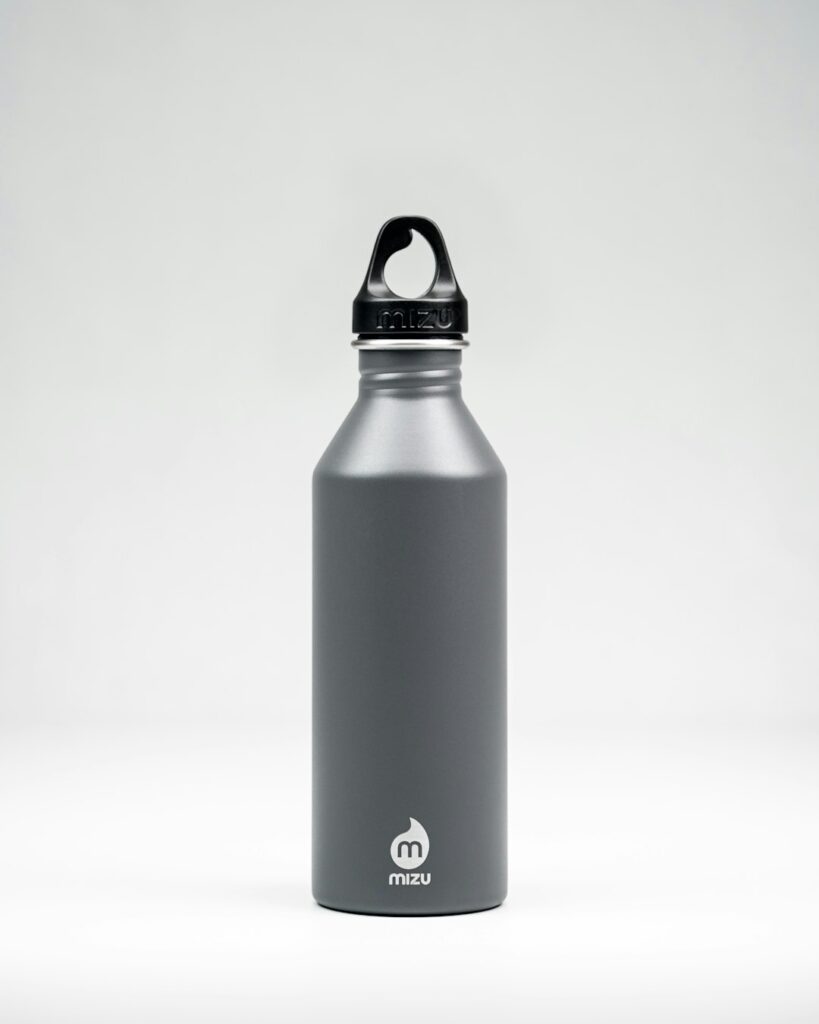
In many industries, accurate liquid measurement is not just a preference—it’s a necessity. From chemical handling to food processing, the tools used to measure, transfer, and store liquids must be as efficient as they are precise. Among these tools, the tip n pour measuring bottle stands out as a practical solution designed to improve workflow, reduce waste, and enhance safety. Its unique design combines measurement and dispensing in one container, streamlining operations across a range of professional and industrial settings. The tip n pour bottle is ingeniously simple. It typically features a dual-chamber design, where one chamber holds the bulk liquid and the other functions as a built-in measuring compartment. By gently tipping the bottle, the user can transfer a controlled amount of liquid into the measuring chamber. Once the desired amount is visible through the graduated markings, the liquid can be poured out without needing a separate measuring cup. This eliminates the need for multiple containers and reduces the risk of spills or inaccurate measurements. This efficiency is particularly valuable in environments where precision is critical. In laboratories, for example, even a small error in liquid measurement can compromise an entire experiment. In agricultural applications, the correct dosage of fertilizers or pesticides must be maintained to ensure safety and effectiveness. The design of the tip n pour measuring bottle supports these needs by minimizing user error and improving consistency over time. Moreover, these bottles are often made from durable, chemical-resistant plastics that can withstand a variety of substances, from corrosive cleaners to thick oils. This versatility makes them an indispensable tool for manufacturers, maintenance crews, and anyone dealing with a range of liquid materials. They are also designed for ease of use, with ergonomic shapes and secure caps that help prevent leaks and evaporation. Another significant advantage of this type of bottle is its role in promoting workplace safety. By reducing the need to handle multiple containers, the tip n pour design helps limit exposure to hazardous substances. Since the measurement is integrated into the container, there’s less chance of spills, which can lead to slips, contamination, or chemical burns. Over time, this can contribute to a safer, more efficient working environment. In addition to safety and accuracy, these measuring bottles also support sustainability efforts. By minimizing spills and reducing the number of disposable measuring tools needed, they help generate less waste. Many are also reusable and recyclable, aligning with broader environmental goals in professional settings. The applications for this type of bottle are broad. In the automotive industry, precise measurements of fluids like brake cleaner, degreaser, or coolant are essential. In cleaning services, concentrated solutions can be accurately diluted to manufacturer specifications. Even in DIY home improvement projects, such a tool can reduce mess and simplify tasks involving paints or solvents. As industries continue to look for ways to maximize efficiency and reduce operational costs, solutions like the tip n pour measuring bottle offer a smart, cost-effective approach. Whether it’s reducing labor time, improving measurement accuracy, or enhancing on-site safety, its benefits are tangible across a wide range of uses. For those seeking more information on custom solutions or specialized tools for liquid handling, visiting a site that specializes in industrial containers and accessories can be helpful. One such resource is this provider of custom product solutions, which offers a broad selection of equipment designed to meet specific industry requirements. In conclusion, the tip n pour measuring bottle is more than just a container—it’s a tool that supports precision, safety, and environmental responsibility. Its thoughtful design and practical applications make it an essential part of many operational toolkits, from professional laboratories to industrial floors.
Schwimmkappen für Training und Wettkampf

Schwimmkappen sind ein unverzichtbares Zubehör für Schwimmerinnen und Schwimmer aller Leistungsstufen. Ob im Freizeitbereich, beim regelmäßigen Training oder im Wettkampfsport, die passende Schwimmkappe kann sowohl die Leistung verbessern als auch den Komfort im Wasser erhöhen. Dabei erfüllen sie nicht nur funktionale, sondern auch hygienische und ästhetische Aufgaben. Eine der Hauptfunktionen von Schwimmkappen ist die Reduzierung des Wasserwiderstands. Durch das Bedecken der Haare sorgt die Kappe für eine glattere Silhouette im Wasser, was die Gleitfähigkeit verbessert. Besonders im Wettkampfsport kann dieser Vorteil entscheidend sein. Selbst kleine Zeiteinsparungen durch weniger Widerstand können zwischen Sieg und Niederlage entscheiden. Auch im Training profitieren Schwimmerinnen und Schwimmer von diesem Effekt, da eine effizientere Wasserlage hilft, die Technik zu verfeinern. Neben der hydrodynamischen Wirkung schützen Schwimmkappen das Haar vor Chlor und anderen Chemikalien im Wasser. Gerade in öffentlichen Schwimmbädern ist das Wasser oft stark gechlort, was langfristig zu trockenen und brüchigen Haaren führen kann. Eine eng anliegende Kappe bildet eine Barriere und reduziert den direkten Kontakt mit dem Wasser. Dabei ist zu beachten, dass keine Schwimmkappe vollkommen wasserdicht ist, aber dennoch einen spürbaren Schutz bieten kann. Auch aus hygienischer Sicht sind Schwimmkappen sinnvoll. Sie verhindern, dass Haare ins Wasser gelangen, was die Wasserqualität verbessert und die Filteranlagen der Schwimmbäder entlastet. In vielen öffentlichen Einrichtungen ist das Tragen einer Schwimmkappe deshalb sogar verpflichtend. Für Schwimmerinnen und Schwimmer mit langen Haaren bietet die Kappe außerdem eine praktische Möglichkeit, die Haare zu bändigen und die Sicht im Wasser nicht zu behindern. Die Auswahl an Schwimmkappen ist groß und reicht von einfachen Modellen aus Latex bis hin zu hochwertigen Silikonvarianten. Während Latexkappen günstiger und flexibler sind, zeichnen sich Silikonkappen durch ihre Haltbarkeit und den höheren Tragekomfort aus. Für Kinder oder empfindliche Kopfhaut gibt es spezielle Modelle mit extra weichem Material. Auch thermoisolierende Kappen für das Schwimmen in offenen Gewässern sind erhältlich. Mehr Informationen zu verschiedenen Modellen finden Sie unter Schwimmkappen. Ein weiterer Aspekt ist das Design. Schwimmkappen sind heute weit mehr als nur funktionale Ausrüstung; sie bieten auch eine Möglichkeit zur Individualisierung. Ob in Vereinsfarben, mit kreativen Mustern oder personalisierten Aufdrucken – die Gestaltungsmöglichkeiten sind vielfältig. Besonders bei Wettkämpfen oder im Mannschaftstraining kann eine einheitliche Optik das Gemeinschaftsgefühl stärken und die Wiedererkennbarkeit erhöhen. Wer sich für individuell bedruckte Kappen interessiert, findet passende Angebote und weiterführende Informationen über individuell gestaltbare Schwimmausrüstung. Auch im Breitensport und bei Fitnessschwimmern erfreuen sich Schwimmkappen zunehmender Beliebtheit. Viele Erwachsene entdecken das Schwimmen als gelenkschonende Sportart für sich und legen Wert auf eine funktionale wie auch ästhetische Ausrüstung. Eine gut sitzende Schwimmkappe kann hier den Unterschied machen, da sie das Schwimmerlebnis angenehmer gestaltet und gleichzeitig für einen professionellen Eindruck sorgt. Letztlich hängt die Wahl der richtigen Schwimmkappe von verschiedenen Faktoren ab: dem Einsatzbereich, dem persönlichen Komfortempfinden und natürlich dem individuellen Geschmack. Wer regelmäßig schwimmt, sollte mehrere Modelle ausprobieren, um die für sich passende Variante zu finden. Dabei lohnt es sich, auf Qualität und Passform zu achten, um langfristig Freude an der Schwimmausrüstung zu haben.