
Ecommerce Management Agency as Your Digital Quartermaster

In the rapidly evolving world of online retail, the logistics behind a thriving ecommerce business can resemble the careful planning and supply management of a military campaign. That’s where the role of an ecommerce management agency comes into play. These agencies serve as digital quartermasters, orchestrating every vital operation behind the scenes so that brands can focus on strategy, innovation, and customer engagement. An ecommerce business, especially one attempting to scale, requires more than just a sleek website and catchy product descriptions. It demands a comprehensive infrastructure that includes inventory oversight, customer service, platform integration, marketing optimization, and data analytics. Without dedicated management, brands risk falling behind in a crowded marketplace. This is where working with an experienced ecommerce management agency can make a defining difference. These agencies do more than just relieve operational burdens. They act as strategic partners who understand the nuances of ecommerce platforms, from Shopify to Amazon to proprietary systems. Their teams often consist of specialists in logistics, digital marketing, user experience, and data science, all working in concert to streamline operations and maximize ROI. A strong agency will not only manage your day-to-day needs but also help future-proof your business by staying ahead of algorithm changes, consumer behavior trends, and technological advancements. For example, managing inventory across multiple channels can quickly become a nightmare for businesses lacking a centralized system. An agency can implement tools that sync stock levels in real time, preventing overselling and ensuring faster fulfillment. Similarly, customer service can be elevated through outsourced support teams that respond using brand-specific language and protocols, maintaining a seamless customer experience. Website performance and conversion rates are also critical metrics in ecommerce. Management agencies often deploy optimization strategies such as A/B testing, improved checkout processes, and personalized recommendations to increase sales. Their insights are driven by data, which allows them to pivot quickly if a campaign underperforms or if a new opportunity arises. Marketing is another pillar where agencies bring considerable value. From email campaigns and influencer partnerships to paid ad strategy and SEO, they create cohesive marketing ecosystems that drive traffic and convert leads. For many growing brands, having an external team with proven experience can result in faster, more cost-effective growth than building an in-house department. Choosing the right agency depends on your business model, goals, and budget. Some agencies specialize in niche markets or specific platforms, while others offer full-service solutions. The most successful partnerships are rooted in transparent communication, shared goals, and a clear understanding of deliverables. It’s not just about outsourcing tasks; it’s about building a working relationship that scales with your brand. When evaluating potential partners, look for case studies, client testimonials, and a demonstrated track record of success. Agencies that invest in understanding your brand’s voice, values, and customer base tend to deliver better long-term results. Also, be clear about the metrics that matter to you—whether it’s customer acquisition cost, lifetime value, or average order value—and ensure the agency can help you measure and improve them. For brands aiming to expand their digital footprint, working with a trusted ecommerce growth partner offers the structure and support needed to thrive. With a skilled team managing the complexities of your online operations, you free up bandwidth to focus on product development, brand storytelling, and customer relationships—areas that truly differentiate your business. In a landscape where the only constant is change, having a reliable ecommerce management agency by your side can be the difference between treading water and charting a course toward sustained growth. The right agency doesn’t just keep the engine running; it helps you navigate, adapt, and accelerate in a competitive digital economy.
Custom Military Power Supply Solutions
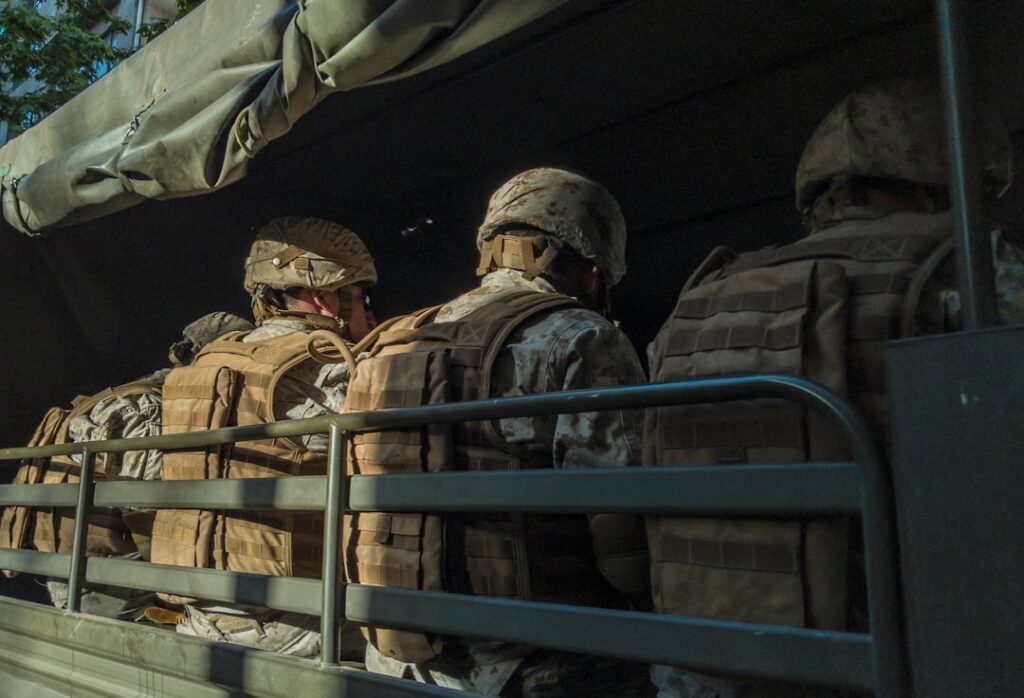
Custom military power supplies are critical components in modern defense systems, where reliability, durability, and performance under extreme conditions are non-negotiable. These specialized power solutions are designed to meet stringent military standards and support a wide range of mission-critical applications, from communication systems and radar equipment to unmanned aerial vehicles and mobile command centers. Unlike commercial power supplies, custom military versions are engineered to withstand harsh environmental factors including vibration, shock, humidity, and extreme temperatures. They are often required to operate flawlessly in remote locations or during combat conditions, where failure could compromise operational success. The power requirements of military equipment are also highly specific, necessitating tailored voltage ranges, current outputs, and power management features. One of the main advantages of custom military power supplies is their ability to be precisely configured for unique platforms. Whether integrated into land-based vehicles, naval systems, or airborne equipment, these supplies must conform to the specific space constraints, cooling requirements, and electromagnetic compatibility of each deployment. This level of customization ensures optimal performance and energy efficiency, which are essential for modern military operations. Design and manufacturing processes for these power supplies are guided by strict compliance with military standards such as MIL-STD-810 for environmental conditions and MIL-STD-461 for electromagnetic interference. Meeting these standards requires in-depth testing and validation to ensure that the power supplies can perform reliably in real-world conditions. As a result, defense contractors and military organizations often partner with specialized manufacturers who have extensive experience and a proven track record in this niche field. Another key consideration is the longevity and lifecycle support of custom military power supplies. Military projects often span decades, requiring components that are not only robust but also maintainable and upgradable over time. Engineers must design with obsolescence in mind, ensuring that the power systems can be supported with replacement parts and technical updates well into the future. Applications for these power supplies are vast. For instance, in avionics, power supplies must meet high-altitude performance standards and handle rapid pressure changes. In naval environments, they must resist saltwater corrosion and function in high-vibration conditions. Ground systems, such as radar stations or mobile command units, require power supplies that can adapt to fluctuating energy demands and support uninterrupted operation. Given the complexity and variability of military projects, sourcing the right power solution often involves working with vendors who offer a wide range of custom military power supplies. These providers not only offer off-the-shelf solutions that can be further customized but also work closely with engineers to develop entirely new designs tailored to specific requirements. Their expertise ensures that the final product aligns with both operational goals and regulatory demands. Advancements in materials and power electronics have also led to more compact and efficient designs. Today’s military power supplies can deliver higher power densities, better thermal performance, and improved fault tolerance. These innovations are critical as military platforms become more sophisticated and demand more from their electrical systems. Additionally, integration with digital control systems allows for smarter power management. Features such as remote monitoring, self-diagnostics, and programmable outputs enable greater control and responsiveness. This is particularly valuable in dynamic environments where real-time adaptability can enhance mission effectiveness. Long-term reliability is another cornerstone of military-grade power supply design. Every component, from the capacitors to the enclosures, must be selected for durability and tested under simulated field conditions. This ensures that once deployed, the equipment will continue to function optimally with minimal maintenance. For those in search of tailored power solutions, it is essential to work with companies that understand the unique demands of defense applications. These firms bring not only technical proficiency but also a deep understanding of the regulatory landscape and the importance of mission assurance. More information about these specialized capabilities can be found on military power system design resources. As defense technology continues to evolve, the role of custom military power supplies will only grow in importance. High-performance, adaptable, and reliable power sources are fundamental to the success of modern military operations, ensuring that equipment performs as intended, regardless of the environment or mission.