Transform Your Design Vision

Picture yourself on the bare ground where you want your building to stand. You have a clear idea, but turning that into a finished structure means thorough planning and detailed drawings. Architectural construction documents are what take you from concept to actual build. They lay out every detail, structural supports, electrical wiring, plumbing routes, all in clear, measurable terms. Without these papers, building anything feels like wandering blindfolded through a confusing maze. Well-crafted construction documents include floor plans, elevations, cross-sections, and fine details. These are the instructions for builders and contractors to follow precisely. Say you’re designing a commercial property; these documents won’t just show the look but also how it will work. They specify which walls carry weight, where pipes run, and what materials to use. This prevents misunderstandings that often cause delays or added costs. In fast-growing cities like Phoenix, detailed architectural documents are more than helpful, they’re necessary. Business owners expanding or constructing new facilities must deal with local zoning rules and building codes. Here, professionals provide critical help with city and county permit submissions and ensure your project meets all regulations. Without their input, projects can stall or face costly revisions. Construction documents rarely remain fixed once work begins. Changes happen: client requests, site conditions, or unexpected challenges. For example, if soil tests reveal unstable ground requiring different foundations, those changes must be promptly reflected in the plans. Timely updates keep contractors informed and avoid expensive rework or construction halts. Digital tools like architectural 3D modeling add a valuable dimension to traditional plans. A virtual walkthrough lets you experience the space before any dirt moves. This helps refine designs and makes explaining your vision easier for investors or partners who don’t read blueprints well. Seeing a realistic model cuts down on misinterpretations and last-minute changes. Value engineering is another key service in architectural planning. It’s about balancing cost against quality, identifying where expenses can be trimmed without compromising safety or style. Early analysis of design elements, like choosing alternative materials or simplified structural systems, can save money without hurting the final outcome. This practical approach keeps projects financially viable. Working with an experienced architectural team is vital throughout the process. From first sketches through final inspections, their knowledge ensures no detail is overlooked, from coordinating trades to scheduling inspections on time. They produce the necessary and guide you through permit applications and revisions. Regular site visits by architects help catch issues early, reducing surprises during construction. One common hiccup is miscommunication about minor details, such as window sizes or door swings, which can lead to costly onsite corrections. A habit of double-checking these specs during team meetings helps prevent these problems. Also, keeping a shared project log where all change requests and approvals are recorded creates accountability and clarity. Investing effort into precise, up-to-date construction documents sets your project up for success. Whether it’s a home or a commercial building, knowing the importance of detailed plans and having solid support from start to finish means fewer headaches and smoother builds. With expert help at each phase, from soil reports to final permits, you can turn your design ideas into reality efficiently and confidently through architectural drafting services Phoenix.
Discovering Butcher Shops in McLean, VA
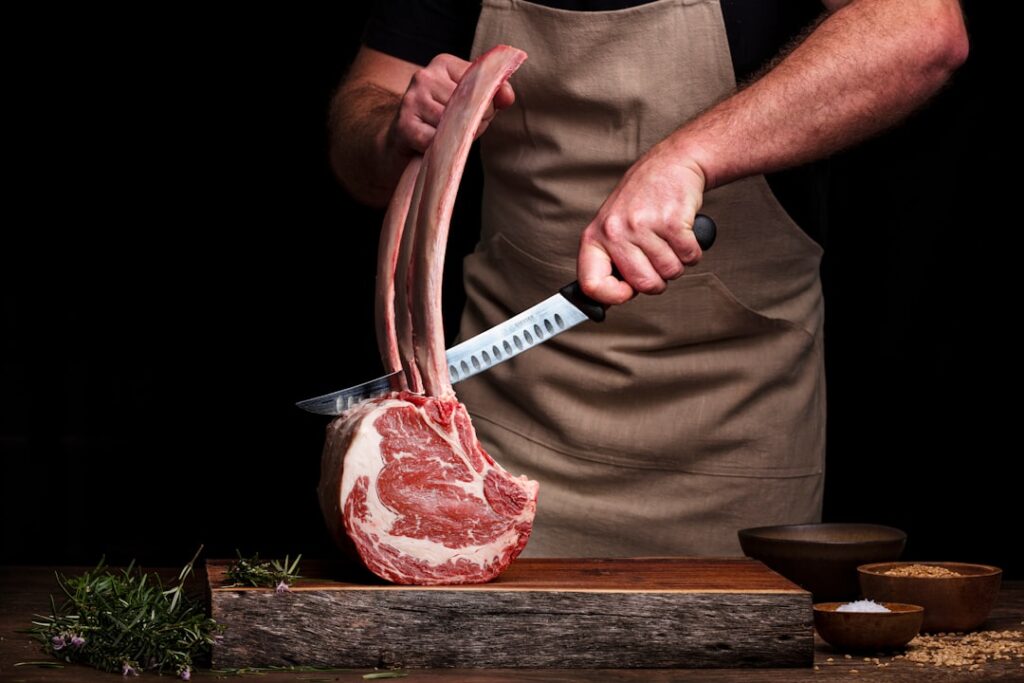
You open your fridge, hoping to find quality meat for dinner, but the choices look dull and uninspired. If you live in McLean, Virginia, there’s a way to upgrade your meals without endless trips to big supermarkets. Local butcher shops offer fresh cuts of meat and seafood sourced from farms and fisheries known for their ethical and sustainable practices. These shops aren’t just about selling meat; they provide expertise that can elevate your cooking. A good butcher knows their products inside and out. If you’re planning to grill some steaks, they won’t just hand you any cut. Instead, they’ll ask about your cooking method and flavor preferences. For a tender, juicy steak, ribeye is a classic choice thanks to its fat marbling, while flank steak offers a more intense beef taste but requires careful cooking. If you’re unsure how to prepare them, a butcher can share tips on seasoning and resting times so you don’t end up with tough or dry meat. What sets many McLean butchers apart is their focus on sustainability. They often work directly with local farms that prioritize humane animal treatment and environmentally friendly farming methods. You might find that some shops can tell you exactly where your meat came from because they maintain close ties with the ranchers. This traceability offers a layer of accountability that’s missing from most grocery store meat aisles. Seafood is another category these butchers handle well. Fresh fish can be intimidating if you don’t know what to look for, but skilled butchers can explain the difference between wild-caught and farmed fish, including considerations about flavor and ecological impact. Seasonal varieties often surface in these shops, giving you a chance to try something new and impress guests without relying on frozen options. If you want to find a butcher shop near you in McLean quickly, use the store locator tool at butcher mclean virginia. This saves you time driving around and lets you compare what each shop offers before heading out. You might notice some specialize in organic beef, while others offer homemade sausages or marinated meats ready to cook. Speaking of specialty products, these local butchers often carry items designed for busy households. Ready-to-cook meals, seasoned roasts, or unique sausage blends can help you pull together a dinner without sacrificing quality. It’s common to see customers asking for advice on reheating or storing these items, something an experienced butcher can guide you through to avoid wasted food. A practical tip: always communicate clearly with your butcher about how you plan to cook the meat. Misunderstandings happen if you say “steak” without specifying cut or thickness. Also, if you’re preparing something like stew or slow-cooked dishes, the butcher can recommend less expensive cuts that become tender over time, saving money without compromising taste. Visiting a local butcher in McLean not only improves your meals but supports businesses dedicated to responsible sourcing. Next time you plan a meal, stop by one of these shops and ask questions. You’ll likely walk away with better meat and useful cooking advice that changes how you approach your kitchen. For more details on local offerings and options in McLean, check out seasonal meat and seafood choices.
How to Choose Kayak Fishing Accessories

Picture a calm morning on the water, perfect for kayak fishing. You’ve paddled out and hooked a decent fish, but without the right gear, your day can quickly become frustrating. Forgetting a reliable fish stringer or a sturdy gaff hook often means losing your catch or wasting time trying to secure it. Investing in quality kayak fishing accessories transforms your trip from a struggle into a smooth, productive outing. For instance, using a flimsy stringer can cause a big fish to slip away just when you think you’ve landed it. An ultra-duty fish stringer with a square handle sits firmly in your hand and keeps your catch secure as you paddle back. This simple upgrade saves hassle and prevents the frustration of lost fish. Bait management often gets overlooked. Slippery lures and bait can be tricky to handle without proper towels. Having bait towels with belt loops clipped to your clothing keeps your hands dry and ready, cutting down on dropped hooks and tangled lines. Experienced anglers swear by keeping these towels handy for quick, mess-free cleanups while staying focused on fishing. Organization inside a kayak is vital since space is limited. Collapsible buckets are a smart addition. A 5-gallon bucket with a lid works great for storing gear or holding your catch, while a smaller 3-gallon bucket is easier to stow when space is tight. These buckets keep the kayak tidy and free up room for other essentials. Safety gear should never be an afterthought. Heavy-duty gaff hooks are essential for landing larger fish without injury or damage. Using one with a protective cover reduces the risk of accidental cuts during handling. This kind of gear is standard for serious anglers who want to work efficiently and safely. Long trips call for extra precautions like rod leashes and lanyards. These prevent your rods from falling overboard if you hit rough patches or sudden waves. It’s a simple habit to clip your rod leash as soon as you’re on the water, avoiding costly losses and interruptions. Investing in quality kayak fishing accessories isn’t just about convenience; it’s about making sure every outing runs smoothly. Using products designed specifically for kayakers helps you tackle challenges head-on and minimizes gear-related headaches. Adding these practical tools improves your efficiency and safety on the water. Tailor your kit to fit your fishing style and needs, and you’ll find that trips become more enjoyable and memorable. Checking your gear before each outing, like testing knots and securing loose items, also prevents avoidable mistakes that turn good days sour. For advice on assembling your setup, visit kayak fishing tips. Practical advice like this helps keep you prepared and focused on what matters: catching fish.