Insulation Companies: A Practical Guide
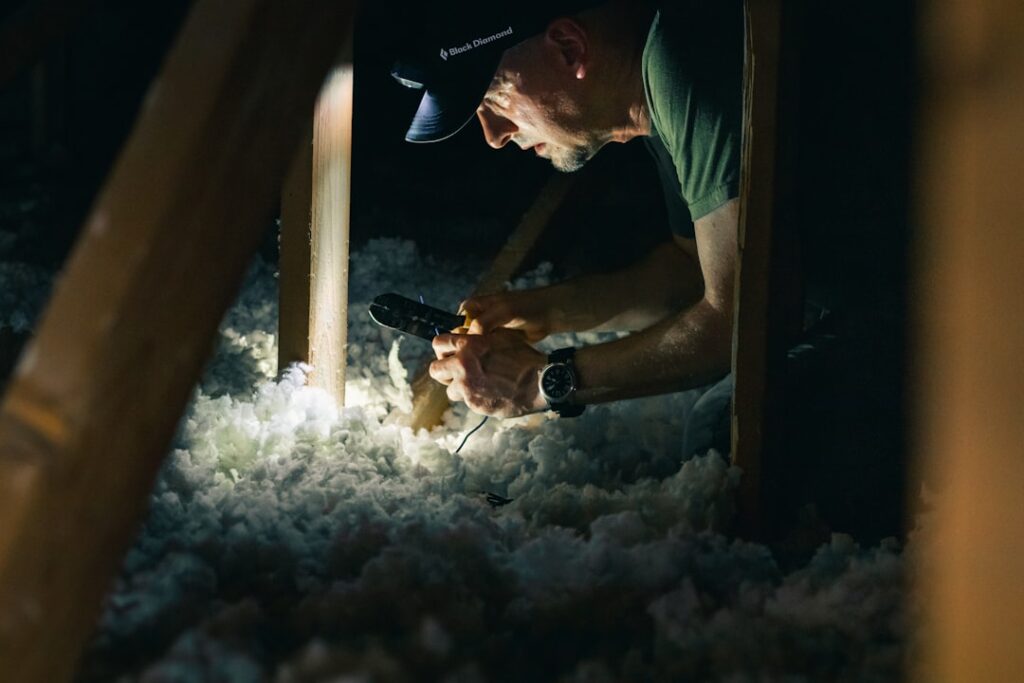
A café owner in a busy city noticed customers frequently complained about cold drafts despite the inviting atmosphere. The problem not only made patrons uncomfortable but also caused heating bills to soar. At first, the owner ignored the issue, hoping it would fix itself. But as winter neared, the cold spots worsened and fewer people came through the door. Realising that quick fixes weren’t working, they reached out to an insulation company to explore how to improve thermal efficiency in the space. The insulation experts quickly spotted the main problems. The windows were old single panes, letting heat escape easily. Walls lacked proper insulation, which meant the heaters had to work overtime. The owner had tried using space heaters and simply added new curtains, but these cosmetic changes didn’t tackle the real heat loss. The company stressed that superficial fixes like these often end up more expensive in the long run. A thorough inspection revealed that installing double-glazed windows would drastically reduce heat transfer and improve comfort. They also recommended insulating the walls from inside and outside using materials that prevent thermal bridging. This approach not only keeps warmth in but helps avoid moisture buildup, which can cause mould and structural damage. The company advised checking for drafts around doors and vents too, as small gaps can offset insulation efforts. In another case, a retailer operating from a historic building tried sealing gaps with tape and used portable heaters during cold spells. These measures weren’t enough; the store remained drafty and uncomfortable. When an insulation specialist was called in, they suggested underfloor insulation as a practical solution. This method blocks cold air rising from below, especially important where old floorboards have gaps or minimal insulation. Underfloor insulation can also reduce noise coming from the street, a welcome bonus for retail spaces wanting a calm shopping environment. Installation requires careful handling in heritage buildings to preserve original features, so the specialist recommended materials that fit between joists without damaging floorboards. This kind of tailored advice is crucial to avoid costly mistakes and rework later on. Both stories show a familiar pattern: business owners focus on quick or visual fixes instead of addressing core insulation problems. Getting a professional assessment early on can save money and hassle. Insulation companies offer specific recommendations based on building type, whether cavity wall insulation suits a property or solid wall insulation methods are better suited for older structures with thick walls. For businesses aiming to cut energy costs and create comfortable spaces without spoiling aesthetics or overspending upfront, consulting insulation companies can be a smart move. These professionals explain the pros and cons of different materials like mineral wool, rigid foam boards, or spray foam, and help clients understand installation timelines and maintenance needs. Taking action early helps prevent issues like condensation or uneven heating that can lead to repeated complaints or equipment failures. Practical habits such as documenting insulation layers during retrofit projects prevent confusion later when repairs or upgrades are needed. Clear communication between business owners and installers is key to ensuring work matches expectations and complies with building regulations. For those unsure where to start, websites like thermal insulation guidance for small businesses provide straightforward advice tailored to commercial properties. With the right planning and expert help, businesses can keep their premises warm, energy-efficient, and welcoming all year without wasting money on temporary fixes.