
An Introduction to Puppy Play for Beginners

Walking into a room where some people wear dog masks and move on all fours might catch you off guard. This scene is part of a subculture known as puppy play, where participants role-play as dogs. It’s about adopting canine behaviors like barking, tail wagging, and playful energy. This role-play offers a way to explore identity and desires beyond everyday norms. People use puppy play to step outside typical adult roles and connect with a simpler, more spontaneous mindset. There’s a common assumption that puppy play is always sexual. That’s not the case. While some include erotic elements, many treat it as non-sexual fun or companionship. For some, it’s a break from stress, a chance to enjoy unstructured play without the pressure of adult responsibilities. Participants often experience a sense of freedom by immersing themselves in this playful state. The roles within puppy play vary widely. Some like being the ‘puppy,’ fully embracing submission and playful behavior. Others prefer the ‘handler’ role, guiding and caring for the ‘puppy’ much like a pet owner would. This relationship depends heavily on trust and clear communication. Consent is always front and center, no assumptions are made without explicit agreement. Equipment is more than costume; it helps create the experience. Collars and leashes are basic tools, but many go further with padded suits, tails, or even muzzles to deepen the canine persona. Toys, food bowls, and chew items add realism and interaction during sessions. These props aren’t just for show, they help participants mentally shift into their roles and enrich the dynamic. If you’re new to puppy play, starting simple works best. Wearing a collar or a bandana can ease you into the scene without feeling overwhelming. Local meetups or online communities provide spaces to ask questions and observe before diving in. Forums often share advice on safety, etiquette, and how to handle common misunderstandings, which helps prevent awkward moments during play. One practical tip from experienced players: always clarify boundaries before any session begins. Miscommunication can happen easily when people interpret cues differently. Checking in regularly during play prevents discomfort or accidental crossing of limits. Keeping a safe word or signal ready is standard practice and part of respecting each other’s limits. For deeper research, plenty of resources exist online. Websites focusing on sexual exploration often include sections on puppy play. For example, puppy play fetish sites provide insights on both emotional and physical components of the practice. These sources can answer common questions, clear up misconceptions, and offer practical advice for newcomers. Puppy play isn’t just about fantasy; it’s a form of expression that lets people break free from daily routines and societal expectations. Whether it’s the playful energy or the psychological release that appeals, understanding its nuances can improve your experience within the community. For additional information about related kink topics, you might visit kink lifestyle resources online to expand your perspective.
MSK Physio in Eastern Suburbs
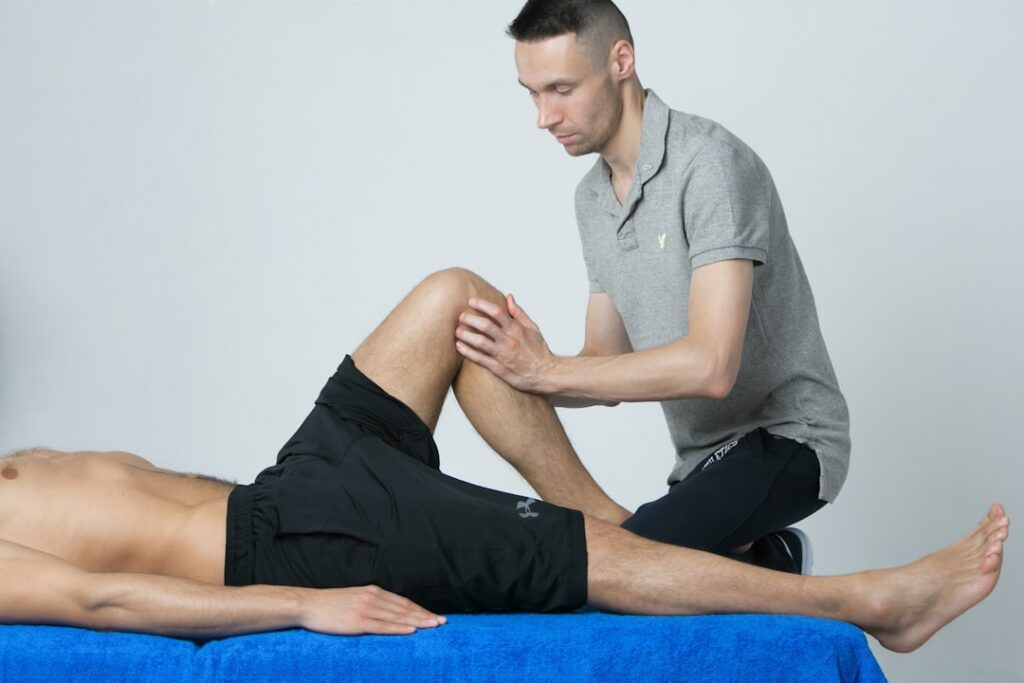
Waking up with persistent back pain can turn everyday tasks into struggles. If you’re dealing with this or recovering from an injury, physiotherapy might be what you need. In the Eastern Suburbs, there are plenty of clinics, but picking the right one affects how well you recover. Physiotherapy covers treatments that improve movement and ease pain. Techniques like manual therapy, tailored exercises, and teaching how to move properly are standard. For instance, if you twisted your ankle running, a physiotherapist will design specific exercises to heal it correctly and reduce the risk of reinjury. One benefit of seeing a skilled physio is a treatment plan made just for you. They assess your condition thoroughly, sometimes asking you to demonstrate movements or describe pain patterns, to figure out what suits your body and lifestyle best. Someone bouncing back from knee surgery might focus on strength-building exercises, while another with long-term lower back pain could get stretching routines to ease tension. They adjust these plans regularly based on progress, not just on a set schedule. Education is a big part of physiotherapy. Patients often leave with new knowledge on how to manage their conditions alone. For example, learning the right way to lift heavy boxes can prevent back injuries at work or home. It’s common for people to misunderstand their pain or avoid activity out of fear, which slows recovery. Physios help break these habits by explaining what’s safe and effective. Commitment matters in physiotherapy. You’ll need to attend sessions regularly and stick with home exercises. Skipping appointments or neglecting exercises can stall progress, even if you feel better temporarily. Many clients find keeping a simple log of exercises helps maintain consistency and lets their therapist see what’s working or needs tweaking. If you’re unsure about physiotherapy, consider that it’s not only for injury recovery but also for boosting overall fitness and athletic performance. Athletes often rely on physiotherapists to prevent injuries by improving flexibility and strength tailored to their sport’s demands. A runner, for example, might work on hip stability to avoid common issues like IT band syndrome. For those weighing options in the Eastern Suburbs, visiting a local can be a smart move. Clinics here often offer initial assessments that include posture analysis and functional movement screening, tools that help pinpoint problem areas before they worsen. Regular physiotherapy appointments can support long-term health beyond immediate injury care. Whether dealing with persistent pain or aiming to improve physical function, working with a physio who understands your specific needs pays off. Start by exploring local services that match your schedule and goals, such as physical therapy for musculoskeletal issues.