
Essential Dryer Tech Sheet for Efficiency
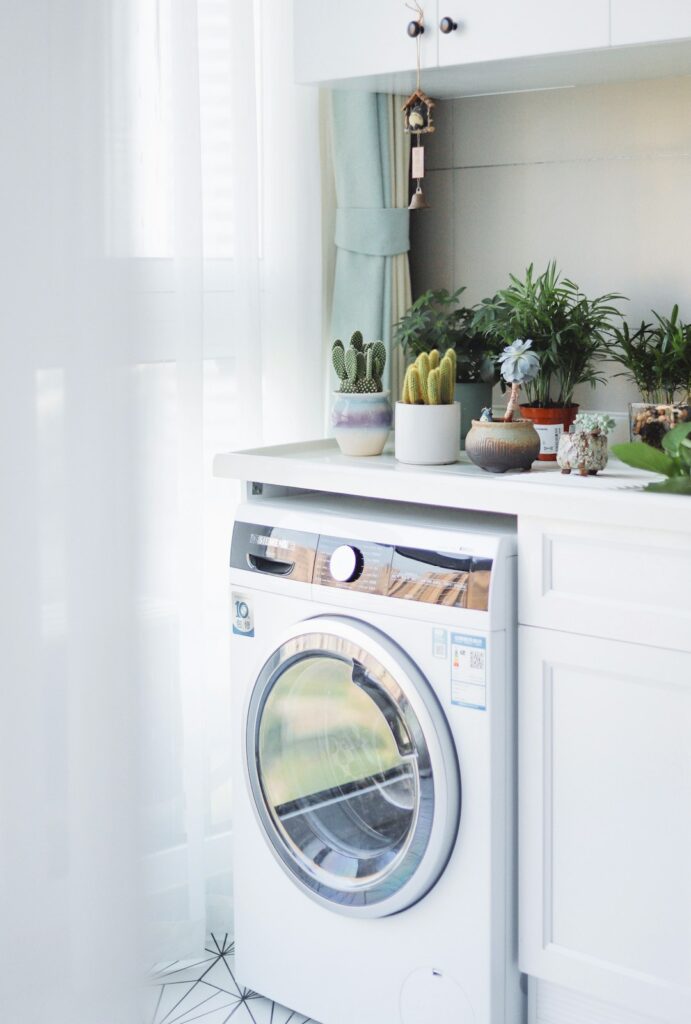
Walking into a laundry room only to find several dryers dead in the water can kill your day. Frustrated customers pile up and money walks out the door. That’s why understanding the nuts and bolts of your dryers isn’t optional if you run a laundry business. Having a detailed, easy-to-use tech sheet on hand will save you headaches. It should cover specs, common fixes, maintenance schedules, and safety tips all in one place. Not all dryers are created equal. You’ve got vented models that blow moist air outside through a duct. Then there are condenser dryers, which collect water inside a tank you need to empty regularly. Heat pump dryers recycle the hot air inside, making them more energy-efficient but usually pricier upfront. Knowing these differences helps you pick the right machine for your workload and space. Energy usage is a big deal. Heat pump dryers tend to sip electricity compared to others because they reuse heat instead of constantly generating it. That can shave a noticeable chunk off your power bills over time. Your tech sheet should list energy ratings clearly so owners can weigh short-term costs against long-term savings. Maintenance often gets overlooked until something breaks. Lint buildup is the silent enemy here , it slows down drying and can spark fires if ignored. Your tech sheet must spell out how often to clean lint filters and check ducts. A dryer taking longer than usual? That’s often a clogged vent begging for attention. Ignoring these signs only leads to costly repairs. Modern dryers flash error codes when something’s off. These codes can point to overheating, sensor failures, or door latch issues. A well-crafted tech sheet breaks down these codes so staff don’t have to guess what’s wrong or waste time calling for help. Quick diagnosis keeps machines running longer and cuts downtime. For those digging deeper into specs or step-by-step fixes, a resource like a dryer tech sheet is a lifesaver. These documents are more than manuals; they’re communication tools that get everyone on the same page about how machines work and what they need to keep running. Lint traps deserve extra attention. Some operators get sloppy about cleaning because it feels like a chore, but skipping this step is a recipe for disaster. Regularly removing lint not only keeps drying times consistent but also reduces fire risk significantly. Plus, checking door seals for wear and tear prevents heat loss and uneven drying. Knowing when to replace parts matters too. Heating elements wear out, vents get crushed or crushed ducts restrict airflow, and sensors fail after years of use. Your tech sheet should recommend inspection intervals and signs of wear, like unusual noises or inconsistent drying cycles. Having spare parts ready avoids waiting on orders that slow your business down. If you want to expand your knowledge on proper upkeep and quick fixes, visit dryer maintenance tips. Understanding these practical details helps keep your equipment reliable and cuts emergency repair calls.
Thrift Store Donations Made Easy

Clearing out your closet or garage can quickly turn into a mountain of stuff. Clothes, furniture, appliances, you want to give these away, but the process feels confusing. It doesn’t have to be that way. Knowing what thrift stores accept and how to donate efficiently can save time and headaches. For example, most thrift shops won’t take items with stains, tears, or missing parts. Checking their donation guidelines online or calling ahead avoids wasted trips. A common mix-up is assuming all used goods are welcome, which often leads to rejected donations and frustration. People often wait until they have a big pile before donating, but that can stall progress. Instead, donate in small batches every few weeks. This habit keeps clutter under control and ensures charities get a steady flow of goods. It also means less sorting and packing at once. Keep a box or bag ready for donations; when it’s full, drop it off. Regular giving is easier and more effective than waiting for a massive clear-out. Moving large items like sofas or refrigerators can seem impossible without the right vehicle. Many thrift stores offer free pickup services for bulky donations. This service eliminates the need to rent a truck or borrow a friend’s van. Scheduling a pickup usually requires a quick phone call or online booking. Confirm that the item is in good condition and ready to go before the pickup day to avoid delays. This option makes donating heavy or awkward items manageable for anyone. Locating where to drop off donations can be tricky if you’re new to the area or unfamiliar with local resources. Online maps and websites dedicated to charity drop-off points simplify this task. Some cities have centralized donation centers or bins in convenient spots like shopping centers or community halls. Look for clear signs and hours of operation before heading out. Bringing donations during off-peak hours often means less waiting and quicker service. Your donations aren’t just clearing space, they directly support local causes and people in need. Clothing, household goods, and furniture sold by thrift stores generate funds for community programs and provide affordable options for families struggling financially. Donating gives your items a second life instead of ending up in landfills. For those wanting to deepen their involvement, resources like thrift store donations offer guidance on how to contribute beyond just dropping off items. Every item matters. Even small donations add up when combined with others from your neighborhood. Labeling boxes with contents helps donation centers sort faster and reduces errors. Washing clothes and wiping down furniture before donating also increases the chances those items will be sold quickly, benefiting the charity sooner. If you keep receipts from your donations, you might qualify for tax deductions, check local rules to be sure. In Nashville and nearby communities, there are plenty of ways to donate that fit different lifestyles. Some prefer participating in scheduled clothing drives, while others opt for furniture pick-ups arranged through local nonprofits. You can find options that match your availability and preferences by visiting local donation options near you. Giving back clears out your space and builds stronger community ties, showing solidarity with neighbors who need support.