
Practical Palm Beach Wedding Planning

Picture yourself on a bright Palm Beach shore, the ocean quietly rolling in as you prepare to exchange vows. Without careful planning, this scene can quickly become overwhelming. Weddings here involve juggling a lot, venue selection, vendor coordination, timing, and guest management, among other things. A seasoned wedding planner can take over these responsibilities, shaping your day according to your wishes while handling the unexpected challenges that often arise. Your wedding should reflect who you are: natural, meaningful, memorable. A planner helps craft that experience by understanding your style and priorities. For a low-key ceremony with close family, they might suggest a tucked-away garden or quiet beach spot that’s easy to decorate and intimate. If you want a big party, they’ll know venues with enough space to keep everyone comfortable but still connected. They’ll also know which places have reliable parking or nearby accommodations, details most couples overlook until it’s too late. Budgeting is tricky because costs add up fast and some choices have hidden expenses. Planners provide practical advice on where to invest and where to cut back without losing impact. For example, investing in quality lighting can transform a simple venue, while cheap floral substitutes often fall flat in photos and in person. They’ll help you track deposits and payment deadlines using spreadsheets or apps, preventing last-minute surprises. Timing is another hurdle. Most couples underestimate how long setup and breakdown take or fail to build buffer times between events. A planner creates a detailed timeline covering everything from vendor arrivals to speeches and first dances. They’ll communicate with caterers, photographers, and entertainers regularly, so no one shows up early or late. This coordination keeps the day moving smoothly and lets you focus on what matters. Vendors make or break the day. A planner brings contacts with proven reliability, caterers who deliver exactly what you ordered, florists who match your color scheme faithfully, photographers who know how to capture candid moments without being intrusive. They also handle contracts and confirm details days before the event, so nothing slips through the cracks. One small but common issue: vendors quoting different times for delivery or setup. The planner resolves these to avoid conflicts. Communication between you and your planner is key. They’ll ask about your story, preferences, and deal breakers in detail, sometimes more than once, to ensure they get it right. Couples often forget to mention little things that matter, like allergies or special family traditions. Scheduling regular check-ins helps keep everyone on the same page and reduces misunderstandings. If you want someone to help bring all these pieces together without stress, consider contacting a palm beach wedding planner. Their experience cuts through the noise and helps prevent common pitfalls, making your day feel effortless. Aside from organizing logistics, many planners offer styling services that lift the entire event’s look. From table layouts and linens to floral designs and lighting choices, they create cohesive aesthetics that photograph well and impress guests. Whether you prefer the relaxed vibe of driftwood accents or sleek modern minimalism, experienced stylists know how to balance elements for maximum effect. For additional resources and ideas on Palm Beach weddings, visit wedding venues and services in palm Beach. It’s often helpful to explore options yourself early on so your planner can tailor recommendations that suit your vision and budget. palm beach wedding planner wedding venues and services in palm
Custom Plastic Pitchers for Precision

In busy kitchens, accuracy matters. A chef aiming to drizzle sauce perfectly often ends up with splashes on the counter instead. It wastes ingredients and means extra cleanup, slowing down service. Using the right pouring tools cuts down on these mistakes. Pitchers with clear measurement marks help chefs pour just the right amount every time. Many kitchens rely on guesswork, which leads to inconsistent dishes and frustrated staff. Precision pouring isn’t just a kitchen concern. Laboratories need exact measurements for experiments too. Researchers using pitchers without visible markings risk spoiling tests by adding too much or too little liquid. It’s common to see someone double-checking measurements with separate tools because their pitcher doesn’t provide reliable guidance. For labs, accuracy and ease of reading are key to consistent results. Accu-Pour pitchers address these problems directly. Their bold, clearly printed measurement lines make it easy to see volumes at a glance. Whether pouring hot broth or chemical solutions, users can trust they’re dispensing the correct quantity. This reduces waste and rework. These pitchers suit a variety of fields, from commercial kitchens to scientific research, helping users pour with confidence. Built tough, these pitchers are made from high-grade plastic designed to handle temperature changes and rough handling. Unlike glass alternatives, they won’t shatter if dropped or knocked over. That’s important in hectic environments where accidents happen. The plastic also resists staining and odors, so liquids don’t affect future batches. Cleaning is straightforward , a quick rinse or dishwasher cycle usually does the job. Ergonomics matter when staff are moving fast. These pitchers feature handles shaped for a secure grip, even when wet or greasy. The balance of the pitcher prevents tipping during pours, reducing spills. In practical terms, this means fewer interrupted tasks and less mess to clean up. Workers appreciate equipment that feels reliable and doesn’t add to their stress. Versatility is another advantage. These pitchers work well for serving beverages at events, measuring ingredients in food production lines, or handling chemicals in labs. Their size range covers small precise volumes to larger quantities without sacrificing control. Some users mark additional custom increments on the pitchers to match specific recipes or protocols. That kind of hands-on adjustment shows how adaptable the design is. Choosing between generic pitchers and specialized ones like Accu-Pour affects day-to-day operations. Chefs and lab technicians who rely on clear, dependable measuring tools avoid costly mistakes caused by inaccurate pours. Over time, this adds up to saved materials and smoother workflow. For those focused on improving liquid handling, custom plastic pitchers offer a practical upgrade. Investing in quality pitchers improves both output and workplace experience. Staff can focus on their work without second-guessing their equipment. Customers benefit from consistent product quality and presentation. Whether running a busy restaurant or conducting sensitive tests in a lab, dependable pitchers are a smart addition to your toolkit. Explore options for tailored pouring tools by visiting precision liquid handling gear.
Custom Flags for Every Occasion
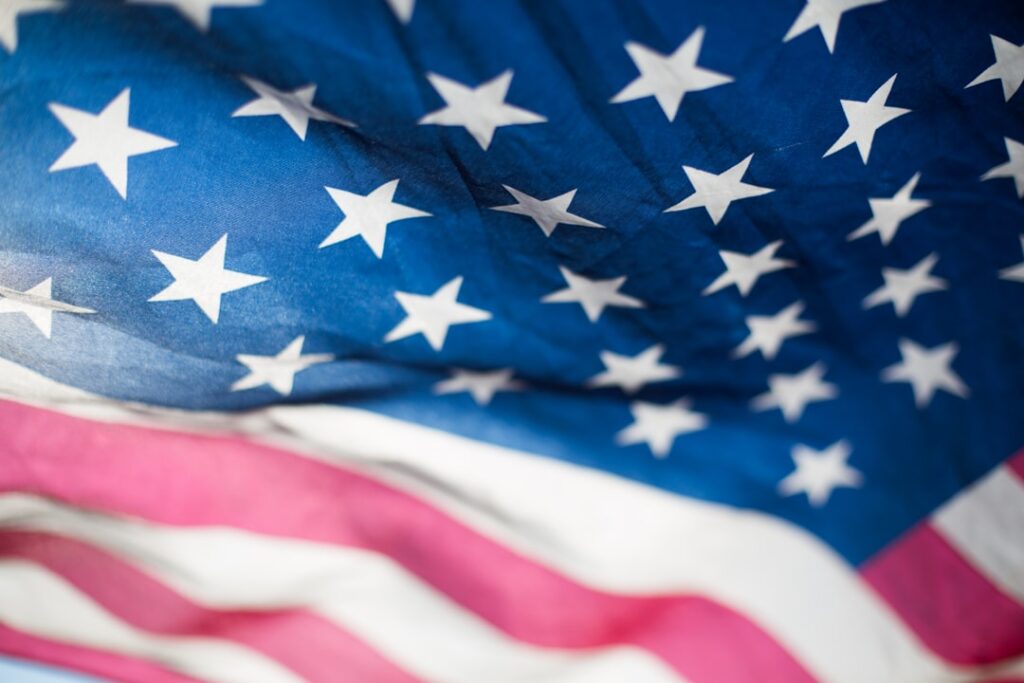
A local business preparing for a community event wants to stand out but struggles with dull marketing materials. Custom flags offer a straightforward fix by providing bold, vibrant visuals tailored to the brand. These flags don’t just promote products; they build identity and make a lasting impression on potential customers. Simple designs often fall flat. For example, a small café might pick a generic coffee cup image instead of highlighting their unique signature drink or pastry. That misses a chance to connect with people on an emotional level. Working with designers who grasp branding nuances can help craft flags that truly represent the business’s character. Understanding the types of flags available is important. Feather flags are a go-to for outdoor setups due to their light weight and quick assembly, yet they catch the eye from a distance. Rectangular flags offer more space for detailed art and work well both indoors and outdoors. Choosing the right style depends on where and how the flag will be used, this decision impacts visibility and overall effectiveness. For instance, at outdoor markets, feather flags fluttering in the wind draw attention from passersby, while indoor trade shows benefit from large rectangular banners that present complex visuals clearly. Material choice matters as much as design. Polyester is tough against sun damage and rain, making it a preferred fabric for outdoor flags. It holds color well, even after multiple uses. On the other hand, lightweight nylon may be better suited for short-term indoor displays where durability is less critical. Considering factors like wind exposure and expected lifespan prevents wasted investment. A common mistake is ordering cheap materials that fade or fray quickly, which sends the wrong message about quality. Size affects impact too. Small flags risk disappearing in crowded settings. Larger flags can dominate a scene and become focal points, guiding visitors or signaling key locations. At music festivals, for example, tall custom flags often serve as landmarks for groups trying to regroup. But bigger isn’t always better, oversized flags may require sturdier stands or more storage space. Finding the right size involves balancing visibility with practical constraints like transport and setup time. Placement is part of the strategy. Flags at storefronts catch foot traffic, while those at trade shows and festivals increase brand exposure among targeted audiences. Positioning them near entrances or busy pathways maximizes impressions. It’s wise to walk the event space beforehand to spot optimal locations and avoid obstructions like trees or signs. Rotating flag positions across different events can also keep the brand fresh and responsive to various crowds. Many businesses turn to companies offering tailored promotional products to get it right. These providers assist in every step, from concept sketches to final production, making sure the flag matches the brand’s tone and messaging. Providing clear feedback early avoids costly reprints later. It’s common for clients to underestimate how colors appear on fabric versus screen, so requesting physical samples helps align expectations before mass orders. Custom flags are more than decoration; they’re practical tools that communicate brand values visibly and memorably. They allow businesses to express personality beyond logos and slogans, creating touchpoints that stick in people’s minds. Investing time in design choices, material quality, and placement pays off by attracting attention and encouraging engagement. For those interested in exploring options, custom flags offer a versatile way to boost marketing efforts. As competition tightens, standing out demands creative approaches. Thoughtfully designed custom flags bring your message into physical spaces where customers can see and respond to it directly. For detailed advice on selecting flag types and materials suited to different settings, flag printing guidance can provide practical support and ideas.
Waterproofing Your Space: A Solid Shield

Imagine being in your basement as rain pounds outside, and you notice damp spots forming on the walls. Water intrusion like this is a persistent problem that can weaken your building’s structure and lead to mold growth if left unchecked. Commercial waterproofing products, such as liquid membranes, provide a practical barrier against moisture, stopping it before it causes damage. These membranes form a coating that sticks tightly to surfaces, blocking water from seeping through cracks or pores. One popular choice is liquid rubber membrane, known for its adaptability across different materials including concrete and wood. It works well not only on basements but also on external foundations exposed to harsh weather. This product can even handle submerged conditions like pools and fountains, which makes it versatile for a variety of waterproofing needs. It’s worth noting that some applications require surface preparation, such as cleaning dirt and loose paint, to ensure the membrane adheres properly. Knowing how much product you’ll need is essential. Most liquid membranes specify coverage on their labels, often detailing how many square feet one pint covers. This helps prevent ordering too little or having leftovers that go to waste. Planning the quantity carefully can save you time and money, especially when tackling multi-room projects or larger commercial spaces. It’s common for DIYers to underestimate coverage, so measuring the area accurately beforehand makes a big difference. Applying these membranes is straightforward with modern formulas. Many come ready to use without mixing, which reduces errors and speeds up the process. You typically roll or brush them onto clean, dry surfaces. A common mistake is applying too thick a layer at once, which can cause uneven drying or peeling later. Applying multiple thin coats with drying time in between produces better results and extends the membrane’s lifespan. Manufacturers often provide comparison charts that break down the features of different membranes. These charts cover aspects such as drying time, elasticity, UV resistance, and durability. Checking these details allows you to match the product’s properties with your project’s demands. For example, if you expect frequent temperature changes or exposure to sunlight, selecting a membrane rated for flexibility and UV tolerance is wise. Detailed guides are frequently available from suppliers to help users get the most out of their waterproofing efforts. These instructions cover surface prep, application steps, and drying schedules tailored to various scenarios. Following them closely can prevent common issues like bubbling or cracking. Additionally, signing up for newsletters from reputable sources keeps you informed about product updates and practical tips. If you hit a snag or need specific advice, customer support teams are usually ready to assist. Whether you’re unsure about surface compatibility or want recommendations for your particular climate, getting expert input can save costly mistakes. Having access to reliable information makes tackling waterproofing projects less daunting and more efficient. For more precise product details or to browse options suitable for your needs, explore commercial waterproofing. You can also find additional resources and tips at . These links lead you to information that can help you prepare thoroughly and apply products correctly, avoiding common pitfalls that cause rework or failures. waterproofing techniques for home projects