Elegant Custom Stained Glass Chandelier

Step into a spacious entryway and let your eyes settle on a custom stained glass chandelier. The vibrant hues catch the light, scattering colors that transform the room. Such chandeliers do more than brighten a space; they set the tone and invite conversation. Yet picking or commissioning the right piece is tricky. The design must harmonize with the room’s scale and style without overpowering it. Business owners often grapple with balancing looks and practicality, sometimes rushing choices that don’t fit their long-term goals. Size matters. A chandelier too large can swallow a modest room, while one too small disappears in a big hall. This mismatch usually comes from misjudging proportions. For example, in a boutique hotel foyer, the fixture should welcome guests with appropriate scale, enhancing rather than distracting from the atmosphere. A good rule is to measure the room’s dimensions and consider ceiling height before selecting or designing a chandelier. The type of glass used affects both appearance and light quality. Not all glass is the same; textures and color saturation vary widely. Handcrafted stained glass often features techniques akin to Murano glass, resulting in surfaces that catch and diffuse light in unique ways. When selecting materials, think about how the glass’s color spectrum and finishes will interact with your room’s palette and lighting needs. Placement height is another key point. The chandelier should hang where it’s visible but not intrusive. A common mistake is suspending it too low, creating a hazard or blocking sightlines. Too high, and its visual impact weakens. In spaces like restaurants or galleries, where foot traffic is constant, finding the correct height ensures safety and preserves style. Taking precise measurements and factoring in furniture placement helps avoid costly adjustments later. Cleaning routines are often overlooked but essential for maintaining these fixtures’ brilliance. Dust buildup dulls colors and reduces illumination. A practical approach involves scheduling regular gentle cleanings with soft cloths and mild solutions suitable for delicate glass and metal parts. Knowing which components are fragile or hard to reach can prevent damage during maintenance. Many properties keep a dedicated maintenance log noting cleaning frequency and methods, preventing neglect. Consulting with artisans or lighting professionals can save headaches. They understand both design aesthetics and technical requirements like energy efficiency and fixture durability. Collaboration reduces risks of ordering mismatched pieces or installing fixtures that don’t meet electrical codes. For inspiration or to explore options, consider this art glass chandelier. It offers a glimpse into styles that work well in diverse settings. Customization adds real value beyond just looks. A chandelier tailored to reflect your brand’s identity can strengthen customer impressions and create memorable experiences. Whether running a fine dining spot or a specialty retail store, an exclusive piece connects your environment with your story. For tailored ideas that fit specific themes or spaces, visit unique lighting designs to explore various possibilities aligned with your vision.
Fidget Toys for ADHD: Practical Choices
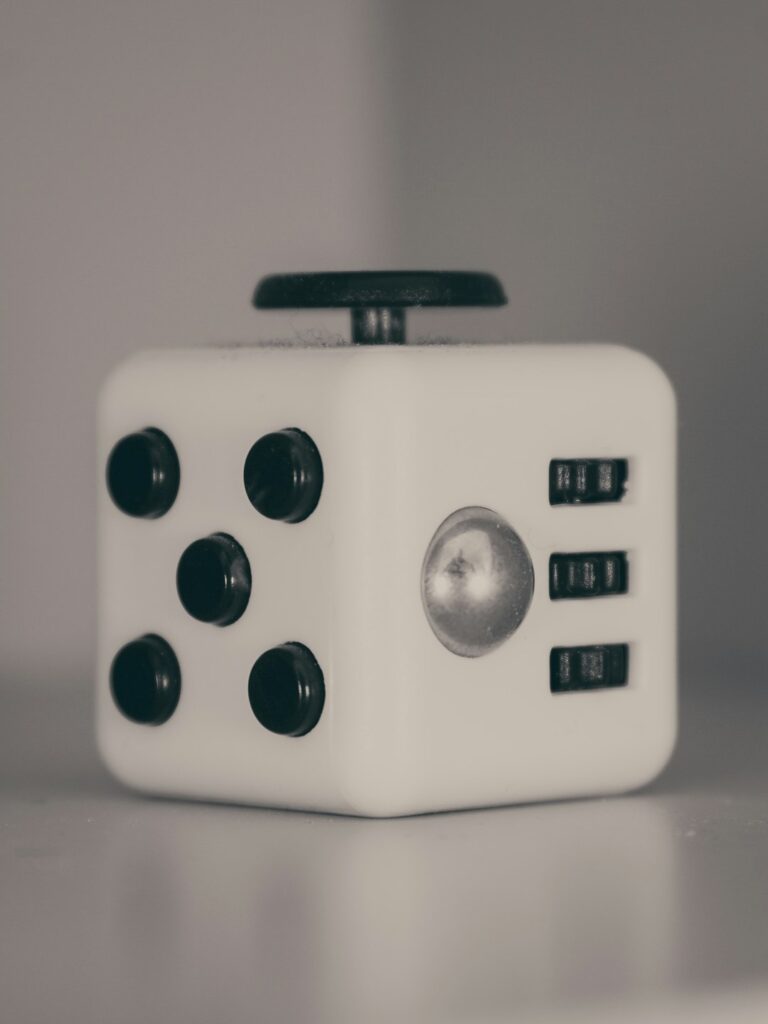
Sitting through a meeting can be tough when your mind refuses to stay put. For those with ADHD, focusing feels like trying to hold water in your hands. Fidget toys offer a straightforward way to manage restlessness and keep attention steady. They let your hands work without pulling your mind away from the task. This small shift can ease frustration and help you stay present, whether in a classroom, office, or therapy session. Fidget toys come in a range of types, each suited to different sensory preferences. Some people respond well to touch, enjoying soft stress balls or textured fabrics. Others might find clicking pens or spinning gadgets helpful because they provide a subtle sound that keeps the brain engaged. Finding the right toy often means trying several options. A tactile toy might keep one person focused, while another needs something that offers gentle noise or movement. Weighted items deserve consideration as well. Weighted blankets and lap pads deliver steady pressure that can calm anxiety and improve concentration. While these aren’t as portable as handheld fidgets, they’re valuable in settings where mobility is less important, like at home or during counseling sessions. The sensation helps some people feel grounded when their thoughts are racing. Chewable fidget tools cater to those who seek oral sensory input. These come in safe, durable shapes designed to withstand biting without damaging teeth or belongings. They’re especially handy in classrooms where chewing on pencils or clothing can cause distractions or social issues. Using a chewable toy can reduce nervous habits and help maintain focus on learning. Puzzles and small games add another layer of engagement. Activities that require hand-eye coordination and problem-solving can channel restless energy into productive mental work. A puzzle forces the brain to concentrate while the hands stay busy, which can reduce impulse-driven behaviors. It’s a way to turn excess energy into cognitive stimulation that benefits overall focus. Personal preference is key when selecting any fidget tool. What works for one person may not work for another, so experimentation is necessary. It’s also worth considering the environment, the noise level, social norms, and space available all affect which tools are appropriate. For example, noisy clickers might be fine at home but distracting in a classroom. Affordability is often a concern, but there are many budget-friendly options that don’t sacrifice quality. Look for simple products made from durable materials that suit your sensory needs. Read user reviews to avoid toys that break easily or cause discomfort. Checking multiple sources before purchasing can save time and money. If you want specific product ideas, check out resources that gather user feedback and expert opinions on the best fidget toys for adhd. These lists often include detailed descriptions and practical advice based on real experiences. The variety of fidget toys continues to grow alongside better understanding of ADHD. From traditional stress balls to sensory tubes and timers, there are many ways to support focus and reduce anxiety. Visit your favourite online sensory store for a selection that fits your unique needs and daily routines: sensory tools for focus support.