
Melasma Treatment Creams to Lighten Skin

Seeing dark patches suddenly appear on your face can be frustrating. Melasma often shows up due to hormonal shifts, sun exposure, or medications, causing uneven skin tone that can affect confidence. Thankfully, there are creams in the UK formulated to reduce melasma and other forms of hyperpigmentation, aiming to even out skin color effectively. Many people find relief by using products designed specifically for this condition, but understanding how they work and how to use them is key. For example, creams with hydroquinone or kojic acid target melanin production, which helps fade dark spots over several weeks. Consistency matters here; skipping applications or neglecting sun protection can slow progress or cause irritation since these ingredients make the skin more sensitive to UV rays. Supplements can complement topical treatments by supporting skin health internally. Glutathione is one such supplement that’s widely used for its antioxidant properties and potential to brighten the complexion. While scientific opinions vary, some users report a reduction in pigmentation when combining glutathione with creams. It’s important to discuss supplement use with a healthcare provider, especially since dosage and purity vary across brands. Combining internal and external treatments often produces better results than relying on one method alone. For those preferring gentler options, natural ingredients like vitamin C and lemon oil offer brightening effects without harsh chemicals. Vitamin C is a powerful antioxidant that helps reduce dark spots and improve skin texture. Lemon oil adds extra lightening properties but should be used carefully because it can cause photosensitivity. Applying these natural products in the evening or alongside sunscreen during the day reduces risk of irritation. People often notice gradual improvements when they stay consistent and avoid over-exfoliating, which can worsen pigmentation. A solid skincare routine is essential when managing melasma. Regular exfoliation removes dead skin cells and allows treatment creams to absorb better, but it should never be aggressive. Over-exfoliating damages the skin barrier and can intensify discoloration. Most dermatologists recommend gentle chemical exfoliants like lactic acid or mild physical scrubs used once or twice a week. Also, broad-spectrum sunscreen must be applied every morning and reapplied during the day, especially if you spend time outdoors. UV exposure is a major trigger for melasma flare-ups, so neglecting sun protection often leads to disappointing results despite treatment. Seeing a dermatologist can make a big difference in treatment success. They can assess your skin type and melasma severity, then recommend creams with the right concentration of active ingredients. Sometimes prescriptions are necessary because over-the-counter options may not be strong enough. A professional will also monitor your progress and adjust your plan if side effects occur or if the condition doesn’t improve as expected. This avoids wasting time and money on ineffective products or routines. Expect patience to be part of the process since melasma doesn’t clear overnight. Visible changes usually take several weeks to months, depending on how severe the pigmentation is and how well you stick to your regimen. Some people mistakenly stop treatment too early, frustrated by slow improvement, which resets progress and prolongs the condition. Keeping a treatment diary or photo log can help track subtle changes and encourage steady adherence. If you want to explore options tailored for melasma in the UK, melasma treatment cream uk offers various products worth checking out. Additionally, support from online communities can provide practical advice from others who have faced similar skin issues. Forums and skincare websites often share personal experiences about what worked and what didn’t, which can help set realistic expectations before investing in new treatments. While managing melasma requires effort, combining targeted creams with supplements and a disciplined skincare routine gives you the best chance of improving your skin tone. Remember that results vary widely based on your unique skin type, lifestyle factors like sun exposure, and how carefully you follow your treatment plan. Staying consistent with your approach and protecting your skin daily will generally yield noticeable benefits over time. For more detailed information and user experiences related to managing pigmentation concerns, visit skin health tips for pigmentation.
Printer Ink Refill Tips for Businesses
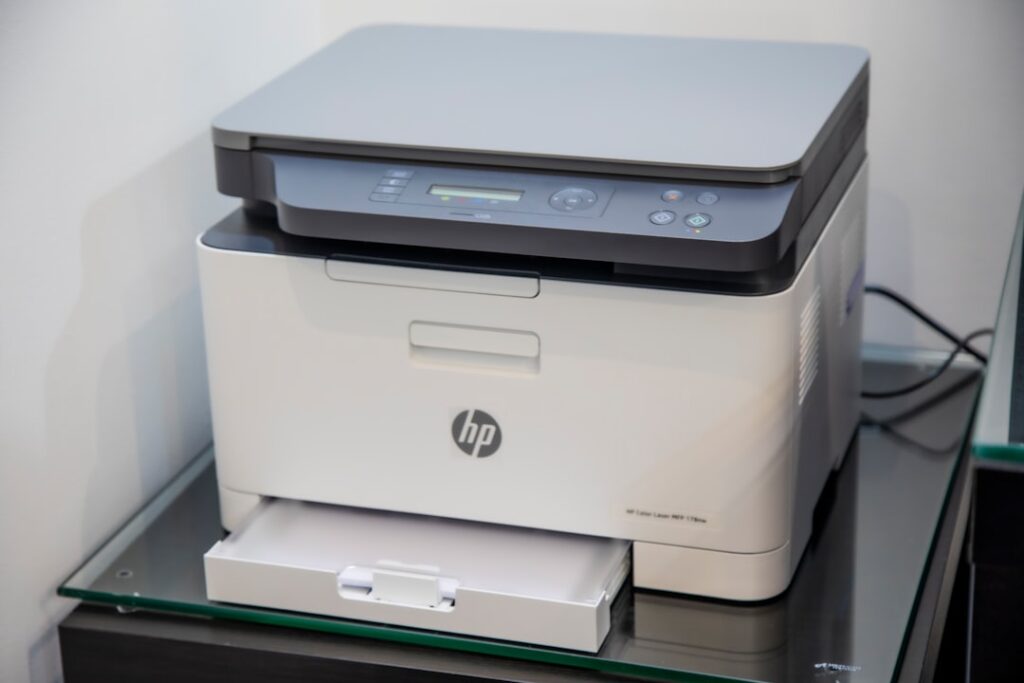
Picture this: your office printer runs dry on ink just minutes before a major presentation. The scramble to fix the problem wastes precious time and creates avoidable stress. Knowing how to properly refill HP printer ink can save both money and headaches, keeping your workflow steady. Businesses depend on crisp, clear prints for proposals, invoices, and marketing materials. That means recognizing when cartridges need replacing or refilling without halting operations is a must. A quick habit to develop is regularly checking print quality and cartridge levels. This simple step often prevents unexpected shortages. Many offices cut costs by choosing remanufactured ink cartridges. These are used cartridges cleaned and refilled, then tested for printer compatibility. They’re an affordable alternative to brand-new cartridges while maintaining solid print quality. For example, if your setup includes HP printers, going with remanufactured cartridges can significantly reduce expenses. Using these also helps reduce environmental waste, which is an added bonus for businesses aiming to be greener. It’s worth noting that some remanufactured cartridges might occasionally have minor ink inconsistencies, so keep a spare cartridge on hand to avoid disruptions. You also need to know the difference between inkjet and toner cartridges. Inkjet printers rely on liquid ink in cartridges, while laser printers use toner powder that fuses to paper with heat. Knowing which one you use makes ordering supplies straightforward and prevents the common mistake of buying the wrong type. For offices printing lots of color documents, investing in high-capacity color cartridges is practical. They last longer and reduce the frequency of replacements, cutting downtime and hassle. Convenience matters, especially if you’re running a busy office. Many suppliers now offer same-day dispatch and free delivery. Having such options means you can get essential ink without interrupting your schedule. Some providers even have subscription services that send refills automatically based on your usage patterns. This approach removes the need to track inventory or place orders manually, freeing you up to focus on core business tasks instead. Buying in bulk is a tactic worth considering. Suppliers often provide discounts when you purchase multiple cartridges at once. For companies with heavy printing demands, this can lead to substantial savings over time. It also means having extra cartridges ready for when stocks run low, eliminating last-minute rushes. A practical tip: store spare cartridges in a cool, dry place away from direct sunlight to preserve ink quality. If you want solid product options, look into remanufactured Canon CL-576XL Colour Ink Cartridge and Canon PG-575XL Black Ink Cartridge. Both balance affordability with reliable performance and suit a range of business needs. For further details on these products and how they might fit your workflow, visit hp printer ink refill. Carefully checking cartridge compatibility with your printer model before purchasing can save you from costly errors and wasted time. Understanding your printer’s specifications pays off. Not every cartridge fits all models, so double-checking the exact cartridge numbers is wise. Some printers have multiple versions of similar cartridges that look alike but aren’t interchangeable. Confirming details such as chip compatibility and cartridge size can avoid frustrating misfits. Also, always inspect new cartridges for leaks or damage before installation to prevent damage to your printer. If questions arise or you need help placing an order, don’t hesitate to contact suppliers directly. They can assist with product details and recommend cartridges tailored to your specific equipment and printing volume. For more information on printer supplies suited to business use, check out printer cartridge options for offices. Trusting knowledgeable sources reduces guesswork and keeps your printing running without hiccups.
Loft insulation grants Scotland explained simply

Winter often drives heating bills through the roof in Scottish homes with poor insulation. That cold draft sneaking in above the ceiling can make living spaces uncomfortable and expensive to heat. Loft insulation helps trap heat, cutting costs and raising comfort levels. Luckily, Scotland offers several grants to ease the financial load of upgrading loft insulation, targeting households that need it most. Choosing the right insulation material matters. Mineral wool remains a top choice because it balances thermal efficiency with soundproofing. Depending on your loft’s condition, installers might recommend thicker layers to boost performance. Spray foam is another option, expanding on application to fill awkward gaps and corners that traditional rolls can’t reach. This can be a better fit for older homes with uneven joists or irregular spaces. Qualifying for loft insulation grants often depends on income or benefits status. Those receiving Universal Credit, Pension Credit, or similar support usually stand a good chance of getting full funding for installation. Local councils keep lists of available schemes and application processes, but it’s common for paperwork to require proof of benefits and homeownership. Charities sometimes step in to help vulnerable residents, so checking with community groups can uncover more opportunities. Once you know you’re eligible, finding the right installer is key. Government-registered providers guarantee certain standards, so avoid unverified contractors. It’s common practice to get multiple quotes and ask for a home assessment before committing. An experienced installer will measure your loft, check for ventilation needs, and recommend insulation thickness tailored to your property’s specifics. If you work from home and your office is in the loft, good insulation isn’t just about comfort; it impacts productivity too. A warmer workspace reduces distractions and heating costs. Proper insulation also helps prevent damp spots that could damage equipment or paperwork stored in the loft. Investing time into securing grants and choosing quality materials can pay off in both personal well-being and work efficiency. Application processes can be slow, and some homeowners get tripped up by missing documents or unclear instructions. Keeping copies of correspondence and noting deadlines prevents delays. Once installed, many report noticeably lower energy use and a more consistent indoor temperature throughout winter months. Beyond loft-specific grants, Scotland has broader energy efficiency programmes aimed at whole-home improvements like wall insulation or heating upgrades. These can complement loft work by reducing overall heat loss. Local authorities or charities often provide advice on combining these options effectively. For a starting point tailored to your situation, visit loft insulation grants scotland. Checking out wider energy-saving measures can reveal additional funding streams worth exploring. Some initiatives target low-income households with packages covering multiple upgrades at once. Discussing your needs with council advisors or community organisations can uncover support beyond loft insulation alone. Practical advice on energy efficiency can also help avoid simple mistakes during installation or maintenance, such as blocking ventilation paths or compressing insulation material. If you want more general guidance on improving home energy efficiency in Scotland, take a look at energy saving advice for scottish homes. This resource offers straightforward tips and links to relevant programmes that fit different budgets and property types.
What Common Pitfalls Occur in Car Park Rental?

Arriving at your workplace only to find the parking lot completely full is a frustrating experience that happens all too often, especially in busy city centres. When parking spaces are scarce, customers can be left circling endlessly or abandoning their visit altogether. Poorly managed car parks not only frustrate users but also cut into potential revenue streams. Preventing these issues means careful oversight of space availability and clear communication with everyone who uses the facility. A frequent stumbling block in car park rental lies in miscommunication between property owners and drivers. For example, failing to announce rate changes or policy updates can cause confusion and even hostility among customers. It’s common for businesses to overlook updating signage or neglect sending digital notifications, which only deepens misunderstandings. Establishing a straightforward booking system, paired with visible notices both onsite and online, can reduce chaos and keep users informed about any changes. Maintenance problems are another major deterrent. Cracked surfaces, dim lighting, and broken ticket machines send a clear message that the facility is neglected. Drivers are less likely to return if they feel unsafe or inconvenienced. It’s practical to schedule routine inspections that catch wear and tear early, along with prompt fixes to keep everything functioning smoothly. A tidy and well-lit car park also boosts confidence in the business itself. Technology has become a useful tool for managing parking spots more effectively. Installing occupancy sensors in each space helps track usage in real-time, allowing operators to direct incoming vehicles efficiently. This data can be shared with drivers via apps or electronic signs, cutting down the time spent hunting for a spot. Automated payment systems reduce queues and errors, making the experience quicker and less frustrating for everyone involved. Pricing also influences how well a car park performs. Setting rates too high can drive customers away, but pricing too low leaves money on the table. It’s practical to review prices regularly, considering local demand patterns and competitor rates. Dynamic pricing models that adjust fees based on peak times or special events help balance usage and maximise income without alienating users. Adding extras like valet services or electric vehicle charging stations can make a big difference to customer loyalty. These options cater to diverse needs and create a stronger appeal compared to basic parking facilities. Operators often see repeat business when they offer convenience features like reserved spots or easy-access payment methods that save time for busy visitors. Effective car park management means staying on top of these details and responding quickly when issues arise. Keeping communication lines open, maintaining infrastructure reliably, using technology wisely, and adapting pricing all contribute to a better experience. A hands-on approach prevents problems from escalating and keeps the car park attractive and functional. Understanding the common challenges in car park rental lets businesses make informed improvements that benefit both owners and users alike. Simple habits such as checking maintenance logs weekly or sending monthly reminder emails about parking rules help avoid misunderstandings that cause frustration. For those interested in practical advice on optimising parking spaces, visit parking space rental options for detailed guidance.