
Effective Sports Physio for Better Recovery

Imagine gearing up for your usual weekend game or gym session after a busy workweek, only to be stopped by a sudden sharp knee pain. You’re far from the only one facing setbacks like this. Athletes and active people often run into injuries that can throw off their routines. Getting the right treatment is key to bouncing back and staying active. Sports physiotherapy offers focused care, tailored to the injury and the person, helping you recover smarter and faster. Sports physiotherapy zeroes in on injuries related to physical activity by assessing and diagnosing what’s wrong. Treatments include hands-on manual therapy, specific exercises designed to rebuild strength, and advice on how to avoid getting hurt again. Say you twisted your ankle playing soccer last weekend. A sports physio will likely give you exercises to stabilize the joint and strengthen the muscles around it. This approach not only speeds recovery but tackles weak spots that might cause trouble down the road. Common problems treated include sprains, strains, tendonitis, and fractures. Each injury calls for its own plan. For example, a hamstring strain usually starts with gentle stretches and controlled strengthening, while tendonitis requires careful gradual loading to prevent flare-ups. Getting these details right can mean the difference between a quick recovery and lingering issues. The first step with sports physiotherapy is a thorough assessment. This involves reviewing your injury history, current symptoms, and watching how you move. Physiotherapists might also use ultrasound or functional tests to get a clearer picture of the damage. From there, they’ll build a customised rehab plan that fits your goals, whether that’s returning to competitive sport or just moving without pain during your weekend runs. Rehabilitation is a step-by-step process. It often begins with therapies to reduce pain and swelling, like massage or manual techniques, then moves on to exercises targeting flexibility and strength. For example, after shoulder surgery, you might start with passive range-of-motion activities before progressing to resisted movements as your muscles regain function. A common hurdle is patients pushing too hard too soon, which can set back progress; clear communication with your physio helps avoid that. Alongside sports physiotherapy, other services can boost recovery. General physiotherapy covers broader muscle and joint issues, while exercise physiology focuses on improving performance through tailored training plans. Pre- and post-surgery rehab programs prepare you for operation and aid smoother healing afterwards. Combining these approaches often shortens downtime and improves long-term outcomes. When you’re ready to get started, look for clinics offering detailed evaluations and personalised treatment plans for active people. Consider options like sports physio lewisham if you’re in that area. It’s worth noting that small details matter, a physiotherapist might ask you to keep an injury diary or bring in previous medical reports to avoid repeating assessments. Also think about how other therapies fit into your recovery routine. Strength training sessions can boost athletic capacity, while remedial massage helps loosen tight muscles after intense workouts. These combined efforts form a well-rounded recovery that doesn’t just fix the problem but supports better overall physical health. Adding sports physiotherapy to your routine is a practical investment in staying active and injury-free. Remember that every injury and athlete is different; what works for one person may need tweaking for another. Regular feedback between you and your therapist ensures your rehab plan adapts as you improve. Staying honest about pain levels and challenges prevents setbacks and keeps you on track. sports physio lewisham rehabilitation services in lewisham
Schwimmkappen For Competitive Swimmers
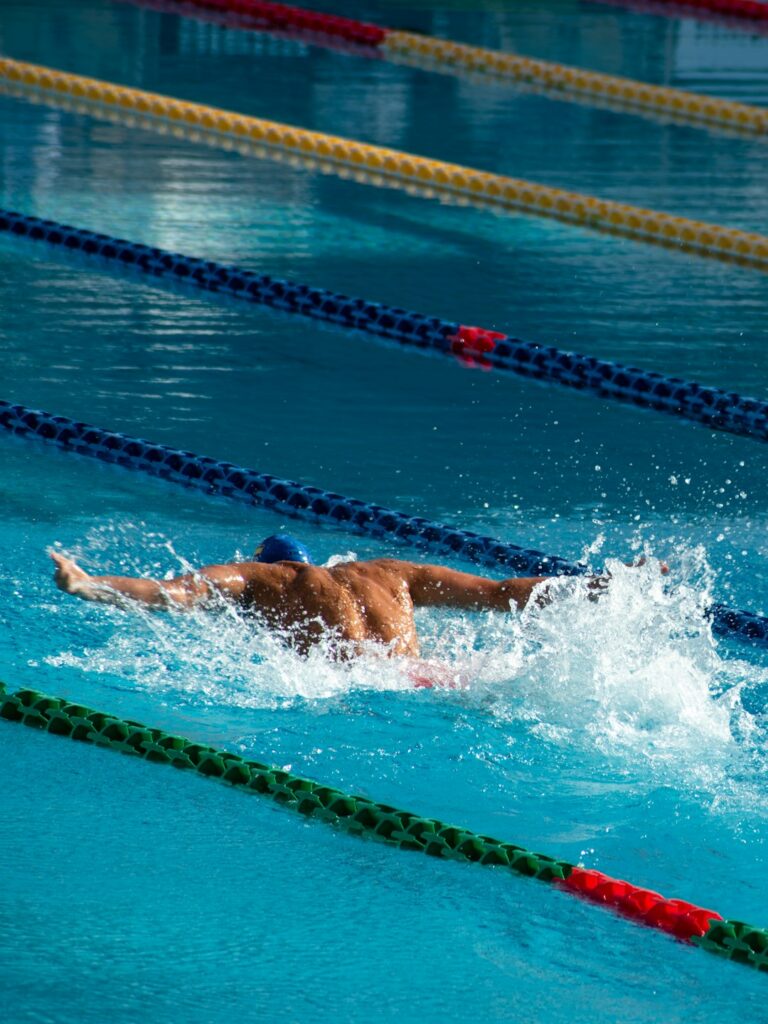
Standing on the pool deck before a race, you see swimmers pulling on their swim caps. These caps aren’t just about style or team colors, they make a real difference in the water. A good swim cap cuts down drag and keeps hair tucked away, so your focus stays sharp and your head streamlined. The fit matters: too tight and it distracts, too loose and water slips in. Many swimmers prefer caps with a beaded edge because they grip better and don’t slide off during turns or dives. Swim caps are usually made from silicone or latex. Silicone caps last longer and feel smoother against the skin, creating less resistance. They also stretch to fit snugly without pinching. Latex caps feel lighter and cost less but can tear easily if not handled carefully. Some swimmers keep separate caps for training and competition to extend their lifespan. When you’re trying a new brand, inspect the cap for small tears or weak spots before jumping in. Comfort is key during long sessions. If a cap pulls uncomfortably around the ears or forehead, it becomes a distraction. A small habit among swimmers is to rinse caps after use to prevent stiffness and cracking. Also, applying a little silicone-based lubricant or baby oil inside the cap before putting it on can make it slide on easier and reduce hair breakage. Swimmers often check their cap fit in the locker room mirrors, what looks fine when dry might feel different once wet. Visibility is another factor, especially for open-water swimming. Bright colors increase safety by making you easier to spot in choppy conditions or crowded races. Lifeguards and race officials rely on these visual cues to monitor swimmers effectively. Reflective strips aren’t common on caps but can add an extra layer of visibility in low light. Choosing a distinct color not only helps others see you but also gives confidence, knowing you stand out when you dive in. For swim shops and clubs, offering custom-branded swim caps can build community and brand loyalty. Athletes appreciate having gear that represents their team or club identity. Printing names or numbers on caps helps coaches identify swimmers quickly at meets. When ordering custom caps, it’s smart to request samples first since colors can vary between batches. Swimmers sometimes swap caps after races for souvenirs or to support teammates. Tech-savvy swimmers might be interested in swim caps with built-in sensors that track stroke count, lap times, or even heart rate. While these aren’t mainstream yet, they provide data that can shape training plans and race strategies. Keeping sensors waterproof and securely attached without adding bulk remains a challenge manufacturers are working on. It’s worth watching this space if you want to combine gear with performance metrics. Finding the right swim cap blends practical needs with personal style. Whether you swim competitively or just for fitness, a well-chosen cap boosts comfort and focus in the water. Explore options like Schwimmkappen to find designs that match your performance requirements and aesthetic tastes. From durable silicone to colorful latex, there’s a cap suited for every swimmer’s routine. If you often train in different water conditions or venues, consider keeping multiple caps handy, one for chlorinated pools, another for open water. Caps can absorb chlorine over time, becoming brittle or losing elasticity faster than you’d expect. Rotating your caps helps prolong their life and maintains their effectiveness during sessions. Before races, many swimmers develop routines involving their swim caps: stretching them gently before putting them on, checking for any damage, and securing goggles properly over the cap to avoid leaks or slippage. These little rituals can prevent distractions during crucial moments and keep you focused on your performance rather than gear malfunctions. For more options tailored to competitive needs, check out specialized swim cap designs.