
How to Choose Dry Ingredients Measuring Cups
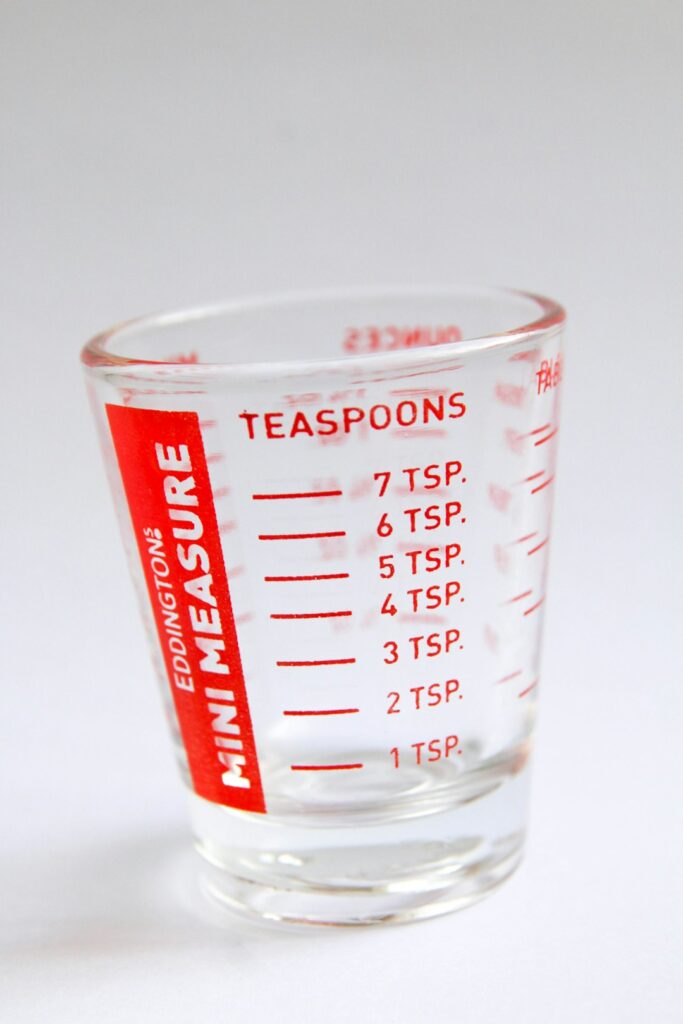
Accurate measurement of dry ingredients can make or break a recipe. Imagine halfway through baking a batch of cookies, you realize the flour was off by a few grams. The texture shifts, the flavor suffers, and what should have been a simple task becomes a hassle. For both home cooks and chefs working in demanding kitchens, reliable measuring pitchers are indispensable tools that prevent such errors. Measuring pitchers come in an array of sizes to match different kitchen tasks. A 4-ounce pitcher works well for spices or small amounts of baking powder, while larger pitchers, like those holding 64 ounces, handle bulk flour or sugar with ease. Choosing the right size reduces the back-and-forth of measuring multiple times and helps keep the workspace cleaner by minimizing ingredient transfers. Design matters just as much as size. Spill-resistant lips and snug-fitting handles make a difference when you’re juggling multiple tasks. Pouring fine powders can get messy quickly; a well-designed pitcher cuts down on dust clouds and wasted ingredients. Some pitchers come with ergonomic grips that feel secure even when your hands are slippery or full, which is common during busy prep times. Material choice affects durability and precision. Plastic pitchers are lightweight and less likely to break if dropped, which is why many kitchens prefer them for daily use. Glass pitchers provide stable measurements because they don’t flex or warp and resist staining from colorful spices or oils. However, they require more careful handling to avoid chips or cracks. Some kitchens keep both types on hand depending on the task’s demands. Customization options can be surprisingly useful. Restaurants aiming for consistency might brand their measuring pitchers with logos or color codes that correspond to ingredient types. This helps prevent mix-ups and keeps staff aligned on standard portions. Color-coded sets also speed up training new cooks by providing visual cues that reduce measurement errors during busy service hours. Sampling products before committing to a purchase is a practice worth adopting, especially for businesses. Testing pitchers firsthand reveals which models feel balanced, have clearly marked measurements, and handle different ingredients without clogging or spilling. It’s common to find that some pitchers perform better with powders but struggle with sticky substances like brown sugar. Accurate markings are non-negotiable. Clear, easy-to-read graduations eliminate guesswork. Some pitchers feature both metric and imperial units for convenience. In real kitchens, cooks often double-check measurements against recipes scribbled on notepads or printed sheets nearby, accuracy here saves time and prevents costly rework. If you want dependable tools for your kitchen, consider investing in dry ingredients measuring cups. From tiny spice-sized cylinders to large flour containers, there’s a pitcher tailored to every cooking scenario. Using the right measuring cup not only improves precision but also cuts down preparation time and ingredient waste. For additional options and information on how these measuring pitchers can improve your workflow, visit kitchen measuring essentials. Having the right equipment at hand supports safer cooking practices and helps ensure your recipes come out right every time.
Safe and Secure Self Storage for Businesses
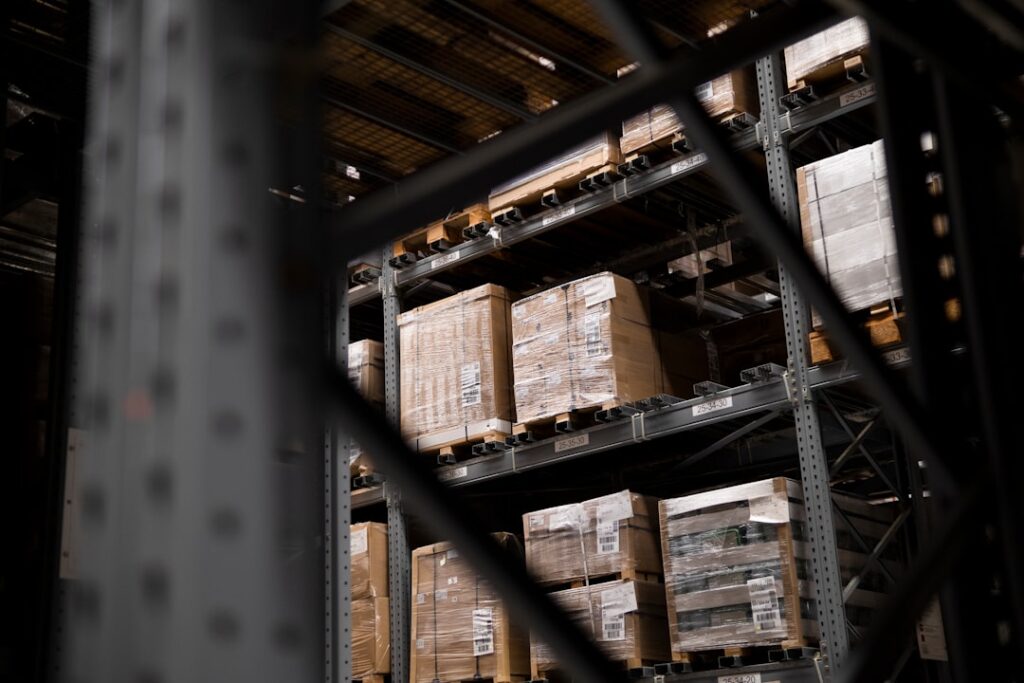
Running a business in Bali often means juggling limited space and growing stock. When your office starts to feel cramped with extra inventory, equipment, or seasonal items, finding a reliable storage solution becomes a priority. Long-term self storage units offer a practical way to offload these items without moving to a bigger, more expensive location. You can store everything from office furniture to critical paperwork in climate-controlled spaces that protect against Bali’s high humidity. Many business owners appreciate being able to access their units whenever they need, avoiding rigid hours that don’t fit their schedules. Storage costs typically depend on unit size and any added services. Small units work well for solo entrepreneurs or startups needing to keep essential documents or a few extra supplies safe. Medium and larger units suit companies managing larger inventories or bulky equipment. Checking the price tiers carefully helps you avoid overpaying or underestimating what you’ll need. Some facilities charge extra for climate control or pickup services, so it’s worth comparing offers before committing. Security is non-negotiable when storing valuable items. Facilities with around-the-clock security guards and surveillance cameras reduce the risk of theft or vandalism. It’s common for operators to require ID verification and track every entry and exit, which adds an extra layer of protection. For many business owners, knowing their assets are guarded 24/7 means less stress and fewer insurance headaches. Booking a storage unit has become much easier with online systems. You can pick your unit size and schedule additional options like scheduled pickups directly through a website. This saves time and prevents misunderstandings that happen when coordinating over phone or email. A typical process is setting a pickup date where movers come to your office, pack your goods in secure boxes, and transport them to your unit. This hands-off approach suits busy professionals who don’t want to disrupt their workflow. If you’re storing fragile or valuable items, ordering specialized packing materials such as security boxes is a smart move. These boxes are designed to protect electronics, artwork, or sensitive documents during transit and storage. Ordering them alongside your unit booking means everything arrives together, reducing last-minute trips for supplies. Experienced users often label boxes clearly with contents and dates to avoid confusion later, especially if stored for months. Questions about humidity control and safety features come up often. Climate-controlled units maintain steady temperatures and moisture levels, which can prevent mold damage or paper deterioration, important if you keep contracts or electronics in storage. Knowing the exact conditions helps you decide if a standard unit will suffice or if you should invest in specialized climate control. Some customers report checking the facility’s maintenance logs or asking about pest control routines before signing agreements. With three convenient locations spread across Bali, finding a storage site near your business or home is straightforward. Each location offers the same security standards and an array of unit sizes to meet different needs. Whether you run a small consultancy or manage a warehouse, you’ll likely find a unit that fits your operational demands. Having multiple sites also means you can choose one with easier access during your working hours. Besides traditional self storage, many providers now include tailored services like pickup and delivery designed for busy entrepreneurs. This means you don’t have to worry about transporting bulky items yourself or arranging third-party movers. These add-ons often include inventory tracking and regular updates, keeping you informed without micromanaging every detail. Choosing safe and secure self storage allows business owners in Bali to manage excess stock efficiently while ensuring their belongings stay protected in monitored environments. For those looking for convenient options nearby, provide practical solutions without the hassle of relocating or cluttering office space. storage units around bali