
Understanding Wireless Barcode Scanners
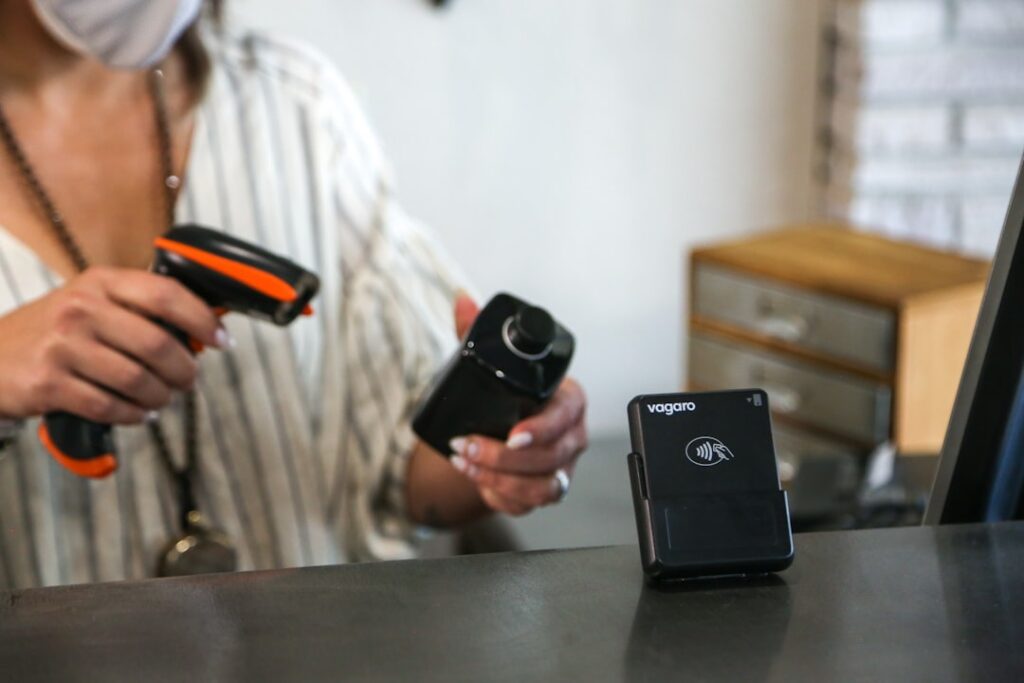
In busy hospital wards, nurses often struggle with the slow process of entering patient information and medication details by hand. Wireless barcode scanners make a tangible difference here. Instead of typing, staff can scan barcodes on wristbands or medication packages to instantly retrieve patient data. This cuts down delays, reduces mistakes, and frees up time for direct patient care. Nurses often keep a quick-reference chart nearby to confirm medication codes, preventing errors when different drugs look similar. Factories benefit just as much from wireless scanning. A floor manager might monitor inventory by scanning items as they move through the production line, updating stock counts on the fly. This reduces reliance on manual logs that are prone to errors or lagging updates. Workers often develop routines like scanning items twice or checking batch numbers against printed manifests to avoid discrepancies that could delay shipments. Not all barcode scanners do the same job. Some handle QR codes, which store more data and are common in marketing or logistics, while others focus on traditional one-dimensional barcodes found on retail products. Choosing the right type depends on the environment and the kinds of labels used. For example, the DT-90F Single Tube Reader is built for rapid scans of individual items, making it a good fit in fast-paced retail checkouts. Connectivity is another factor that shapes how wireless scanners perform. Many use Bluetooth to link with computers or tablets, giving employees freedom to move without tangled wires. This is helpful in warehouses where staff cover large areas. Some models also include onboard memory, letting them hold scanned data temporarily if a connection is lost, then sync everything later to prevent data gaps. Barcode readers aren’t restricted to staff use. Retail stores increasingly install self-service kiosks with scanners so customers can scan their own items during checkout. This approach reduces long lines during busy times and lets employees focus on other tasks. Staff often remind customers to scan each item carefully to avoid missed products, a common cause of mispriced purchases. When picking a device for public use, ease matters. The DT-80 Self-Service POS Kiosk Barcode Scanner features a straightforward interface and quick response time that help customers move through checkout without frustration. Practical details like clear visual cues and audible beeps guide users unfamiliar with scanning technology. Delivery companies face unique barcode challenges, as parcels come with labels printed on different materials and exposed to wear during transit. Mobile screen and paper 1D/2D readers must cope with smudges, creases, and varied lighting conditions. Couriers often carry backup scanners or cleaning wipes to maintain scan accuracy on the go. Investing in quality barcode scanner equipment improves operations in healthcare, manufacturing, and retail alike. Understanding device capabilities and matching them to real-world tasks streamlines workflows and cuts errors. Staying aware of technological trends such as augmented reality overlays and advanced analytics can prepare businesses for future improvements. Exploring options like barcode scanning for small business needs can offer practical advantages in a competitive market. Choosing the right device means considering factors like scan speed, connectivity, durability, and ease of use alongside everyday workflow realities.
Comfortable Cribs for Peaceful Sleep

Preparing for a newborn can overwhelm even the most organized parents. One couple decided to turn their bedroom into a restful haven for their baby by choosing a next to me crib. They liked the idea of staying close without co-sleeping. But placing the crib beside their bed wasn’t the full solution. They quickly learned that setting it up properly is vital to keep their baby safe and comfortable. The mattress quality became their top concern. Many cribs come with mattresses, but not all are firm enough. Soft mattresses increase the risk of suffocation and don’t support a baby’s fragile body well. They opted for a firm mattress designed specifically for cribs, which offered better support and peace during those restless nights. They also checked that the mattress fit snugly to avoid gaps where little limbs could get trapped. Positioning the crib was trickier than expected. Initially, they placed it right next to their bedside table, but small objects occasionally fell near the baby’s sleeping space. Realizing this hazard, they moved the crib slightly away and cleared the surrounding area. They made sure there were no loose cords or reachable items that could cause harm. This attention to detail helped create a safer zone for uninterrupted sleep. Choosing the right type of sleep space brought up tough questions. They compared cribs, cots, and cot beds. Cribs work well for newborns but offer limited longevity. Cots are bigger, suitable for toddlers, but less compact. Cot beds stood out because they convert from a crib to a toddler bed, saving money and space over time. This flexibility influenced their decision and made practical sense for their growing family. They also thought about how often they’d need to check on their baby in the night. The next to me crib allowed them to reach out easily without fully getting up or disturbing their own rest. This setup helped them respond quickly if the baby fussed or needed feeding. It became part of their nighttime routine to have everything within arm’s length, a small habit that reduced stress. Adjustable features made a noticeable difference too. Being able to raise or lower the crib height meant they could lift the baby in and out without straining their backs. As the baby grew and started to move more, lowering the crib sides added safety. These practical tweaks made daily care less tiring and more manageable. They spent time reading safety guides and watching tutorial videos recommended by parenting forums. One useful tip was to double-check all assembly screws weekly since vibrations from movement can loosen them over time. They also learned it’s best to avoid bumper pads, which some people assume add comfort but can increase suffocation risks. For parents setting up their baby’s sleep area, it pays off to consider all angles: mattress firmness, crib placement, and adaptable designs that grow with your child. Taking the time to remove hazards like nearby cords or unstable furniture will help avoid late-night emergencies. For example, routinely checking that bedding is tight and free of clutter becomes a simple but effective habit. Families looking for more options might browse next to me crib selections tailored to different needs and budgets. There’s also value in exploring related products at , where you can find everything from swaddles to night lights in one place. nursery essentials online