
Choosing the Right Measuring Pitcher

In any busy kitchen or lab, precise measurement matters. One careless pour can ruin a recipe or compromise safety. That’s why relying on a measuring pitcher that delivers accuracy and control is a smart move. A good pitcher reduces spills and messes, saving time and cleanup effort. When picking one, focus on the shape, size, and material to match your daily tasks, whether you’re running a commercial kitchen or experimenting in a lab. Our ACCUPOUR measuring pitchers tackle common issues like dribbling and unclear markings. The spill-proof design is a major plus for anyone handling liquids where safety counts. For example, pouring chemicals without drops running down the side prevents contamination and keeps surfaces clean. Clear, bold measurement markings make it easy to add exact amounts without second-guessing, which cuts down on waste and costly mistakes. Comfort matters too. These pitchers feature ergonomic handles shaped for a solid grip. Pouring thick sauces or sticky syrups becomes less taxing on your wrist, especially during long shifts or repetitive tasks. The handle design helps maintain control with minimal effort, which lowers the chance of accidents or fatigue. This detail can save hours of discomfort over weeks of kitchen or lab work. Sizes range widely. You can choose from a small 4 oz cylinder for tiny batches to a large 128 oz pitcher for big-volume needs. The 64 oz size is a favorite in many restaurants for sauces that get refilled often. Labs appreciate having both small and large sizes available since different tasks require different volumes. Versatility in size means you don’t have to juggle multiple tools or settle for inaccurate substitutions. Branding your equipment has practical benefits beyond aesthetics. Custom logos on pitchers make it easier to track inventory and prevent mix-ups during busy service or production periods. A catering team using branded pitchers at events adds a professional touch and helps maintain consistent portion sizes across shifts. It’s a small step that can improve workflow and client perception simultaneously. Case studies show real-world impact. One large manufacturer saw noticeable reduction in wasted materials after switching to ACCUPOUR pitchers with clear markings and drip-free spouts. Another business boosted their brand image using personalized pitchers during trade shows, demonstrating that function and presentation can go hand in hand. These examples highlight how thoughtful equipment choices affect daily operations. If you’re unsure about which pitcher suits your setup, ask for a sample before committing. Testing pitchers in your environment reveals how well they handle your specific liquids and volumes. It’s common for teams to compare grip feel, pouring flow, and measurement clarity across brands before buying. This hands-on approach prevents costly returns or mismatched purchases. Investing in reliable measuring pitchers pays off through improved accuracy and safer handling every day. Their carefully engineered designs accommodate different volumes while reducing strain and mess. Consider size options and personalization to fit your workflow perfectly. Explore more about these versatile plastic pouring container options today and see the difference they can make. For detailed product information and support, visit measuring equipment resources to find tools suited to your needs.
How to Choose Tyres for Your Vehicle
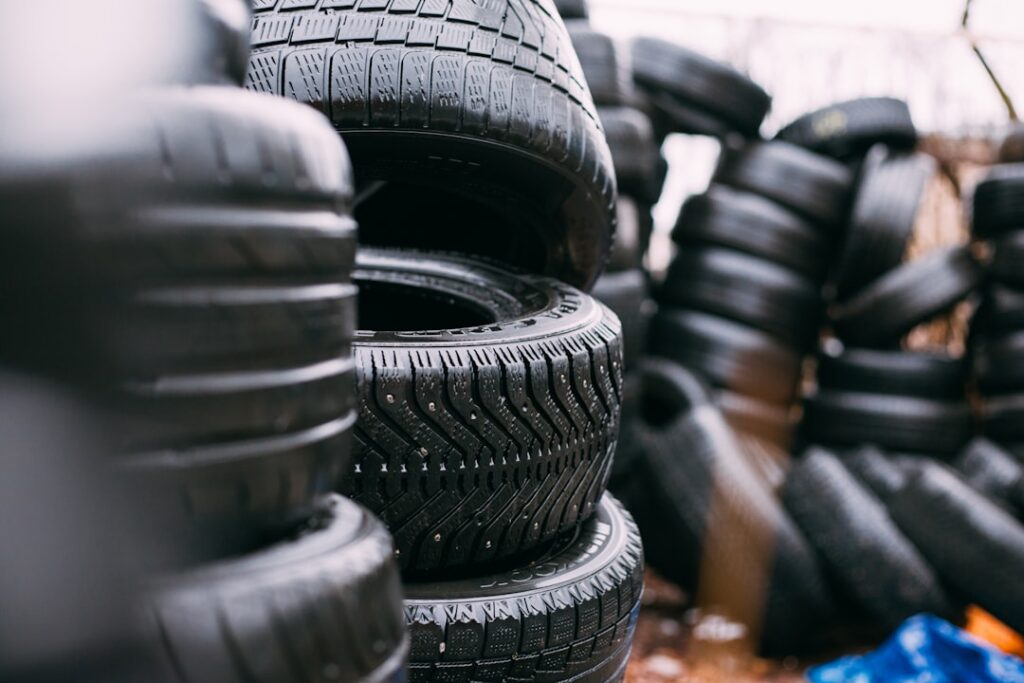
Selecting the right tyres can make a huge difference in how your vehicle handles, whether you’re tackling rough trails with a 4×4 or cruising smoothly in a classic car. Tyres affect grip, stability, and overall safety. Using the wrong type can reduce control and make driving less enjoyable. The right tyres improve traction, help save fuel, and provide a more comfortable ride. It’s worth taking time to match tyres with your driving style and conditions rather than just picking whatever’s cheapest or most available. If you’re aiming to reduce environmental impact without losing performance, look for tyres made with eco-conscious materials. Some tyres use sustainable compounds that lower carbon emissions during production and extend tread life, which means fewer replacements and less waste. You might find these tyres have slightly different wear patterns or need more frequent pressure checks to keep them performing well, but they offer a good balance between eco-friendliness and durability. For drivers focused on street performance, there are tyres designed specifically for paved roads. These typically feature tread patterns that enhance cornering and braking, plus rubber compounds that stay grippy even when wet. Features like wide grooves help channel water away quickly, reducing the chance of hydroplaning after rain. While they won’t handle dirt or mud well, these tyres give you confidence when accelerating or turning hard on city streets or highways. Off-road driving demands a different tyre setup. Tyres built for rough terrain usually have deep, chunky treads and reinforced sidewalls to resist punctures from rocks or roots. They provide excellent traction on sand, mud, or gravel but can feel noisy and stiff on smooth roads. Fleet managers often keep separate tyre sets for on- and off-road use to get the best performance without wearing out expensive tyres prematurely. Switching between these sets before trips is a common practice that helps avoid costly damage. Your vehicle’s purpose heavily influences the best tyre choice. For example, a light truck hauling heavy loads needs tyres rated for higher weight capacities and reinforced to resist heat buildup during long drives. Classic car owners might want tyres that maintain vintage looks while delivering reliable handling; these often require extra care with inflation pressures and regular tread inspections to spot uneven wear early. Skipping routine maintenance can lead to unexpected tyre failures or uneven wear, which affects safety and costs more over time. Think about where you spend most of your driving hours. Urban commuters face frequent stops and starts, so tyres with low rolling resistance can improve fuel economy. Drivers who cover long distances on highways should prioritize tyres with strong sidewalls to prevent blowouts under high speeds. Off-road adventurers benefit from tougher sidewall protections and self-cleaning treads that shed mud quickly. Checking the tyre label ratings and manufacturer’s specifications helps match these characteristics to your needs. Reliable advice is invaluable if you’re unsure about the best fit for your vehicle. Many tyre shops provide detailed spec sheets showing load indexes, speed ratings, treadwear warranties, and recommended inflation pressures. Asking about common local road conditions can also guide you toward models that last longer in your area’s climate. When fitting new tyres, technicians will often check wheel alignment and balance , skipping this step is a frequent mistake that leads to uneven tread wear and vibrations. For a broad selection tailored to different vehicles and uses, visit resources like radar tyres. They offer a variety of options that balance durability, grip, and efficiency without sacrificing quality. It’s also smart to consider where you buy your tyres. Many local retailers combine competitive prices with hands-on expertise about regional driving conditions. Comparing in-store service with online deals can uncover savings, but remember that professional installation and regular tyre maintenance are just as important as the initial purchase. Properly mounted and maintained tyres last longer and keep you safer on the road. tyre maintenance tips and advice