
Find a Venue for Hire in Brighton

If you’re organising a corporate retreat in Brighton, your starting point is finding a venue that suits all your needs. The space should easily switch between team-building activities and formal presentations without fuss. Many venues struggle to rearrange or supply equipment quickly, so test how flexible the layout and services are before signing any contract. It’s common to assume a venue can adapt on short notice, only to face last-minute headaches. Catering is often underestimated but can make or break your event. Check if the venue offers in-house catering or allows outside vendors. Make sure they can handle various dietary requirements, from gluten-free to vegan options. If your event runs all day, having access to healthy snacks and meals helps maintain energy levels and focus. Confirming these details early prevents surprises on the day, like limited menu choices or extra fees for special diets. Choosing a venue with character will set the tone for your event. Whether it’s a historic hall with unique architecture or a bright modern loft overlooking the sea, the environment influences attendees’ mood and creativity. For example, workshops aiming to spark innovation benefit from spaces filled with art or natural light. Think about how the venue’s style fits your event’s purpose and the impression you want to leave. If you plan breakout sessions, look for venues with multiple rooms or flexible studios. These smaller spaces should come equipped with reliable tech, projectors, sound systems, Wi-Fi, that actually works without constant troubleshooting. Having separate rooms helps keep conversations focused and productive, avoiding distractions from larger group noise. It’s often worth visiting to test the equipment yourself rather than relying on promises. Accessibility matters more than many expect. Make sure the venue is easy to reach by public transport and has sufficient parking. For guests with mobility issues, check for ramps, elevators, and accessible bathrooms. Overlooking these details can reduce attendance and cause stress on event day. A quick call to the venue’s management about accessibility features usually saves a lot of trouble. Budget surprises are common with venue hire. Some places charge extra for AV equipment, internet upgrades, security staff, or cleaning fees after the event. Ask for a detailed cost breakdown before committing. It’s also worth discussing cancellation policies and deposit requirements upfront. Keeping these financial details clear prevents last-minute disputes and allows better budget planning. Brighton offers a range of venues catering to varied needs. You can explore a variety of venue for hire brighton options suitable for corporate events or social functions. Different venues suit different group sizes and atmospheres, so do your homework and match your choice to your event’s goals. Getting accurate info directly from venues is invaluable. Reach out with specific questions about facilities and restrictions rather than relying solely on websites. Venue managers appreciate clear inquiries and can provide helpful details that aren’t always listed online. This direct approach saves time and avoids miscommunication that often leads to rebooking or adjustments later. Finally, keep a checklist of what matters most for your event, capacity, tech, catering, accessibility, cost, and tick off each venue against it. This simple habit stops you from forgetting important factors and makes comparing options more straightforward. Having this kind of practical system is something seasoned planners swear by and reduces stress throughout the hiring process. For additional information on venues and services in the area, consider visiting brighton event space details.
Navigating Market Research Services

Launching a new product without solid feedback is a gamble. Business owners often think their idea will click with customers, but assumptions can backfire. That’s where a communication agency steps in. They use tools like surveys and focus groups to gather real customer opinions. These methods don’t just generate numbers; they uncover what drives decisions and reveal preferences that might otherwise stay hidden. Agencies also turn raw data into clear visuals that help teams understand insights at a glance, avoiding confusion over spreadsheets filled with figures. No company is too small or too specialized to benefit from tailored research. A tech startup looking to break into B2B markets needs different information than a local eatery refining its menu for nearby patrons. Agencies customize their approach, ensuring the questions asked and data collected match the sector’s specific challenges. For instance, a retailer might focus on foot traffic patterns and purchase triggers, while a SaaS company could prioritize feature adoption rates and client satisfaction scores. Surveys are a staple for collecting quantitative data, helping businesses measure opinions and trends accurately. Focus groups add depth by creating conversations that expose emotions and motivations behind choices. Both methods require careful planning, random questions or poorly selected participants can skew results. Experienced agencies know how to avoid these pitfalls by designing studies with clear objectives and representative samples. White papers are another tool agencies produce to assist brands aiming to stand out. These documents dive into market trends and consumer behaviors, identifying gaps that present growth opportunities. A well-crafted white paper often includes competitor analysis, which can expose blind spots companies hadn’t noticed, like overlooked customer segments or emerging rivals disrupting the market. Internal alignment is often overlooked in market research. Agencies help ensure that insights don’t just live in marketing but reach product development, sales, and customer service teams as well. When everyone shares the same data and interpretation, efforts align better. This reduces duplicated work and inconsistent messaging, which can confuse customers and waste resources. Real-world examples show how research uncovers unseen risks. In one study, several businesses underestimated how much their competitors influenced customer loyalty. Without this information, marketing campaigns missed the mark and product updates failed to excite users. Targeted research corrected these blind spots, enabling smarter decisions on where to invest time and money. Reports like the Ripple Report keep insights fresh by tracking changes over time rather than offering a one-off snapshot. Regular updates help businesses spot shifts early, like evolving customer needs or new technological advances. Acting on these signals can mean the difference between staying relevant and falling behind. Working with a communication agency means turning confusing data into clear guidance. It’s not just about numbers; it’s about what those numbers mean for your next move, whether that’s tweaking product features, adjusting marketing messages, or choosing partners strategically. The right agency breaks through assumptions and provides clarity when decisions feel uncertain. If you want to see how research-backed insights can sharpen your strategy, consider reaching out to a communication agency. When decision-making feels uncertain, solid data is the best tool to close knowledge gaps and guide growth plans. For practical methods on analyzing markets effectively, you can get detailed market research advice from additional resources available online.
Understanding Datamatrix Readers
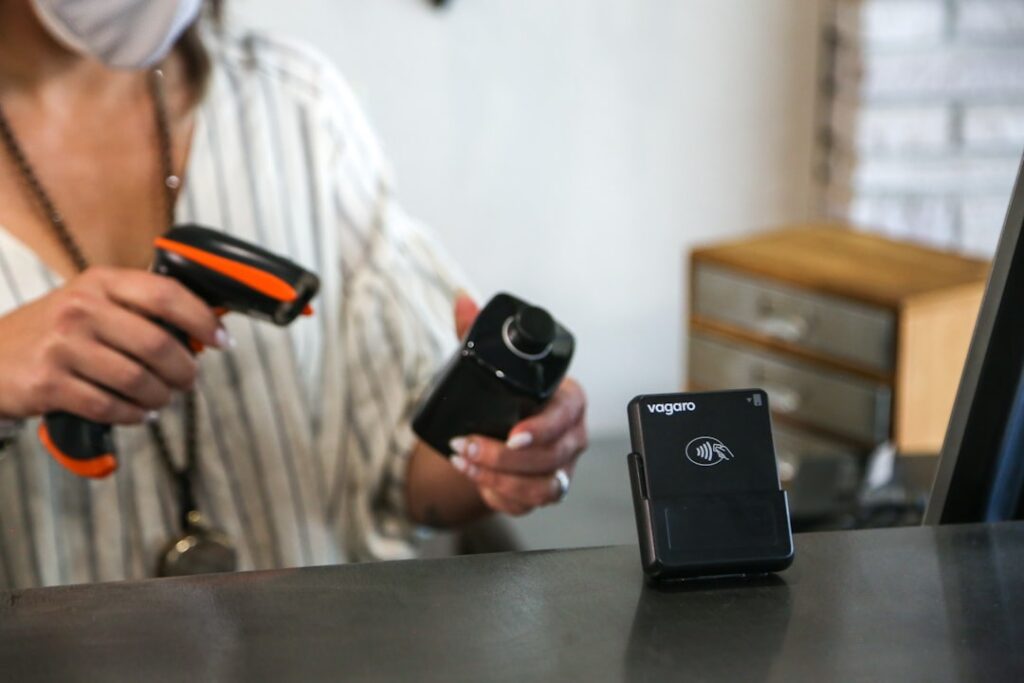
In busy hospital wards, timing and accuracy can mean the difference between life and death. Nurses rely on datamatrix readers to scan medication labels quickly, cutting down the risk of giving the wrong drug or dosage. These devices handle small, densely packed codes that are impossible to read by eye, helping staff confirm prescriptions in seconds. It’s common practice for nurses to double-check scans against patient charts before administering medication to avoid mix-ups. Integrating datamatrix readers into medical workflows helps reduce errors and speeds up care delivery, especially during shift changes or emergency situations. Manufacturers depend on datamatrix readers to track thousands of parts moving through assembly lines. These readers capture detailed information from tiny labels attached to components, even when printed in very small fonts or on curved surfaces. Workers often carry handheld scanners to update inventory counts on the spot, preventing stock discrepancies that cause delays. For example, a technician assembling circuit boards might scan each chip as it’s installed, ensuring the right parts go into every product. This real-time data collection cuts down manual paperwork and avoids costly errors caused by mislabeling or lost items. Retail stores also benefit from fast barcode scanning at checkout points. Customers using self-service kiosks expect smooth, quick transactions, especially when buying many items. A high-speed datamatrix reader can scan both printed barcodes and those displayed on mobile phones without slowing the line. Retail employees often train customers on proper phone screen brightness and positioning to ensure reliable scans, reducing frustration. Faster scanning means shorter wait times and higher throughput during busy hours, which improves the shopping experience and helps stores handle peak traffic efficiently. Datamatrix readers work by capturing images of barcodes and decoding the data embedded within. There are two main technologies: CCD scanners and laser scanners. CCD scanners use a grid of light sensors to take a snapshot of the entire barcode at once, making them effective for close-range reading of dense codes. Laser scanners sweep a beam over the barcode from a distance, often preferred for longer reads or when the code is damaged. Choosing between these depends on the environment, laser scanners might be less effective on curved or reflective surfaces common in packaging. Different scanner models cater to varied needs. For example, the DT-90F model is built specifically for single tube reading in clinical labs, designed to accurately scan small vials without removing them from racks. Meanwhile, the DT-80 model targets retail self-service kiosks, optimized for scanning both paper labels and smartphone screens quickly. Each model includes features like adjustable focus, ergonomic design, or dust resistance tailored to its setting. Staff training on device handling and cleaning routines also plays a big role in keeping scanners reliable over time. Durability matters a lot in harsh workplaces like warehouses or outdoor yards. Many datamatrix readers come with protective casings rated to resist dust, moisture, and drops from several feet. These rugged designs reduce downtime caused by equipment failure, which can disrupt workflows and require costly repairs. Maintenance procedures often include regular cleaning of scanner lenses and firmware updates to improve performance. A scanner that survives daily knocks and environmental stressors saves money by lasting longer and maintaining accuracy. Modern businesses that rely on quick data capture gain an edge by deploying datamatrix readers. The speed and precision these devices offer improve inventory management, quality control, and customer service across industries. For example, logistics teams use them to verify shipments before dispatch, preventing costly returns due to wrong items being sent out. Warehouse workers often keep a checklist nearby to cross-verify scanned codes with packing lists, avoiding miscommunication between shifts. Selecting an effective barcode scanning tool for retail checkout involves balancing features like scan speed, compatibility with various code types, and ease of use. Staff often develop habits such as checking scanner status lights or performing routine test scans at shift start to catch issues early. These small steps cut down on rework caused by unreadable codes or device glitches. Investing in appropriate scanning technology helps organizations meet operational demands while keeping customers satisfied and staff productive.