
Custom Chandeliers: Myths and Realities

Walk into a spacious lobby, and the first thing that grabs your attention is a chandelier tailored exactly to the space. Custom chandeliers often get pegged as exclusive to high-end clients or luxury venues, but that’s far from the truth. From independent cafes to small galleries, bespoke lighting can adapt to fit different styles and budgets while adding character. The key is matching design with function, something achievable without an extravagant price tag. Some assume commissioning a custom chandelier means endless back-and-forth and headaches. In practice, experienced manufacturers streamline the process. The conversation starts with a clear idea of what the client wants, then moves to specifics like size, materials, and how the fixture will be used. For example, a boutique restaurant might want warm lighting that complements the décor but also bright enough for diners to read menus comfortably. Having those details upfront saves time and reduces surprises later. Material choice is critical beyond just looks. Crystal offers impressive light refraction but tends to be heavier and requires sturdy support. Glass can be shaped into unique forms but might need more careful maintenance. Metals like brass or brushed nickel bring durability and a modern edge, plus they hold up well in humid environments like kitchens or bars. A common mistake is underestimating the weight and wiring requirements; contractors should review fixture specs alongside electricians before installation. Installing a custom chandelier can seem intimidating due to safety and wiring concerns. Many assume it demands a specialist electrician every time. While professional installation is recommended, manufacturers often provide detailed instructions or even on-site guidance to help avoid errors that cause delays or damage. A smart habit is double-checking ceiling reinforcement and confirming electrical load capacity before ordering to prevent last-minute changes. A boutique hotel recently worked with custom chandelier manufacturers to create an entrance fixture reflecting local art and history. The piece wasn’t just decorative; it also illuminated guests’ arrivals at all hours effectively. It became a talking point and contributed positively to the hotel’s atmosphere. That kind of collaboration shows how bespoke lighting can be both practical and meaningful. Technology integration is becoming standard in custom chandeliers. Options like dimmable LED bulbs reduce energy use and heat output, which benefits both utility bills and fixture longevity. Some designs incorporate smart controls compatible with apps or voice commands, allowing easy adjustments for mood or time of day. Clients interested in sustainability appreciate these features, especially when paired with recyclable materials or finishes that resist tarnishing. Maintenance concerns often scare off potential buyers who think bespoke means constant upkeep. The truth is many fixtures use finishes that repel dust and fingerprints, cutting down cleaning time. Regular wiping with a microfiber cloth and occasional deeper cleans with mild detergent keep chandeliers sparkling without hassle. Clients are advised to avoid abrasive cleaners that can damage surfaces or dull crystals. Browsing projects from manufacturers specializing in custom lighting reveals how constraints inspire creativity. Tight ceiling heights, odd room shapes, or specific brand aesthetics challenge designers to innovate within limits. These real-world examples help clients visualize possibilities rather than settling for standard off-the-shelf options. For more inspiration and practical advice on transforming spaces with custom lighting, visit bespoke lighting ideas for businesses.
Private Business Club for Meaningful Growth

Stepping out of the corporate world to start your own business often brings unexpected solitude. You might have swapped a busy office for a quiet home setup, but without a network, you face many hurdles alone. That’s where joining a private business club can make a real difference. It connects you with other service-oriented entrepreneurs who get the grind and share practical advice beyond surface-level tips. Within this circle, every conversation serves a purpose. You could find yourself at a member lunch discussing how to secure your first dozen clients or sharing stories about bouncing back after a failed launch. For example, meeting someone who recently rolled out a service like yours could save you weeks of guesswork. They might warn you about common missteps or recommend tools for customer management, like simple CRM systems that prevent missed follow-ups. Leaving the corporate setup means losing built-in support, mentors, HR, scheduled meetings. Many new business owners don’t realize how much that structure helps keep stress in check. Without peers who understand the ups and downs, burnout creeps in fast. During events like the Member 121 Days check-in, you’ll hear candid talk about struggles and hear real strategies to stay motivated, from setting weekly priorities to carving out time for self-care. Surveys show loneliness is a frequent companion for entrepreneurs. While exact numbers vary, it’s clear isolation impacts mental well-being and decision-making. Joining a focused peer group offers more than networking; it creates a space where mutual support lessens the weight of running a business solo. Growth in these clubs happens through collaboration. One member might be a whiz at digital ads; another excels in closing sales calls. Sharing leads or co-hosting webinars can multiply your reach without extra overhead. Member Partnership Lunches aren’t just social, they’re strategic. They often lead to joint ventures or referral systems that provide steady client flow and shared marketing efforts. Many entrepreneurs overlook casual meetups like guest lunches or social gatherings. These relaxed settings encourage honest conversation, not just elevator pitches. Sitting down with someone who’s tackled similar challenges, like managing cash flow during slow months or streamlining client onboarding, can offer actionable advice you won’t find in books. Business is personal, and so is the support you need. A community where members openly discuss setbacks builds trust and resilience that spreadsheets can’t measure. When deadlines pile up or clients push back, knowing others have been there adds perspective and keeps you grounded. If the silence after leaving corporate life feels overwhelming, don’t wait for connections to happen by chance. Engaging with a private business club opens doors to relationships that help both your business and sanity. It’s an environment where your experiences matter, and growth happens through shared challenges and real-world advice. private business club focused peer group
Practical Behaviour Change Techniques
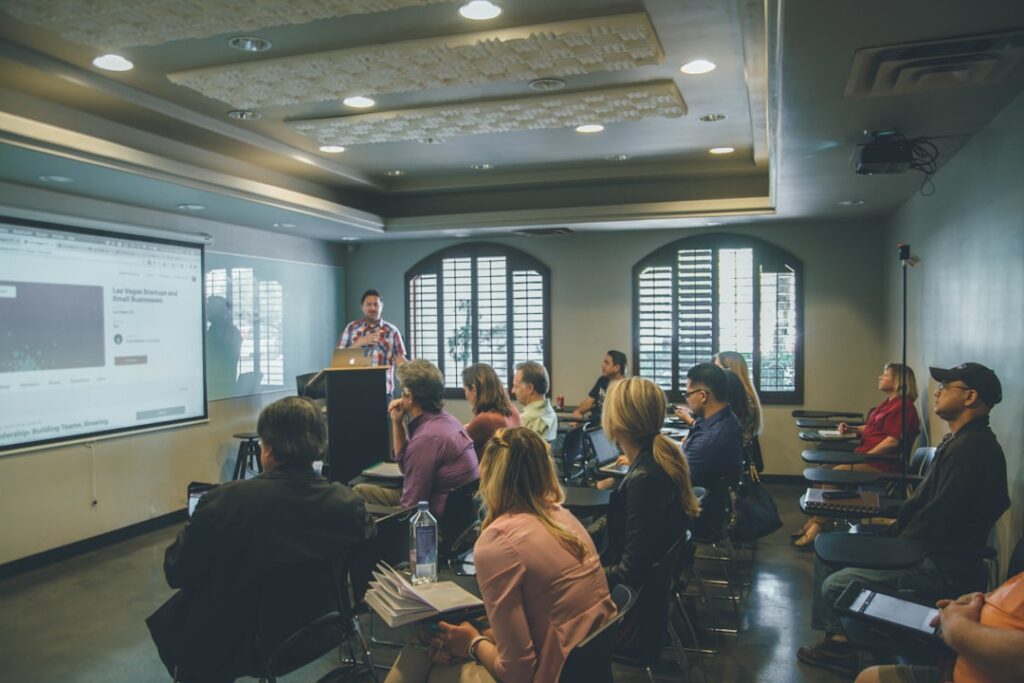
A small business owner notices that employees often reach for chips and candy during breaks and skip out on exercise options. Instead of mandating changes, the owner tries subtle behaviour change techniques to shift habits for the better. One effective tool is the use of nudges. These are small tweaks to the environment that steer choices without taking options away. For example, placing a bowl of fresh fruit at eye level in the break room makes it easier to grab an apple than a chocolate bar. This simple change taps into how people decide when they’re not fully focused on health. Goal setting is another practical method. Setting clear, measurable targets like joining a weekly group walk or logging 10,000 steps daily gives employees something concrete to aim for. Sharing these goals with colleagues adds accountability, increasing the chance they’ll stick with it. Small incentives such as gift cards or extra break time for meeting goals can boost motivation further. A common pitfall is setting vague or overly ambitious goals, so it helps to check in regularly and adjust targets based on feedback. Social support matters more than many expect. Employees are influenced by their peers, so creating group activities can build momentum. Team challenges, such as step counts or healthy recipe swaps, turn behaviour change into a shared experience. It also breaks down barriers between departments and encourages casual conversations about health. In one office, a cooking class led to employees swapping simple lunch ideas, cutting down on unhealthy takeout. Resistance is inevitable. Some staff may see these efforts as intrusive or unnecessary. Clear communication about the benefits and inviting employee input can reduce pushback. One owner found that holding informal Q&A sessions helped address worries and clear up misunderstandings about why changes were happening. It’s also important to respect individual readiness; forcing participation can backfire. For those interested in deeper insights, there’s a wealth of information online about behaviour change techniques. These resources explain the science behind what makes habits stick and offer tools adaptable to different workplace cultures. Practical guides often recommend starting small and building momentum rather than overhauling everything at once. Measuring progress keeps efforts grounded. Tracking participation rates in wellness programs or surveying employees about their habits provides data to guide adjustments. One company kept simple logs of group workout attendance and noticed a dip during busy periods, prompting a schedule shift to lunchtime sessions. This kind of responsiveness helps keep initiatives relevant and respectful of employees’ time. Small details matter in implementation. Sending reminders via email or posting posters near coffee machines keeps goals top of mind without nagging. Keeping healthy snacks stocked requires coordination with suppliers and budget awareness. Sometimes a misunderstanding about portion sizes or what counts as exercise can derail efforts; offering clear examples in newsletters or meetings helps clarify. Effective behaviour change is less about dramatic shifts and more about steady, manageable steps that fit the workplace rhythm. A motivated team that feels supported rather than pressured is more likely to adopt lasting habits. For practical advice on applying these ideas in your business, visit workplace health planning tips.