
Pool Waterproofing: Common Mistakes
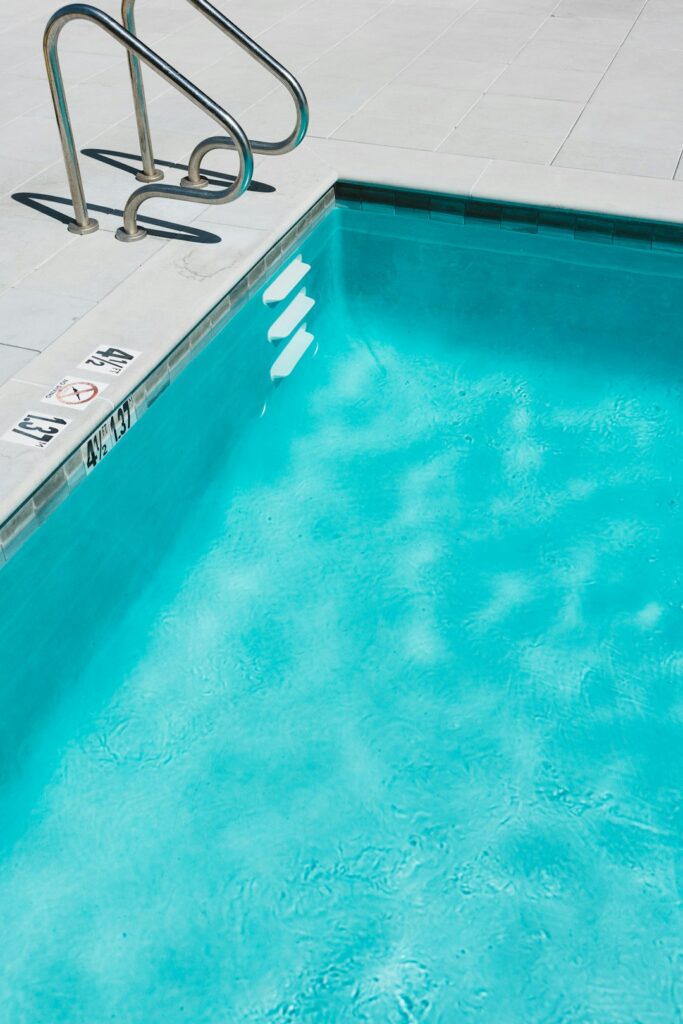
You’ve just installed a pool, but water is leaking through cracks in the walls or floor. This problem often stems from poor waterproofing. If not done correctly, water intrusion can weaken the structure and lead to costly repairs. Knowing where things commonly go wrong helps protect your investment and keeps the pool usable for years. One of the biggest errors is skipping proper surface prep before applying waterproofing materials. Dirt, dust, or old paint must be removed so the new layer sticks firmly. A clean, dry surface is non-negotiable. For example, applying a membrane over debris traps moisture underneath, which can cause mold and degrade the material quickly. Many homeowners don’t realize that even small bits of residue can affect adhesion and lead to peeling or bubbling. Choosing the wrong waterproofing product for your pool type is another frequent mistake. Concrete, fiberglass, and vinyl pools each require different products tailored to their properties. Using a standard sealant on a porous concrete pool, for instance, often fails after a few seasons because it doesn’t penetrate properly. It’s important to match products to your pool’s material and environment to avoid leaks and premature failures. Applying waterproofing should follow manufacturer directions carefully. Skipping drying times or layering too quickly can trap moisture between coats, reducing effectiveness. For instance, a liquid membrane applied without enough cure time may blister or peel within months. DIYers often underestimate these details, assuming faster work saves time when it actually compromises durability. Waiting at least 24 hours between coats and ensuring even coverage makes all the difference. Seasonal changes can damage waterproofing if not monitored. In colder climates, water in tiny cracks freezes and expands, causing further damage. Inspecting your pool regularly in fall and winter helps catch early signs like hairline cracks or loose membranes. Fixing these promptly prevents larger repairs later. A practical habit is keeping a maintenance log noting inspections and repairs to track problem areas over time. Drainage around the pool is often overlooked but vital. Water pooling near the foundation puts pressure on walls and waterproofing layers. Installing drains or grading the area so water flows away reduces stress on the structure. Sometimes simple fixes like cleaning gutters or adjusting downspouts prevent water accumulation. Poor drainage accelerates wear and can undermine all other waterproofing efforts. For those installing new pools or repairing old ones, understanding these pitfalls saves money and frustration. Investing in quality pool waterproofing products designed for your specific needs pays off. Thorough surface prep, selecting the right materials, methodical application, seasonal checks, and good drainage form the backbone of lasting protection. Bringing in help from people experienced with swimming pools can reveal issues you might miss. Experts often spot subtle problems during site visits or suggest practical adjustments that improve results. If you’re unsure where to begin or want advice tailored to your situation, consulting someone familiar with swimming pool maintenance advice can be a smart move.
Car Elevators in Boston for Efficient Parking
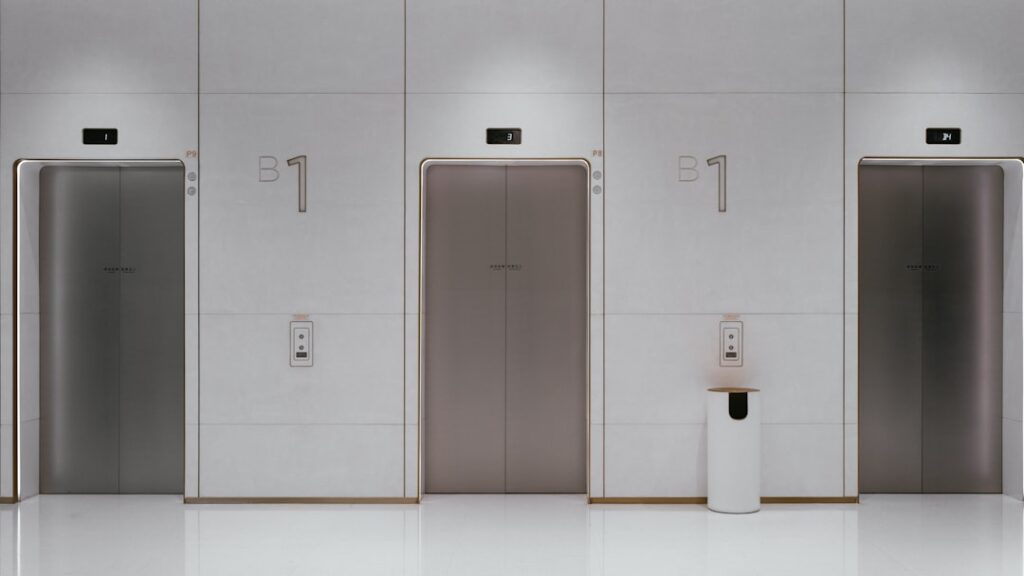
Parking in Boston is a challenge for anyone running a business where space is tight. Street parking is scarce, and turning valuable ground-floor space into parking often means sacrificing revenue. Car elevators offer a smart workaround by moving vehicles vertically instead of spreading them out horizontally. These systems allow buildings to stack cars in multiple levels without large ramps or extended driveways, saving space and improving access. Car elevators aren’t one-size-fits-all machines. They are built to handle different vehicle weights and sizes, which is critical since Boston businesses might deal with anything from compact cars to bulky delivery trucks. Load capacity ratings must be carefully checked during planning. Safety features are just as important; emergency brakes, overload sensors, and backup power systems help prevent accidents and keep both vehicles and users safe. It’s common for operators to run regular inspections and keep detailed logs to catch potential issues early. Take, for example, a luxury condo in downtown Boston that installed a car elevator to give residents direct access to their parking spots without walking down long corridors or ramps. The elevator carries cars straight to apartment levels, cutting down on walking time and making the parking experience feel exclusive. Residents appreciate that their vehicles are secure and accessible, which adds real value when selling or renting units. Maintenance crews also report fewer hassles since there’s less wear on mechanical ramps and less debris accumulation. Hotels and office buildings also use car elevators to improve traffic flow. A hotel near the convention center installed one to help guests get from street level to parking without delay or confusion. Guests with luggage find it easier to reach their rooms after parking, which reduces complaints at the front desk. Staff members coordinate elevator schedules carefully to avoid bottlenecks during peak check-in times, a practical detail often overlooked in planning. Technological advances have made car elevators quieter and more energy-efficient. Many now use hydraulic lifts powered by fluid pressure, which run smoothly and quietly compared to older cable systems. Electric drive models are gaining ground because they consume less electricity and require less maintenance over time. Choosing between these options depends on factors like building size, vehicle load requirements, and budget constraints. Legal compliance is non-negotiable. Boston has strict building codes governing elevator installation, including fire safety and emergency access rules. Business owners work closely with licensed engineers and city inspectors to ensure every detail meets code. Documentation, such as load tests and safety certification reports, must be kept up to date and available for review. Misunderstandings about permit requirements can lead to costly delays, so clear communication with local authorities is crucial. If you’re considering installing a car elevator in Boston, it pays to do your homework on providers who understand local regulations and the city’s unique spatial challenges. They’ll offer tailored designs that fit your building’s footprint while prioritizing reliability and user safety. For more information about available options, visit car elevator boston. In addition, many building managers consult with companies that specialize in urban property enhancements to coordinate installation timelines with other renovations. This minimizes disruption to tenants and helps avoid conflicts with utility work or other contractors. Those managing mixed-use properties find that integrating the elevator project into their broader maintenance schedule reduces surprises and keeps budgets intact. More details can be found at urban property parking options.