
Maximise Your Business Value in Perth

If you own a business in Perth and are thinking about selling, understanding how much your company is worth is your first step. A clear valuation not only helps set realistic expectations but also strengthens your position when negotiating with buyers. Many owners make the mistake of guessing their business’s value based on gut feeling or outdated financials. Instead, a detailed valuation reveals your company’s true financial health and highlights areas that might boost its appeal. A core metric buyers focus on is EBITDA, earnings before interest, taxes, depreciation, and amortization. This figure strips away financing and accounting quirks to show operational profitability. For example, if you have good EBITDA but customer retention is slipping, potential buyers will notice. Addressing such issues beforehand can prevent last-minute price drops or deal delays. Regularly reviewing your EBITDA alongside monthly cash flows and customer churn rates gives you a realistic view of performance. Comparing your business to similar companies in Perth and your sector is another practical way to estimate value. Market comparables reveal what buyers are willing to pay right now. If businesses like yours are fetching higher prices due to regional demand or industry trends, you can justify aiming higher. That said, these comparisons only work if the data is recent and relevant; many sellers rely on outdated or broad benchmarks that don’t reflect their niche or local conditions. Planning your exit can make a big difference. A solid strategy includes not just the sale itself but also demonstrates growth opportunities to buyers. For instance, have you identified new markets or product lines to expand into? Showing documented plans or pilot projects signals that your business has upside potential beyond current figures. Buyers often want proof of concept or early traction in these areas before committing. If you’re unsure about what to expect from selling, consulting professionals who provide perth business valuations can help. They look beyond the surface numbers, factoring in local economic conditions, industry shifts, and even supply chain risks. Often, business owners underestimate hidden liabilities or overvalue intangible assets like brand goodwill without proper documentation. The valuation process usually involves reviewing tax returns, profit and loss statements, contracts with key clients, and employee agreements to get an accurate picture. Before putting your business on the market, consider practical ways to increase its worth. Improving customer engagement through targeted digital marketing campaigns can boost sales and demonstrate active growth efforts. Streamlining operations to reduce costs without sacrificing quality also strengthens profitability. Keeping detailed records of these initiatives proves to buyers that the business is well-managed and ready for expansion. It’s important to assess whether selling now fits your financial situation. Letting go of your business means losing a steady income source and possibly benefits tied to ownership. Many people don’t realise how much working capital they need post-sale until they start planning their next steps. Talking with financial advisors who specialise in exit planning might reveal options like phased ownership transfers or earn-out agreements that ease the transition. Accurate valuations are only part of preparing for a sale. You also need a clear plan outlining how you’ll hand over operations, retain key staff during transition, and manage outstanding contracts. Small details matter: have you updated your business licenses, ensured compliance with local regulations, or prepared comprehensive client reports? These practical tasks often delay sales when overlooked. Exploring resources online can support your preparation process. Visit business sale planning in perth for guides on valuation techniques, exit planning advice, and checklists that cover what buyers typically ask for. The more informed you are about what buyers want and how valuations work, the better you can position your business for a successful sale and a fair price.
Stone Benchtop Installation Guide
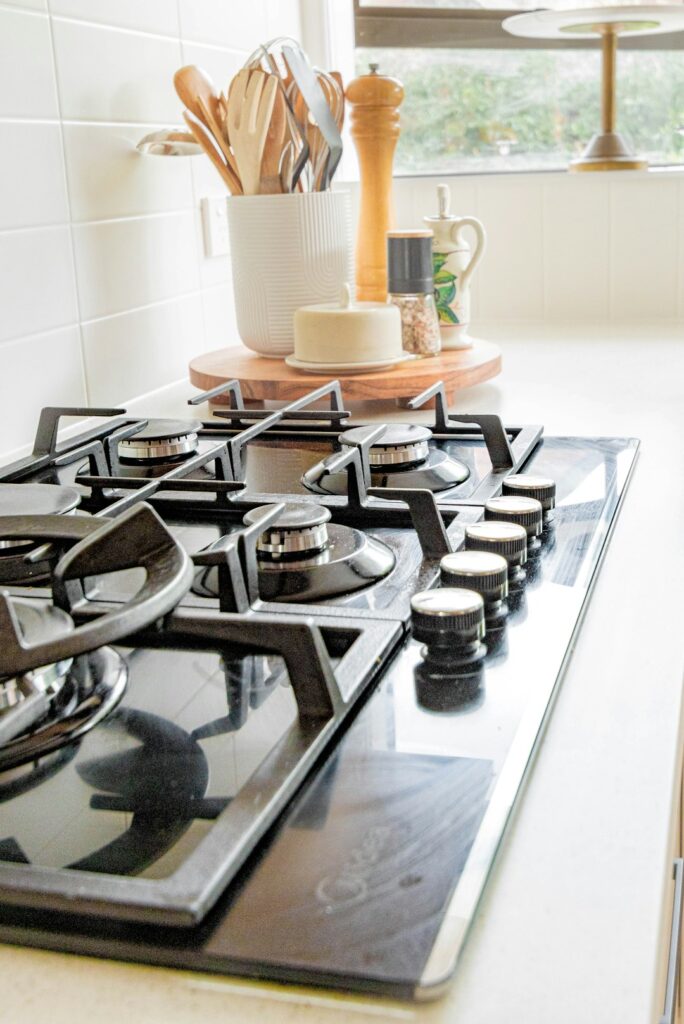
Waking up to a kitchen that looks tired and outdated can be frustrating. Many homeowners in Melbourne and Geelong face this issue with worn benchtops that drag down the whole room. Upgrading to stone benchtops offers a solid way to boost both style and practicality without ripping out cabinets or changing layouts. Stone comes in a variety of colours and finishes, giving you plenty of options to match your kitchen’s vibe and suit your daily needs. The process begins with a consultation where you explain what you want and get advice on different stones like granite, marble, or engineered options. Expect the consultant to take detailed measurements during this meeting or shortly after, as accurate sizing is key to avoiding costly mistakes. The quote you receive will break down material costs and labour. Being transparent about expenses upfront helps prevent surprises and lets you plan your budget properly. Installation demands skill and care. Professionals remove your old benchtops, prepping the space to ensure a solid base. Stone slabs are heavy and must be cut precisely to fit corners, sinks, and appliances. A common pitfall is rushing measurement verification; installers often double-check dimensions on site before cutting to avoid errors. The actual fitting usually takes a few hours, with minimal mess compared to full remodels, so disruption around your home stays low. If replacing your benchtop isn’t ideal, resurfacing offers a quicker alternative. This method applies a thin layer of stone over existing surfaces, transforming the look without demolition. It’s less expensive and often finished in one day, which suits busy households. Resurfacing requires the original surface to be in good condition; cracks or severe damage might need more work before application. Choosing colours and finishes affects how your kitchen feels. Lighter stones can make tight spaces seem larger and brighter, while darker shades add warmth and depth. Finishes vary from glossy polished surfaces that show off patterns to matte or honed textures that hide scratches better. Some homeowners opt for textured surfaces to reduce slipping risks when working with wet items. Details like sealing are vital for durability. Stone needs to be sealed properly to resist stains and water damage. Many overlook resealing after a few years, which leads to dullness and potential staining. Ask your installer about maintenance routines; some stones require specific cleaners and regular upkeep to stay looking sharp. For those interested in seeing real examples or understanding timelines better, reliable sources are invaluable. Visiting stone benchtops melbourne provides step-by-step guidance on installation phases and what to expect at each stage. From template verification to final polish, this resource walks you through the common questions homeowners have. Before committing, it’s worth exploring material samples in person. Seeing how light interacts with different stones under your kitchen lighting can prevent surprises later. Discussing delivery times also helps; some stones have longer lead times depending on availability or custom finishes. Keep communication open with your installer to avoid delays. Stone benchtops give kitchens a fresh edge without tearing everything apart. Whether you choose full replacement or resurfacing, understanding the process and practical considerations ensures a result that lasts. For more insight on stone options and styles suited for Melbourne homes, visit stone surface updates in melbourne. It’s a solid way to prepare before making decisions that will shape your daily cooking experience.
Understanding Cataract Surgery Options

As people grow older, vision changes often become noticeable. Blurriness or a cloudy appearance can interfere with routine tasks like reading or driving. These symptoms typically result from cataracts, where the eye’s natural lens becomes opaque. Patients might say their surroundings look duller or that bright lights cause a glare or halo effect. Such changes can disrupt daily life more than expected, prompting many to consider surgical options. Before deciding on surgery, a detailed eye exam by a qualified specialist is vital. During this assessment, tools such as slit-lamp microscopes help examine the lens and front structures of the eye. Optical coherence tomography might be used to check the retina’s condition, as other eye problems could impact treatment choices. The doctor will discuss how the cataract affects vision and lifestyle, helping set realistic expectations about outcomes and recovery. Cataract removal usually involves a technique called phacoemulsification. This method uses ultrasound waves to break the cloudy lens into small pieces, which are then suctioned out through a tiny incision. The entire procedure generally lasts less than an hour and is done under local anesthesia, often allowing patients to go home the same day. In place of the natural lens, an artificial intraocular lens (IOL) is implanted to restore clearer vision. Post-surgery care is critical for a smooth recovery. Patients are commonly advised to avoid heavy lifting and bending over for at least a week to reduce eye pressure. Using prescribed antibiotic and anti-inflammatory eye drops helps prevent infection and control inflammation. Wearing protective eyewear during sleep or outdoors can shield the healing eye from accidental rubbing or irritants. Follow-up visits allow the surgeon to monitor healing progress and update prescriptions if necessary. In Redcliffe, several experienced professionals provide cataract treatments tailored to individual needs. Finding a reliable cataract surgeon redcliffe means getting personalized advice based on thorough examinations. Word-of-mouth referrals often prove helpful since patients can share firsthand experiences about the surgeon’s communication style and bedside manner. Anxiety about eye surgery is common but often stems from not knowing what to expect. Clear explanations during consultations help reduce fear by outlining each step of the procedure and recovery. Surgeons usually encourage questions and provide honest answers, which helps patients feel more in control and prepared. For those unsure if surgery is needed yet, discussing symptoms openly with an eye care professional can clarify options. Some cataracts progress slowly and may not require immediate intervention, while others affect vision enough to justify prompt treatment. Exploring all possibilities ensures that decisions align with one’s quality of life and daily demands. Additional information about local services can be found by visiting cataract treatment options in redcliffe. Before surgery, patients often review their medical history carefully and confirm they understand post-op instructions to avoid delays or complications. Small details like removing contact lenses before the exam or arranging for someone to drive home after surgery make the process smoother. Ultimately, understanding what cataract surgery entails and having open discussions with trusted professionals helps patients regain clearer vision and maintain independence.