
Gentle Insights on Castle Rock Hormone Health

Waking up drained and struggling to find motivation isn’t just a passing mood for some in Castle Rock. It’s often tied to hormone imbalances that disrupt daily life. Hormones influence energy, mood, and overall health, so when they’re out of sync, it can feel like everything is harder. Bioidentical hormone replacement therapy (BHRT) offers a way to fine-tune these levels using hormones identical to what your body makes naturally. Unlike synthetic options, BHRT tries to match your body’s natural patterns, which can reduce side effects and improve how you feel. BHRT isn’t a one-size-fits-all treatment. It’s adjusted based on symptoms, lab results, and lifestyle factors. For example, a local woman who dealt with persistent fatigue and anxiety found new energy after starting BHRT. Her doctor carefully monitored her hormone levels and adjusted doses over several visits to find the right balance. This kind of ongoing assessment is common; hormone needs can shift, so regular check-ins help keep things on track. One popular delivery method is hormone pellets. These tiny pellets sit under the skin and release hormones slowly over months, so patients don’t need daily pills or injections. They typically last three to six months before requiring replacement. A man with low testosterone chose injections instead because he wanted faster feedback on his progress. He scheduled blood tests every few weeks to track how his levels changed and adjusted doses accordingly. People often ask if BHRT is suitable for them. The answer depends on symptoms, age, medical history, and personal goals. Fatigue, weight gain, mood swings, low libido, and sleep problems are common signs of imbalance. But these symptoms can overlap with other conditions, so doctors rely on thorough evaluations and lab work before recommending BHRT. It’s also normal for some symptoms to improve quickly while others take longer as the body adjusts. Questions about how long hormone pellets last and when benefits appear come up a lot. Some patients notice better sleep or mood within days, while others might wait weeks for full effects. Patience matters because hormone shifts affect multiple systems. A practical tip is keeping a symptom diary between appointments; this helps doctors fine-tune therapy without guesswork. Understanding why BHRT works starts with knowing what hormones do. Estrogen and testosterone impact metabolism, muscle strength, bone density, and mental health. When levels drop due to aging or stress, it can lead to fatigue and mood changes. Replenishing these hormones with BHRT under professional supervision can restore balance and vitality. castle rock hormone health is a helpful resource for those wanting detailed information on these treatments. Finding the right practitioner makes all the difference. It’s not just about prescribing hormones but about listening closely to symptoms and reviewing lab tests carefully. Some doctors might rely heavily on standard hormone ranges without considering individual variations; this can lead to under- or overtreatment. A good clinician will tailor protocols and adjust doses gradually, watching for side effects or improvements. If you’re exploring hormone therapy, start with providers who offer personalized care plans and clear communication. hormone therapy guidance in castle rock is a solid place to begin your search.
Explore carpentry courses and start building
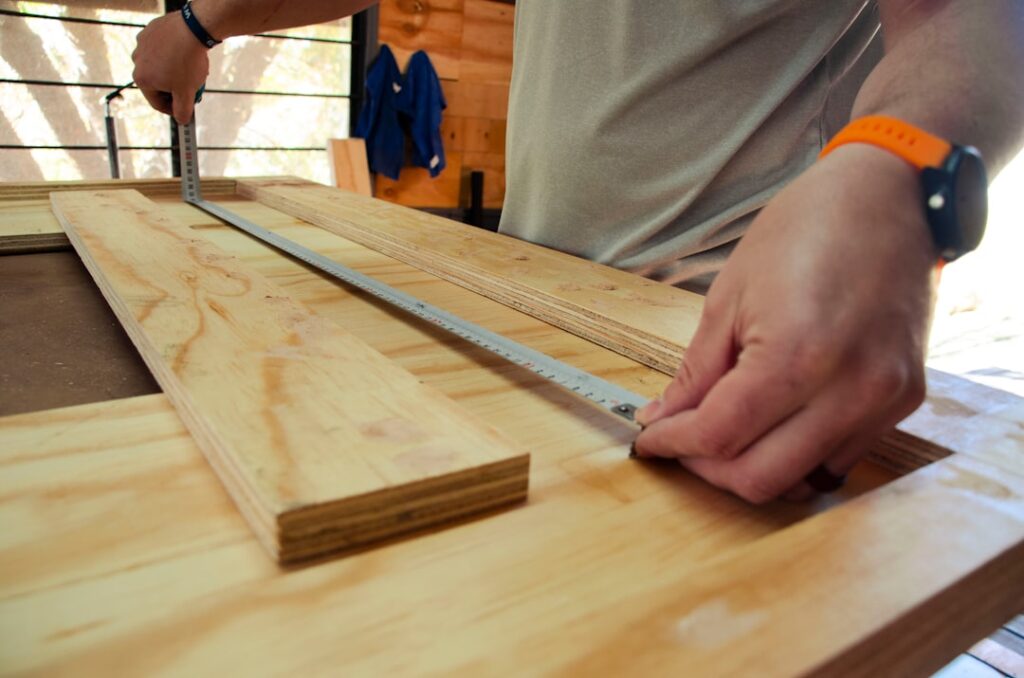
Step into a workshop where the scent of fresh timber fills the air and tools await your hands. If you’ve felt drawn to building and craftsmanship but don’t know where to start, a Certificate III in Carpentry can give you a solid foundation. This qualification offers hands-on training that aligns with real construction site demands, preparing you for various roles in the trade. You’ll learn to handle power tools safely, maintain equipment, and develop precision in measuring and cutting materials, which are daily necessities on the job. Entry into this course usually requires completion of Year 10 or an equivalent level of education. This baseline ensures students have basic skills in reading, writing, and maths before tackling more detailed carpentry tasks. If you have some experience or previous training, you might be able to speed up your progress through Recognition of Prior Learning (RPL) or credit transfers. This can make the course shorter and more focused on areas where you need improvement. English language skills are crucial. The course expects you to understand technical instructions and communicate clearly with colleagues. This isn’t just about passing tests; it’s about reading blueprints accurately and asking questions on site when plans aren’t clear. Misreading a drawing or misunderstanding safety instructions can lead to mistakes, so being comfortable with English is a practical necessity. During your studies, you’ll develop key competencies like interpreting construction drawings, calculating material quantities, and using traditional joinery techniques alongside modern power tools. For instance, you’ll learn to frame walls by aligning studs correctly and securing them in accordance with building codes. Another common task is installing doors and windows to ensure they fit perfectly and operate smoothly, skills that require patience and attention to detail. Assessments combine theory and practice. You might build a small structure from scratch, applying safety protocols and checking your work against design specifications. These projects mimic actual site conditions where accuracy and adherence to regulations can’t be compromised. Often, students find that managing timelines and cleaning up after each session are habits that reduce errors and keep the workflow steady. Choosing where to study matters. The Certificate III in Carpentry at Alliance offers experienced trainers who share insights from years on the job. The curriculum covers everything from workplace health and safety standards to sustainable material use. You’ll also learn about documentation practices, such as keeping daily work logs and how to report issues promptly, a routine part of construction work that prevents costly rework. Once qualified, career paths vary widely. Some graduates join residential construction crews, others find work in commercial fit-outs or specialise in furniture making or heritage restoration. The broad skills gained allow for flexibility and growth within the building industry. Understanding contract basics and client communication also helps when dealing directly with homeowners or project managers. If you’re ready to build a practical skill set and open doors in construction, explore carpentry courses in adelaide today. For more information about course options and enrolment processes, visit . Taking this step means learning a trade that blends hands-on work with problem solving every day. trade training resources in south australia