
Practical Considerations for Buying Spy Cameras

Imagine arriving at your office to find important documents missing. Frustrating, right? As a business owner, protecting your property can be tough without clear evidence when things go wrong. Spy cameras offer a discreet way to monitor activity and catch potential problems early. These small devices often go unnoticed, letting you gather proof in case of theft or disputes without alerting anyone. Choosing the right spy camera means understanding what’s available. Some models hide in everyday items like smoke detectors or clocks, making them almost invisible. Others connect to your smartphone, so you can watch live footage from anywhere. This is handy if you travel or manage multiple locations. Look for cameras with remote access features, so you don’t have to rely on being physically present to check on things. Fast delivery can’t be overlooked when buying spy cameras. Security issues don’t wait for weekdays or standard shipping times. Many suppliers provide next day delivery, which lets you install equipment quickly after a problem arises. Quick setup matters when you need to respond swiftly to suspicious behaviour or prevent further losses. Waiting weeks for gear only adds risk. Discretion isn’t just about the camera itself but also how it arrives. Choose sellers that provide unmarked packaging without revealing contents. This keeps your purchase private during delivery and helps avoid awkward questions from staff or neighbours. It’s a small detail that can save you hassle, especially if surveillance is sensitive or confidential. Quality makes a big difference. Cheaper models often cut corners on video clarity or motion detection, which means missing critical moments. Look for features like high-definition recording and infrared night vision to capture clear images regardless of lighting. Motion sensors that send alerts to your phone let you act fast if something unusual happens. Otherwise, you might only discover problems after the fact. Think about where you’ll place cameras based on your business type. For stores, hidden devices near cash registers catch thieves in the act and show customer interactions that might otherwise be missed. In larger offices, a networked system with several cameras covering hallways, entrances, and storage rooms works better. It’s common to review footage alongside inventory logs or employee schedules to spot discrepancies. Before buying, compare options by browsing different sources of spy cam equipment. Price differences can be significant for similar specs, and some brands offer better warranties or customer support. Reading real user reviews often reveals quirks not listed in product descriptions. Also, check return policies; faulty units happen more than you’d think. Surveillance should be part of a wider security setup. Hidden cameras alone won’t stop every threat but combined with alarms, adequate lighting, and secure locks, they create a stronger shield around your business. Regularly reviewing footage and maintaining equipment are practical habits that keep your system effective and help avoid surprises. If you want to explore more options or get advice on setting up surveillance tailored to your needs, visit hidden camera buying tips. It’s a useful resource for practical information from people who understand what works in real situations.
Schwimmkappen For Competitive Swimmers
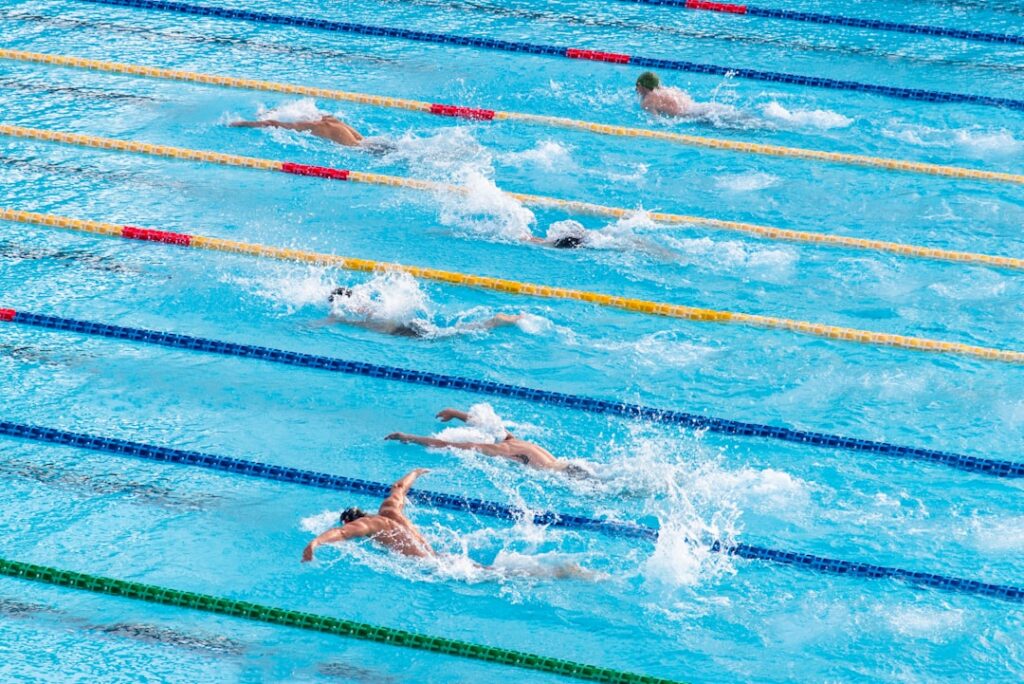
At swim meets, the right swim cap isn’t just a style choice; it can affect how a swimmer performs. Many overlook how these caps help reduce water resistance and protect hair from chlorine. Competitive swimmers often pick their caps based on the material, fit, and design, all of which have practical effects in and out of the pool. Silicone and latex are the most common materials. Silicone caps are thicker and provide a secure grip, helping to cut drag while lasting through many sessions without tearing. Latex caps are thinner and usually cheaper but tend to wear out faster and can feel tighter on the head. Swimmers who train daily might prefer silicone for durability, while those racing occasionally might opt for latex for that snug, sleek feel. Design details matter just as much as material. Some caps come with ear pockets to keep water from entering the ears, a real advantage for those who get distracted or uncomfortable when water seeps in during races. Hydrodynamic shapes also help reduce resistance, allowing swimmers to slice through water more efficiently. These small design tweaks can shave off precious seconds in competition. Team coaches often face the challenge of creating a unified look without sacrificing performance. Customized swim caps with team logos or colors boost morale and make it easier to distinguish teams at busy meets. Many teams order caps in bulk with printed designs that resist fading, which helps keep a professional appearance through seasons of use. Finding a cap that fits properly can be surprisingly tricky. A loose cap slips off or lets water in; a tight one causes headaches or leaves marks. Swimmers should try various brands and sizes, checking sizing charts carefully. Some brands recommend measuring head circumference to find the best fit. Testing caps during practice sessions helps avoid surprises on race day. Budget is always a consideration. Quality swim caps come in various price ranges, so swimmers can find options that meet their needs without overspending. Reliable caps can improve training comfort and race performance. For instance, investing in well-made silicone caps from Schwimmkappen often pays off by lasting longer and fitting better than cheaper alternatives. Choosing the right cap involves balancing personal preferences with technical features like material thickness, fit, and special design elements. Whether training or competing, a well-chosen swim cap supports focus and efficiency in the water. Swimmers often keep several caps on hand for different conditions or workouts. If you want to explore how various swim cap styles suit different environments, like open water versus indoor pools, there are helpful guides online. Staying updated on new materials and designs helps swimmers adapt their gear to changing needs and keeps them competitive in the water. For detailed options tailored to individual swimming conditions, check out swim gear recommendations for competitive swimmers.