
Custom Microphone Windshields Overview
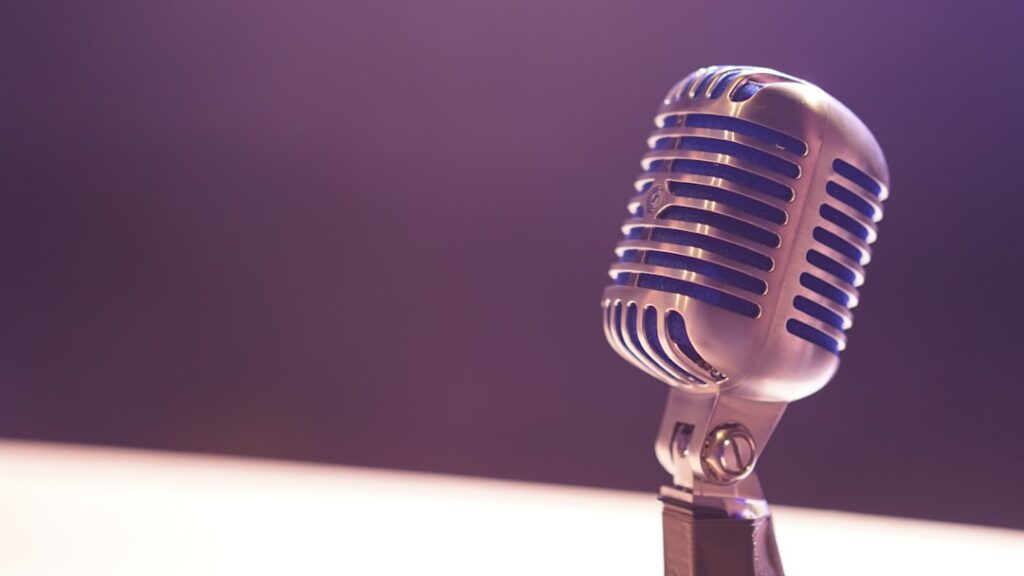
Setting up a live broadcast can be unpredictable, especially when the wind picks up just as presenters step on set. Without the right gear, wind noise quickly muddles the audio. Custom microphone windshields solve this problem by cutting down unwanted noise while doubling as a branding tool. At AFL games or Channel 7 broadcasts, these windshields help keep audio clear and the brand visible. They’re not just foam covers thrown on mics; they’re tailored solutions that protect sound quality and boost presence simultaneously. Windshields do more than block out wind. Plosive sounds, those harsh pops from certain consonants, can ruin a take. Using materials like dense foam or synthetic fur designed for microphones can tame those bursts of air. In practice, this means fewer retakes and crisper recordings. Businesses often add logos or custom designs to their windshields, turning a simple accessory into a moving billboard during interviews or events. It’s a smart way to reinforce identity without extra effort. Many assume these windshields only work outdoors, but that’s not the case. Indoor studios deal with echo and reverb that can cloud recordings. A well-chosen windshield absorbs some of those disruptive sound waves. It won’t solve every acoustic problem, but it helps produce cleaner audio. Sound engineers commonly pair these with other treatments to get the best results. Having the right windshield is part of managing studio acoustics effectively. Not all windshields are interchangeable. Different mics need different protection. Foam covers fit handheld mics perfectly and cut down wind noise during interviews. Larger fur windshields suit shotgun microphones used in film and TV because they handle harsher conditions and directional audio better. Knowing the mic type and environment guides the selection process. Technical specs like density, thickness, and fit matter more than people realize. Choosing poorly leads to compromised sound or wasted money. Colour and branding are often afterthoughts, but they shouldn’t be. Bright, bold colours catch attention in crowded settings and reinforce brand messaging on camera. Muted tones work better for corporate environments where professionalism is key. Designing windshields with logos or patterns requires testing how they appear under different lighting and camera angles. Creating mockups beforehand helps avoid surprises. It’s common practice to review digital previews carefully to ensure the final product matches expectations. Platforms offering custom microphone windshield mockups let clients see their designs in context before production starts. This step saves time and prevents costly errors by allowing adjustments early on. Clients can experiment with colours, logo placement, and styles until they find the right fit for their brand identity. This hands-on approach simplifies communication between manufacturers and customers, reducing back-and-forth emails and speeding up delivery. Custom microphone windshields aren’t just practical, they’re part of a professional setup that signals attention to detail. Investing in tailored options helps businesses avoid common issues like poor audio quality or bland visuals during broadcasts. Many production teams keep a few spare branded windshields on hand to swap out quickly if something goes wrong on location. Checking fit before an event is standard practice to avoid last-minute problems. If you want to improve your setup with personalised gear, check out branded microphone accessories.