
Secure Property Management Sites

At 11:40 p.m., a tenant reports that an unfamiliar person is testing door handles in the parking garage. The manager is home, the camera image is blurred, and the overnight maintenance worker has no role or training for confronting anyone. A security guard gives the property a defined response process. Depending on the assignment, that may involve checking entrances, walking common areas, observing vehicle activity, recording facts, and calling police or emergency services when circumstances warrant. The purpose is not to guarantee that no incident will occur. It is to identify concerns sooner, follow a consistent procedure, and leave management with a usable record. Selecting property management security guards should begin with the property’s exposure and daily routines, not a package of hours selected from a rate sheet. An apartment tower may need a lobby post during evening arrivals, elevator access checks, and coverage for a loading area. A garden community may benefit more from vehicle patrols, perimeter checks, and visits near detached garages. Managers should write the assignment before service starts. The document should identify patrol boundaries, restricted locations, authorized contacts, equipment, reporting times, and events that require immediate escalation. State licensing rules, uniform standards, and firearm restrictions must be verified for the specific assignment. Access control means deciding who may enter a building or restricted space and how that permission is confirmed. The system might use keys, electronic credentials, visitor records, intercom approval, or a staffed desk. Guards reinforce the system by checking for behaviors that a device may not explain, including tailgating, where an unauthorized person follows an approved entrant through a secured door. A practical post instruction should say whether a guard may ask for identification, call a resident, hold a door, or deny entry under site policy. Managers should also clarify how deliveries, contractors, former tenants, and emergency responders are handled, since confusion at the desk often creates avoidable delays. Suppose residents have reported packages disappearing from a shared mailroom. A guard cannot promise that every parcel will be recovered, but the assignment can target the hours and locations linked to the reports. The guard might monitor the delivery entrance, note unfamiliar access attempts, verify a contractor’s destination, and preserve the time and description of relevant activity for management or police. Camera coverage can help, yet it has limits. Poor lighting, obstructed views, system outages, and too many alerts may prevent a useful response. Managers should ask who reviews recordings, how access is controlled, and whether a report identifies the camera number and recording time rather than simply stating that video was checked. An incident report should separate observation from assumption. It should state the date, time, location, people or vehicles described, action taken, and person notified. property management security guards property site security coverage
Sports Hall Cricket Nets: A Practical Planning Guide
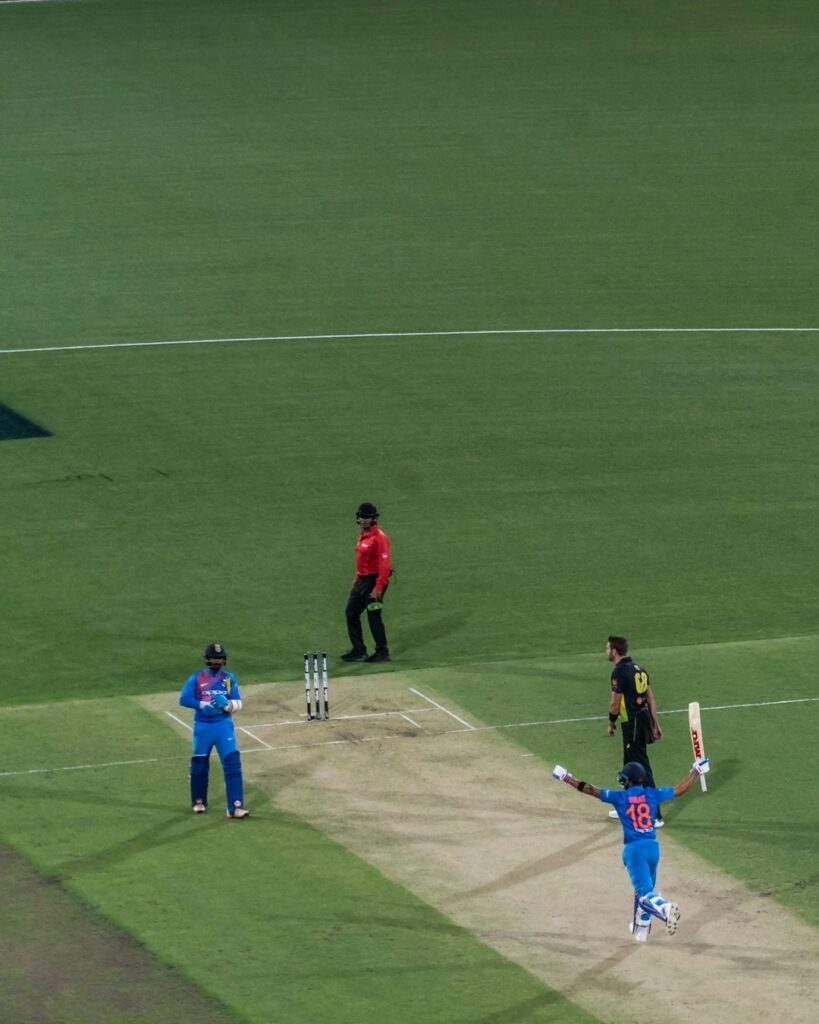
Turning a busy sports hall into a reliable cricket practice area starts with the building, not a catalogue image. Measure the unobstructed length, width, and height, then mark doors, fire exits, lighting, radiators, wall bars, scoreboards, and stored equipment. A facilities manager should also check the hall booking sheet, because a net position that works for cricket may obstruct basketball, examinations, or evening clubs. These details allow a supplier to discuss sports hall cricket nets against the actual room. Take photographs from each corner as well; they often reveal obstructions missed during a quick tape measure survey. sports hall cricket nets indoor cricket planning advice