
Motorbike Holidays: Ready to Ride?

A motorbike holiday starts with the load, not the first scenic road. Panniers that feel merely full on the stand can make the steering heavy once the bike is moving. Put dense items low and near the centre of the motorcycle, and pack soft clothing around anything that could shift. Check every fastening after a short test ride, because straps often settle under movement. Extra weight may call for more rear suspension preload, but that adjustment cannot correct poor balance. Moving a tent or spare jumper at home is much easier than repacking beside a mountain road. Plan the route by riding time, daylight and road character rather than distance alone. A seven-day North Island itinerary will demand a different rhythm from a journey running through both islands, particularly if it includes winding secondary roads. Mark fuel stops, food breaks and likely stopping places before departure, then leave some space for delays or an unplanned night. Booking each room at the edge of your endurance creates pressure to continue after concentration has dropped. A modest final riding day is often the more sensible choice. Weather needs a practical response, not just a glance at the morning forecast. Conditions can change quickly with altitude, so keep waterproof trousers, gloves and an insulating layer where they can be reached without emptying a pannier. Place phones and documents in a genuinely waterproof inner bag, not merely under the seat. In rain or strong wind, lower your speed, increase the gap to other vehicles and treat painted lines, bridge joints and metal covers with care. If the road becomes unpleasant, stopping for tea or shortening the day is a sound riding decision. Inspect the motorcycle before leaving, even if its scheduled service was recent. Check cold tyre pressures against the manufacturer’s loaded-bike guidance, then examine tread, brakes, lights, coolant, oil and visible leaks. On a chain-driven machine, measure slack at the point specified in the handbook rather than judging it by eye. Pack tools that fit the bike, a suitable puncture repair method and a phone-charging lead, while remembering that these items have limits. A warning light, damaged tyre or fluid leak deserves a safe stop and assessment, not an optimistic promise to deal with it at the next town. Cornering errors usually begin before the bend. Approach at a speed that leaves room for an unseen vehicle, gravel or a tightening turn, and finish most braking while upright. At normal road speeds, a light push on the appropriate handlebar helps initiate the turn, but counter-steering cannot rescue excessive entry speed. Look through the bend rather than fixing your gaze on the verge, and keep throttle changes smooth. On descents, use progressive engine braking alongside the brakes, especially on a loaded bike. It controls speed, but it is not a replacement for properly applied braking. Navigation should assist decisions rather than make them for you. Download the route before leaving mobile coverage and carry written checkpoints or a paper map as a fallback. Read the next section only when stopped; trying to interpret a screen while moving steals attention from the road. An app may select a narrow route that is open but unsuitable for the weather, available daylight or your experience. If you are comparing motorbike holidays, check the daily distances, riding style and practical arrangements instead of judging an itinerary by its headline scenery. Before setting off, share your route outline and expected overnight stops with someone at home, along with emergency contact details. Keep identification, booking information and recovery numbers accessible rather than buried beneath tools. Set a simple rule for changing plan: if fatigue, worsening weather, a warning light or a tyre problem appears, stop somewhere safe and reassess. A self-guided trip provides structure without removing responsibility for those choices. The right self-guided motorcycle tours leave room for independent decisions, including taking a rest day, finding shelter early or abandoning a section that no longer feels safe.
Neck Physio South Yarra: Choose Care
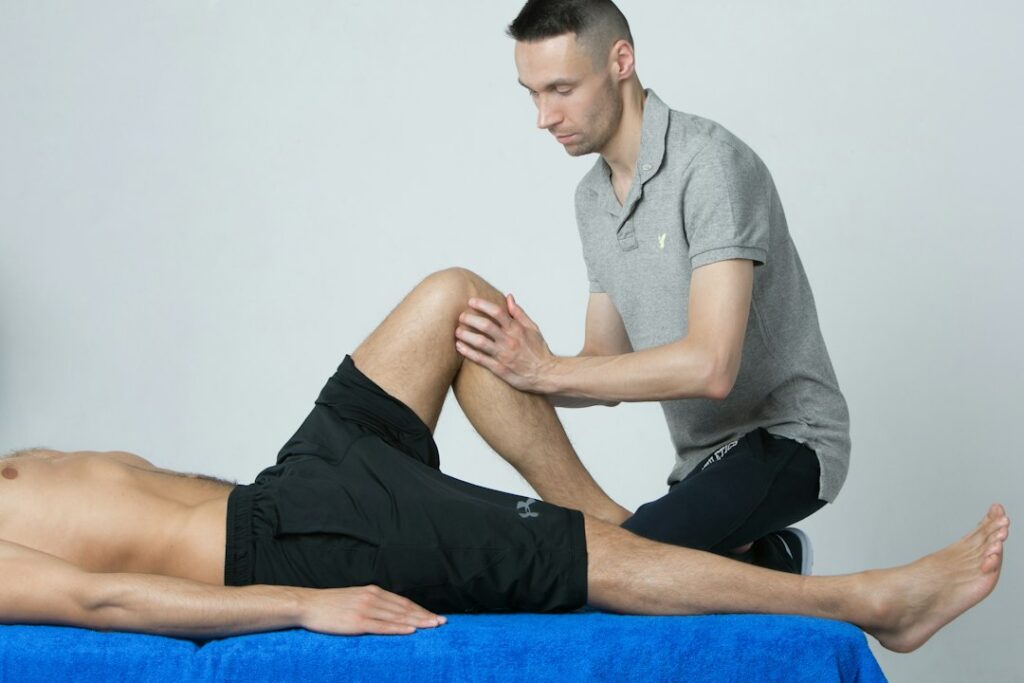
You wake with a stiff neck, turn toward the traffic, and feel a sharp pull before your shoulder can move. By lunchtime, sitting at a laptop has made it worse. Neck physio in South Yarra can be useful, but choosing a provider should involve more than finding the closest appointment. Look for someone who asks how the problem started, checks your neck and upper back, and explains what the findings mean. A clear assessment helps separate a simple movement problem from symptoms that need medical review, while giving you a practical plan for work, sleep, and exercise. A good first assessment considers the cervical spine, the seven small bones and joints that support the head, as well as muscles, nerves, and nearby areas such as the upper back. Pain does not always show its source. Referred pain means a joint or muscle in one area creates discomfort somewhere else, such as an ache near the shoulder blade caused by the neck. Radiculopathy is different: an irritated nerve root may cause pain, tingling, numbness, or weakness traveling into the arm. A careful clinician should explain which pattern seems most likely. Ask how the physiotherapist will assess you before agreeing to treatment. Useful questions include whether they will examine neck rotation, strength, sensation, reflexes, and the way your shoulders and upper back move. They should also ask about headaches, previous injuries, work demands, sleep position, and activities that aggravate symptoms. If you have severe or worsening weakness, major loss of sensation, trouble walking, fever, unexplained weight loss, or symptoms after significant trauma, seek prompt medical advice rather than relying only on a routine appointment. Treatment should match the findings and your goals. Hands-on treatment may include gentle joint movements or soft tissue work to reduce discomfort and make movement easier, but it should not be the entire plan. Exercise may target mobility, which is how freely a joint moves, or endurance and stability, which help muscles control the head and neck during sustained tasks. Load management means adjusting activities temporarily, then building them back gradually. For example, a clinician might combine short movement breaks with strengthening rather than telling a desk worker to stop using a computer. Consider a commuter who feels neck pain after long train rides and improves on weekends. Their plan might focus on changing sitting habits, taking brief movement breaks, and improving upper-back strength. Another person may develop symptoms after returning to tennis, with pain when serving and reduced neck rotation. Their care may involve modifying training volume, checking shoulder movement, and progressing sport-specific drills. These examples show why a generic stretch sheet can miss important factors. The right approach connects treatment to the activity that caused the problem and the task the person wants to resume. When comparing clinics, look for straightforward communication, a one-on-one assessment, and a willingness to revise the plan if symptoms change. You can review information about neck physio south yarra and use it as one point of comparison, while still asking practical questions before booking. Find out who will see you, how long the first visit lasts, whether exercise advice is included, and what happens if the initial approach does not help. A provider should welcome these questions instead of promising a fixed result before examining you. Your first visit should leave you knowing what may be contributing to the pain, what you can safely do today, and which signs would require further review. Progress is often judged by useful changes, such as turning your head more easily, working with fewer breaks, or returning to training without a flare-up. Follow-up care should adjust the exercises and activity level as your symptoms respond. If you prefer a clinic that explains each step, one-on-one physiotherapy care may fit your needs, but the quality of the assessment and communication should guide your decision. Choose a plan that fits both the diagnosis and your daily life.