
Commercial Builders Mildura Avoid Delays
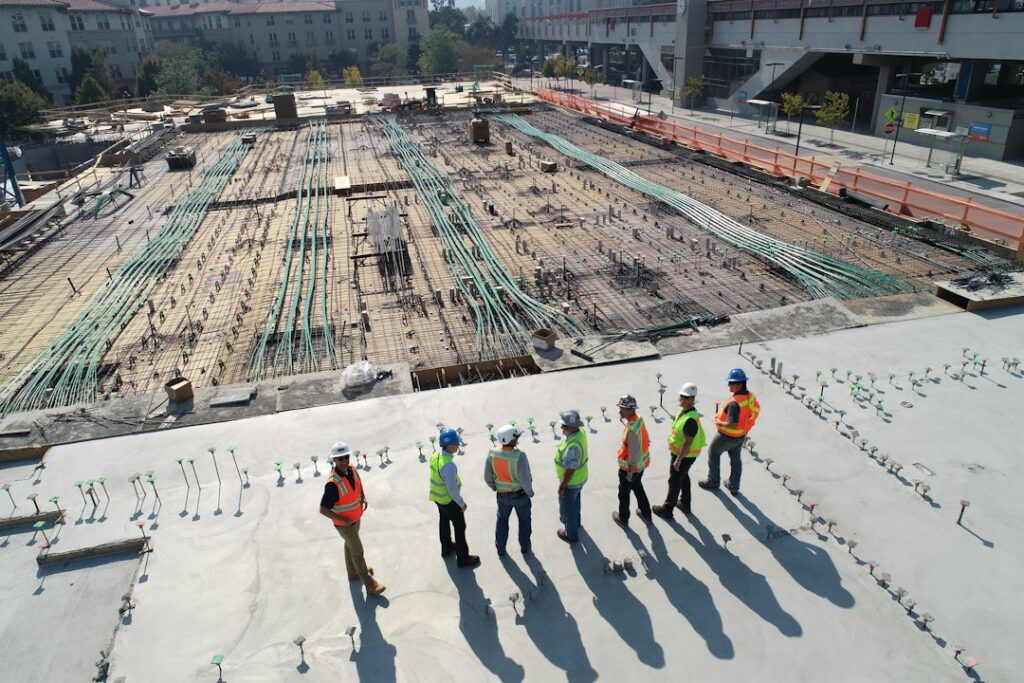
Your tenant is ready to move in, but the fit-out is still waiting on a revised drawing. That situation is common on commercial jobs in Mildura, especially when a project begins with a tight opening date and an incomplete brief. Here is what I see all the time: the delay did not start on site. It started when the scope was assumed rather than written down. A commercial builder needs to understand how the building will be used, which approvals are required, how customers and staff will move through it, and what must remain operational during the work. Early conversations with Commercial builders Mildura should test the project before detailed pricing begins. This is the feasibility stage, meaning a practical check of whether the proposed work, budget, site and programme fit together. For example, a warehouse conversion may look simple until the design needs new amenities, fire services, access changes and power upgrades. Identifying those items early does not remove every risk, but it gives the owner a more realistic brief. It also makes later discussions about cost changes clearer and less personal. Buildability is another useful concept. In plain terms, it asks whether the design can be constructed efficiently and safely with the available access, materials and trades. A drawing may show a plant room in a convenient location, while the existing structure leaves no sensible route for equipment or replacement parts. On a Mildura site, the builder may also need to plan around restricted deliveries, neighbouring businesses, dust, heat and continued public access. These are not reasons to abandon a design. They are practical constraints to resolve while changes are still relatively easy. Services coordination deserves close attention because many commercial delays occur above the ceiling or inside walls. This means checking that electrical, plumbing, mechanical, fire and communications systems have enough space and do not clash. A simple example is a new air-conditioning duct crossing a beam or competing with lighting and sprinkler runs. Coordinated drawings help the trades work from the same information. They can also reveal maintenance problems before completion, such as a filter that cannot be reached without removing finished work. Good coordination is less visible than a façade, but it has a direct effect on cost and access. Programming is more than putting a completion date on a page. A construction programme sets out the sequence of activities and shows which tasks depend on others. Concrete, framing, services, finishes and inspections cannot all happen at once. If a retail refurbishment must stay open, the programme may need staged handovers, temporary barriers and work outside trading hours. Each stage should identify decisions the owner must make, including finishes, equipment and signage. When those decisions arrive late, trades can be resequenced, but that often creates extra handling, remobilisation or waiting time. Cost control works best when the price is connected to a clear scope. Allowances, often called provisional sums, are placeholders for work that cannot yet be defined accurately. They are useful, but they are not the same as a fixed description of the finished item. Contingency is different again: it is money reserved for reasonable unknowns, such as concealed conditions discovered after opening up existing work. A careful commercial discussion explains what each figure includes, what may change it, and when approval is needed. That approach is more useful than relying on a low initial number that excludes necessary work. At handover, the practical test is whether the building can be used, maintained and understood by the people taking it over. Defects are items that do not meet the agreed quality or finish, while commissioning checks whether systems operate as intended. A completed office, clinic or industrial unit should come with accessible records, operating information and a clear list of outstanding tasks. The same discipline applies when comparing commercial project planning approaches: ask how decisions, changes, inspections and handover will be managed. Clear responsibilities throughout the job usually make the final weeks calmer and more predictable.