
Brunch Delights in Financial District

Weekend brunch in New York City’s Financial District is an experience that should feel effortless and enjoyable. The outdoor seating with the city skyline as a backdrop offers a unique charm, but many spots miss the mark when it comes to execution. One key factor is the layout of the seating area. Cramped tables or haphazard chair placement can make guests uncomfortable and discourage lingering. Successful places often create separate seating zones: intimate two-tops tucked away for couples, alongside larger communal tables where groups can gather without feeling squeezed. This kind of thoughtful zoning not only improves comfort but also encourages conversation among diners. The menu deserves as much attention as the setting. Standard brunch fare is fine, but it rarely excites anyone. Offering seasonal ingredients and local flavors adds interest and variety. For instance, a fresh heirloom tomato salad to accompany avocado toast or a breakfast burrito with unexpected spices can turn heads. Including options for common dietary needs like gluten-free or vegan choices is more than a courtesy; it broadens the customer base and shows respect for different preferences. Menu updates should be tracked carefully to avoid confusion among staff and customers, which is a surprisingly common source of frustration. Timing affects the outdoor brunch experience more than most realize. Overbooking tables during peak hours leads to long waits and unhappy patrons. Implementing a reservation system that staggers arrivals helps maintain a steady flow and prevents bottlenecks. Staff should monitor table turnover closely and communicate openly with guests about wait times. A simple habit like confirming reservations a day before can reduce no-shows and keep service running smoothly. Drink quality is often overlooked in brunch settings, especially with bottomless offers on the rise. Cheap ingredients and pre-made mixes leave a bad impression. Sourcing local juices and artisanal spirits makes a noticeable difference. A mimosa made with freshly squeezed orange juice tastes brighter and more refreshing than one with concentrate. Non-alcoholic options deserve equal care, think house-made ginger lemonades or herb-infused sparkling waters. Bartenders should be trained to prepare these consistently, ensuring every drink matches the restaurant’s standard. Location matters beyond just proximity to landmarks or parks. If a restaurant lacks natural views, creating an inviting atmosphere through design elements can compensate. Greenery like potted plants or small trees softens urban spaces, while warm lighting such as string lights or lanterns adds ambiance after sunset. Bright umbrellas protect guests from sun or light rain, making outdoor areas usable in varied weather. Attention to these details turns an ordinary sidewalk setup into a place people want to return to. Communication with customers is often underestimated but crucial. Social media platforms provide a direct line to patrons for announcing menu changes, special events, or weather-related updates to outdoor seating availability. Consistent posting builds anticipation and keeps followers informed. Staff should be prepared to answer questions about outdoor dining policies or menu specifics both online and in person, avoiding miscommunication that can sour the experience. For practical insights on managing outdoor brunch in NYC’s Financial District, check out outdoor dining nyc. For additional resources on local restaurant operations, visit . These sources offer grounded advice that reflects the realities of running a successful brunch spot in a busy urban environment. restaurant management tips
Filing Management Systems Simplify Risk Mitigation

A financial professional buried under piles of paperwork and ticking clocks faces a tough challenge: staying compliant while managing multiple secured lending deals. The paperwork alone can trip up even the most experienced, leading to errors that might cost a company its position or money. Filing management systems are designed to cut through this clutter, helping track deadlines and reduce human error during corporate due diligence. They offer automated alerts for upcoming filings, real-time updates on document status, and a clear audit trail, reducing the chances of missing crucial steps. Secured lending requires exact records, especially with UCC filings that secure a lender’s interest. Missing a filing deadline or submitting inaccurate information can void protections or cause legal headaches later. It’s not unusual for professionals to lose track of filing renewals or changes in collateral descriptions. A reliable filing system alerts users before deadlines, tracks amendments, and stores copies of filings securely. For example, a loan officer might set reminders to review all UCC statements every quarter to avoid surprises. Integration with existing software is non-negotiable. Most finance teams rely on multiple tools: accounting platforms, customer management systems, or document repositories. Filing management systems that connect with these tools eliminate double entry errors and save time hunting for data. An API that syncs client details from the CRM directly into filing documents cuts down on transcription mistakes and speeds up processing. This kind of integration also helps maintain consistent data across departments. Entity information access is vital when evaluating risks tied to business partners or merger targets. A business owner considering a merger needs to check not just the company’s legal status but also any lien records attached to it. Missing a hidden lien could mean inheriting unexpected liabilities. Filing management systems often include entity search features to pull public records quickly. It’s common practice for deal teams to cross-reference these reports with internal risk assessments to flag red flags early. Expert assistance embedded in filing systems benefits those less familiar with public records or UCC details. Understanding the nuances of lien priority or the implications of certain recorded claims isn’t straightforward. Some professionals rely on specialized support within these platforms to interpret data correctly. These experts can advise on the best filing strategies and help monitor public records for changes that might affect security interests. This guidance can prevent costly oversights like failing to refile after an amendment. Take the Ficoso UCC Portal as an example of how technology enhances filing workflows. It allows users to conduct UCC, lien, and litigation searches efficiently, pulling crucial data in moments instead of hours spent combing through paper records or disparate databases. The portal’s public records monitoring notifies users when filings expire or when new liens appear against their clients, helping maintain a current picture without manual checks. Users often comment on how this reduces the stress of last-minute rushes. Registered agent services form a key part of filing compliance often overlooked by companies focused on internal operations. A registered agent handles service of process and official correspondence on behalf of a business. Without a dependable agent, critical legal notices can go unnoticed, risking defaults or penalties. Many filing management solutions bundle registered agent services so companies have a trusted point of contact for state filings and legal documents, ensuring nothing slips through the cracks. Saving time and effort in managing filings lets professionals prioritize strategic work instead of paperwork. Automated alerts, integration with existing tools, thorough entity checks, access to expert advice, efficient search portals like Ficoso’s, and reliable registered agent services all contribute to smoother operations. Organizations embracing these systems often find they avoid common pitfalls like missed deadlines or inaccurate filings, supporting stronger compliance and better risk control. For more details about filing management systems, consider exploring what specialized services can offer your organization. If you want straightforward help with lien searches and monitoring, filing record assistance can be a practical resource to explore.
Comfortable Cribs for Peaceful Sleep

Preparing for a newborn can overwhelm even the most organized parents. One couple decided to turn their bedroom into a restful haven for their baby by choosing a next to me crib. They liked the idea of staying close without co-sleeping. But placing the crib beside their bed wasn’t the full solution. They quickly learned that setting it up properly is vital to keep their baby safe and comfortable. The mattress quality became their top concern. Many cribs come with mattresses, but not all are firm enough. Soft mattresses increase the risk of suffocation and don’t support a baby’s fragile body well. They opted for a firm mattress designed specifically for cribs, which offered better support and peace during those restless nights. They also checked that the mattress fit snugly to avoid gaps where little limbs could get trapped. Positioning the crib was trickier than expected. Initially, they placed it right next to their bedside table, but small objects occasionally fell near the baby’s sleeping space. Realizing this hazard, they moved the crib slightly away and cleared the surrounding area. They made sure there were no loose cords or reachable items that could cause harm. This attention to detail helped create a safer zone for uninterrupted sleep. Choosing the right type of sleep space brought up tough questions. They compared cribs, cots, and cot beds. Cribs work well for newborns but offer limited longevity. Cots are bigger, suitable for toddlers, but less compact. Cot beds stood out because they convert from a crib to a toddler bed, saving money and space over time. This flexibility influenced their decision and made practical sense for their growing family. They also thought about how often they’d need to check on their baby in the night. The next to me crib allowed them to reach out easily without fully getting up or disturbing their own rest. This setup helped them respond quickly if the baby fussed or needed feeding. It became part of their nighttime routine to have everything within arm’s length, a small habit that reduced stress. Adjustable features made a noticeable difference too. Being able to raise or lower the crib height meant they could lift the baby in and out without straining their backs. As the baby grew and started to move more, lowering the crib sides added safety. These practical tweaks made daily care less tiring and more manageable. They spent time reading safety guides and watching tutorial videos recommended by parenting forums. One useful tip was to double-check all assembly screws weekly since vibrations from movement can loosen them over time. They also learned it’s best to avoid bumper pads, which some people assume add comfort but can increase suffocation risks. For parents setting up their baby’s sleep area, it pays off to consider all angles: mattress firmness, crib placement, and adaptable designs that grow with your child. Taking the time to remove hazards like nearby cords or unstable furniture will help avoid late-night emergencies. For example, routinely checking that bedding is tight and free of clutter becomes a simple but effective habit. Families looking for more options might browse next to me crib selections tailored to different needs and budgets. There’s also value in exploring related products at , where you can find everything from swaddles to night lights in one place. nursery essentials online
Understanding Wireless Barcode Scanners
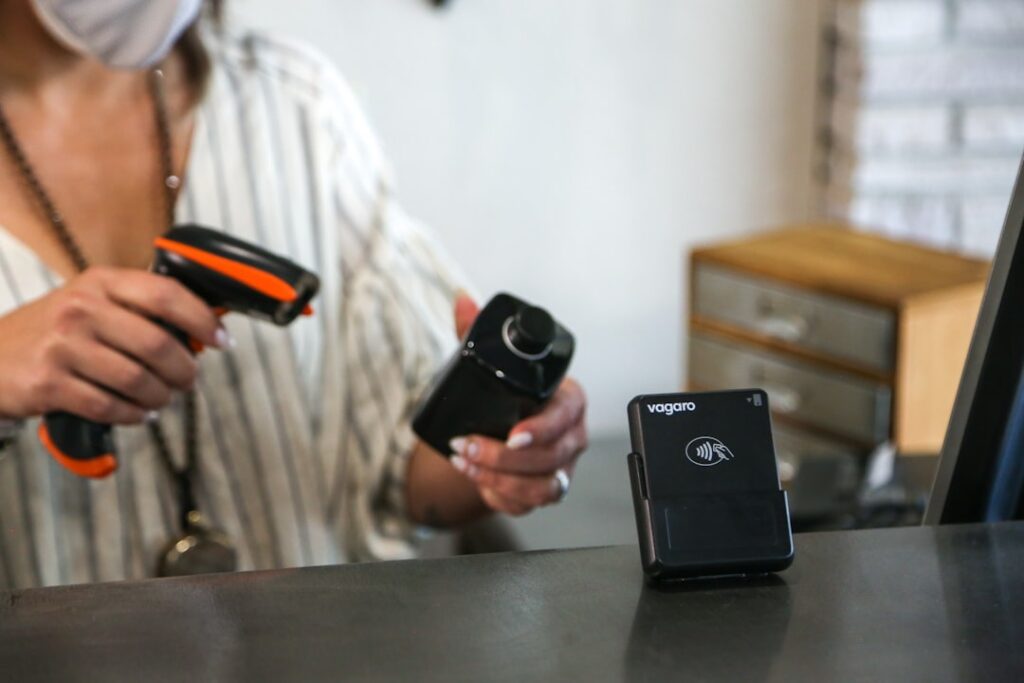
In busy hospital wards, nurses often struggle with the slow process of entering patient information and medication details by hand. Wireless barcode scanners make a tangible difference here. Instead of typing, staff can scan barcodes on wristbands or medication packages to instantly retrieve patient data. This cuts down delays, reduces mistakes, and frees up time for direct patient care. Nurses often keep a quick-reference chart nearby to confirm medication codes, preventing errors when different drugs look similar. Factories benefit just as much from wireless scanning. A floor manager might monitor inventory by scanning items as they move through the production line, updating stock counts on the fly. This reduces reliance on manual logs that are prone to errors or lagging updates. Workers often develop routines like scanning items twice or checking batch numbers against printed manifests to avoid discrepancies that could delay shipments. Not all barcode scanners do the same job. Some handle QR codes, which store more data and are common in marketing or logistics, while others focus on traditional one-dimensional barcodes found on retail products. Choosing the right type depends on the environment and the kinds of labels used. For example, the DT-90F Single Tube Reader is built for rapid scans of individual items, making it a good fit in fast-paced retail checkouts. Connectivity is another factor that shapes how wireless scanners perform. Many use Bluetooth to link with computers or tablets, giving employees freedom to move without tangled wires. This is helpful in warehouses where staff cover large areas. Some models also include onboard memory, letting them hold scanned data temporarily if a connection is lost, then sync everything later to prevent data gaps. Barcode readers aren’t restricted to staff use. Retail stores increasingly install self-service kiosks with scanners so customers can scan their own items during checkout. This approach reduces long lines during busy times and lets employees focus on other tasks. Staff often remind customers to scan each item carefully to avoid missed products, a common cause of mispriced purchases. When picking a device for public use, ease matters. The DT-80 Self-Service POS Kiosk Barcode Scanner features a straightforward interface and quick response time that help customers move through checkout without frustration. Practical details like clear visual cues and audible beeps guide users unfamiliar with scanning technology. Delivery companies face unique barcode challenges, as parcels come with labels printed on different materials and exposed to wear during transit. Mobile screen and paper 1D/2D readers must cope with smudges, creases, and varied lighting conditions. Couriers often carry backup scanners or cleaning wipes to maintain scan accuracy on the go. Investing in quality barcode scanner equipment improves operations in healthcare, manufacturing, and retail alike. Understanding device capabilities and matching them to real-world tasks streamlines workflows and cuts errors. Staying aware of technological trends such as augmented reality overlays and advanced analytics can prepare businesses for future improvements. Exploring options like barcode scanning for small business needs can offer practical advantages in a competitive market. Choosing the right device means considering factors like scan speed, connectivity, durability, and ease of use alongside everyday workflow realities.
Fine Dining Options in San Francisco
Planning a special event in San Francisco means choosing a venue that matches both your taste and the occasion. The city offers fine dining spots that go beyond great food, providing spaces that encourage genuine conversation and connection. Whether you’re organizing a quiet dinner or a bigger celebration, you’ll find options designed for private gatherings of all sizes. Many restaurants handle every detail meticulously, from seating arrangements to timing, so you don’t have to worry about last-minute surprises. It’s common for hosts to request a tasting menu in advance to avoid any awkward substitutions on the day. Birdsong stands out as a prime example of what San Francisco offers. Their private dining rooms cater to various group sizes with an eye for atmosphere and comfort. The Starling room, smaller and elegant, suits business lunches or close family dinners where privacy is key. They focus heavily on seasonal produce, which means menus change regularly. This approach ensures fresh dishes but requires early planning since availability can vary with the season. The Merlin room offers a bit more space without losing intimacy. It’s well-suited to milestone events like anniversaries or significant birthdays. Guests can expect multi-course meals, often paired expertly with wines selected to match each dish. The staff here don’t just serve food; they help tailor the menu to your preferences or event theme. A practical tip: always confirm dietary restrictions ahead of time to avoid any mix-ups during service. For large gatherings, Birdsong allows full restaurant buyouts. This option grants exclusive access and lets you customize everything from décor to entertainment. It’s a practical choice for corporate galas or weddings where control over the environment matters. Keep in mind, securing a full buyout requires booking months in advance, especially in busy seasons. Event managers often suggest putting down a deposit early to lock in dates and start coordinating logistics. Technical features matter too. Venues like Birdsong provide quality audio-visual gear for speeches or presentations. Having this onsite avoids the hassle of renting equipment and dealing with last-minute technical glitches. It’s wise to test any AV setups well before the event starts; miscommunication between planners and tech staff can cause delays that disrupt the flow. Booking procedures differ but generally require early reservations, particularly around holidays or weekends when demand spikes. Starting the process sooner rather than later gives you time to refine your menu choices and arrange special touches like custom cocktails or themed decorations. Hosts often keep a checklist for deadlines, confirming guest counts, finalizing menus, and running through service timelines, to prevent oversights that could throw off the evening. Ambiance and service style shape how guests experience the meal. Whether opting for plated courses or family-style sharing, presentation influences enjoyment significantly. Some venues excel at adapting their service to the vibe you want, whether formal or relaxed. It pays to discuss these details during your initial visit so expectations align. For more information on private dining options available in San Francisco, explore this best fine dining san francisco resource. Considering the unique dining scene here? You might want to check out intimate dining experiences san francisco for further ideas tailored to refined tastes.
Understanding Financial Advisers Today

Picture this: you’re running your business and suddenly get hit with a tax bill you didn’t expect. Your current financial plan doesn’t cover it, and panic sets in. This happens more often than you might think. A skilled financial adviser helps you prepare for surprises like this and keeps your finances on track through both steady times and upheavals. They look beyond just numbers, focusing on strategies that fit your unique situation. Financial planning isn’t just about setting budgets. It’s about creating a clear path for your money’s future. A certified financial planner acts as a guide who helps you define what you want and builds a plan tailored to those goals. That includes tax approaches that reduce what you owe, retirement plans aimed at keeping your lifestyle intact, and ways to protect your assets from unexpected setbacks. One practical step advisers take is reviewing your past tax returns to spot deductions or credits you may have missed. Retirement planning trips up many business owners. They often misjudge how much they need to save or overlook how ongoing costs might change after they stop working. Inflation can quietly erode your savings if you don’t factor it in. Advisers emphasize spreading investments across different asset types, like stocks, bonds, and real estate, to shield your portfolio from sudden drops. They also help you understand your risk tolerance so you don’t panic and sell during market dips. Checking your retirement plan annually avoids nasty surprises. Estate planning is another area that frequently gets ignored until it’s too late. Without careful preparation, heirs can face high taxes or legal hurdles when settling affairs. Advisers help structure your estate so taxes are minimized and your intentions are clear, making the transfer smoother. Practical advice often includes organizing important documents like wills and powers of attorney where family members can easily find them, preventing delays. Holland Capital Management focuses on these real concerns with tailored financial planning services. Our advisers work closely with clients to set realistic targets and craft actionable plans that adapt as situations change. Whether it’s finding ways to lower your tax burden or preparing for retirement, the goal is always practical and sustainable strategies that stick. We have offices in multiple cities, including Asheville and Atlanta, to serve clients with local insights. Each region has its own economic conditions and regulations, so understanding those differences is vital when giving advice. For example, knowing state-specific tax breaks or retirement rules can make a significant difference to your plan’s effectiveness. Local advisers also keep an eye on community trends that impact business owners directly. If you want to explore how we can assist with your financial goals, contact our main office anytime. We also offer help through our Winter Park location for those who want a more personal approach nearby. Wherever you are, we make sure support is available so you can make well-informed decisions about your money. For clients interested in area-specific details, we provide quick links for cities like Athens, Augusta, and Charleston. Understanding the local market dynamics gives you an edge in planning and helps avoid common pitfalls that others miss. Ready to take control of your finances? Speak with a financial adviser today. The right guidance can turn uncertainty into confidence, letting you focus on growing your business and enjoying life without constant worry. Learn more about our approach by visiting . state tax advice resources
Ways to find company financial information

Before committing to a partnership or buying another company, digging into financial records is non-negotiable. For many business owners, financial statements and official disclosures can look like a foreign language. Yet knowing where to locate trustworthy financial data is key to avoiding costly mistakes. Small businesses often think they don’t need to share much information, but if they want loans or investors, some disclosures become necessary. It’s not just a big-company game. A lot of people assume all financial details are free online. That’s rarely true. Some public databases and news sites offer pieces of the puzzle, but in-depth documents like annual reports or filings with regulators often require subscriptions or direct requests. Publicly traded companies must file with the Securities and Exchange Commission (SEC), and those filings are accessible for free if you know where to look. Understanding the main types of financial documents helps make sense of the numbers. Balance sheets show what the company owns and owes at a moment in time. Income statements reveal profits and losses over months or years. Cash flow statements track how money moves in and out, showing if the company can cover bills without issues. Getting comfortable with these basics lets you spot warning signs or opportunities more clearly. It’s easy to miss the value of comparing one company’s numbers with others in the same industry. A single set of figures doesn’t tell the whole story. Checking ratios like profit margins or return on equity against industry averages can reveal if a business is genuinely strong or just looks good on paper. This kind of side-by-side analysis often spots risks that raw numbers alone won’t show. Specialized platforms can speed up research by pulling together info from different places. Using services like find company financial information lets you access detailed reports without hunting through multiple websites. These tools often present data in an easy-to-understand format, saving time and reducing errors caused by juggling too many sources. Talking to people within the industry adds another layer beyond numbers. Suppliers, former employees, or peers might share stories about a company’s financial habits or reliability that you won’t find in reports. These conversations sometimes reveal cash flow issues or management problems that don’t show up on paper but could affect your decision. Regulations around financial disclosures can shift, so staying updated is smart. New rules might change what companies have to report and when, affecting how much information you can get. Checking official announcements or subscribing to updates from regulatory bodies helps you stay informed about these changes. When reviewing documents, don’t overlook smaller details like footnotes or auditor comments. They often contain crucial clarifications or warnings that affect interpretation. Also, keep a checklist of necessary documents to avoid missing anything important during due diligence. Many owners find that assembling all relevant papers early cuts down on back-and-forth later. If you want practical help accessing accurate data for your deals or partnerships, consider visiting business financial data sources. Having reliable information at hand means making decisions based on facts, not guesses.
Planning Events at a Restaurant in San Francisco
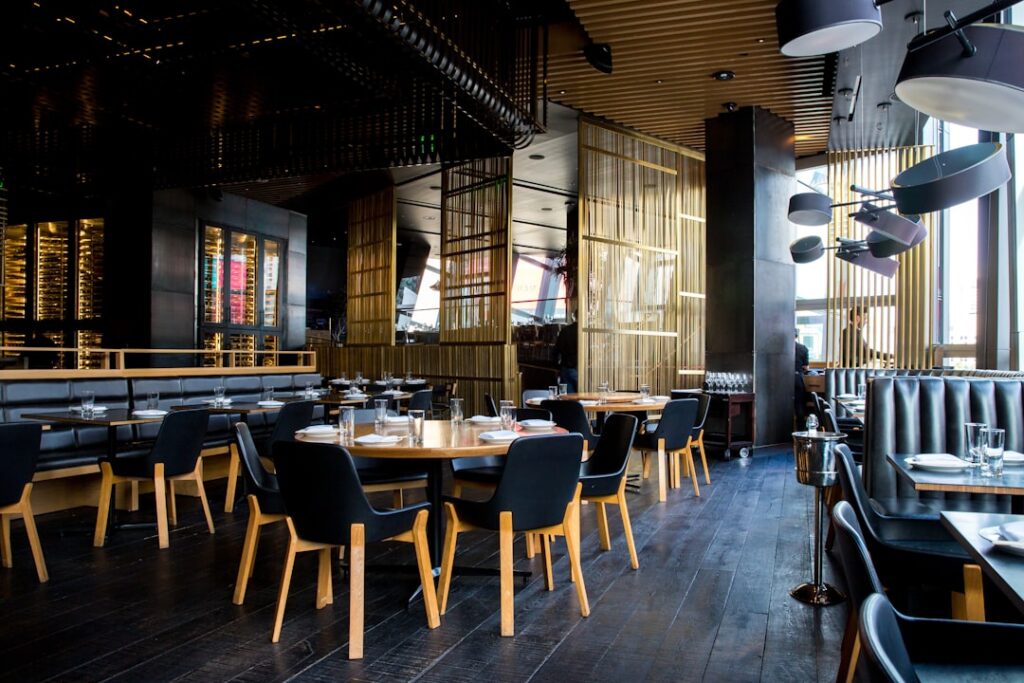
Organizing an event in San Francisco can quickly become overwhelming if you don’t know what to look for. Whether you’re arranging a family celebration or a business meeting, a restaurant with private dining can offer the right atmosphere and service. The key is understanding the spaces available and their practical uses. Birdsong, a well-regarded spot in the city, offers several private rooms tailored to different needs. For smaller groups, the Starling room provides an intimate setting that encourages conversation and connection without distractions. It’s a solid choice for birthday dinners or focused business discussions. On the other hand, the Merlin room handles larger gatherings well. It’s flexible enough to be rearranged for presentations, seated dinners, or open mingling spaces. This adaptability makes it suitable for everything from wedding receptions to corporate networking events. Some events require more than just a room, they need the entire venue. Birdsong offers the option to buy out the whole restaurant, giving you exclusive use of the space. This is especially useful if your gathering demands privacy, like sensitive business meetings or celebrity parties. When you control the whole venue, you can customize the menu and atmosphere without compromise. Logistics matter too. San Francisco’s tight streets and scarce parking can frustrate guests, so consider venues near public transit or those offering valet parking. It’s not unusual for hosts to arrange group rideshares or provide detailed directions to ease arrival hiccups. Catering is another piece that can’t be overlooked. Many restaurants now offer menus that can be adjusted for dietary needs, seasonal ingredients, or specific themes. Bringing up menu preferences early avoids last-minute surprises and ensures all guests leave satisfied. Communication with the venue staff is often the difference between a smooth event and a stressful one. Staff can advise on what setups work best and help align your vision with their capabilities. For more details on private dining options, visit restaurant in san francisco ca. Planning ahead also means reviewing contracts carefully, note cancellation policies and deposit deadlines to avoid unexpected costs. To explore venue possibilities further, check out . event hosting options in san francisco
Brunch in Financial District NYC

Sunday mornings in the Financial District mean busy brunch spots filled with the smell of fresh coffee, bacon sizzling on the griddle, and warm pastries coming out of the oven. If you show up without a reservation, expect to wait. It’s common at popular places where weekend crowds pack the tables early. A quick call or online check to see if reservations are accepted saves you from standing around hungry and frustrated. Peak hours often require planning ahead. Menus here blend classic brunch staples with creative twists. You might find eggs Benedict paired with smoked salmon or pancakes piled high with fresh, seasonal fruit. Some spots advertise bottomless brunches, serving unlimited drinks alongside food. But keep an eye on reviews, some venues cut corners when busy, offering weak cocktails or rushed food. Reading recent customer feedback can help you avoid places that don’t hold up when packed. Location matters. Some restaurants sit close to subway stops or near landmarks, making them convenient for locals and visitors alike. The Financial District has rooftop options with views of the skyline, but not all take advantage of their settings. Outdoor seating may be limited, or windows positioned awkwardly. The best spots combine good food with a pleasant atmosphere that complements the experience. Brunch hours vary widely. Some open late morning and serve straight through lunch, while others split breakfast and lunch menus with different times. Checking exact hours before heading out prevents disappointment if kitchens close early or switch menus unexpectedly. Holiday schedules can also differ, so confirming ahead is wise. If cocktails are part of your plan, don’t assume bar service matches kitchen hours. Many brunch bars have separate opening times or limited drink menus during certain periods. A well-curated cocktail list can elevate your meal, but some places stick to basic drinks without much skill. Look for venues highlighting their mixologists when a strong brunch drink matters to you. Efficiency in the kitchen and staff professionalism shape your overall experience. A trained team keeps orders moving and plates arriving hot and well-presented. Good servers notice when you need refills or extra napkins without asking twice. At crowded spots, waits can stretch longer, but disorganized service is a red flag. If the staff seems overwhelmed consistently, it’s often better to try somewhere else nearby. Brunch in the Financial District shows a broad range of styles. Some restaurants focus on local produce and seasonal ingredients, changing menus regularly to reflect what’s fresh. Others rely on tried-and-true favorites that keep regulars coming back. Finding what suits your taste, whether it’s adventurous or familiar, makes your outings more rewarding. The brunch scene can feel overwhelming with so many options and details. Staying a step ahead by booking ahead, checking hours, and reading reviews sharpens your chances for a solid meal and smooth service. If you want ideas tailored to weekend plans, explore best brunch nyc for a curated selection. When planning your next visit, consider also checking financial district dining guide for more local recommendations. That way, you’ll have options ready if your first choice is full or underwhelming.
Outdoor Kitchen for Better Living

Imagine planning a summer barbecue only to have the weather turn bad, forcing you to retreat indoors. Suddenly, your cramped kitchen feels inadequate, lacking space and the right equipment to prepare an outdoor-style meal. This situation could be avoided with a properly designed outdoor kitchen. A well-planned outdoor kitchen extends your living space and makes cooking outside practical and enjoyable, letting you entertain without feeling trapped inside. One major oversight is poor ventilation. Without good airflow, smoke from grills or smokers can linger, making the area unpleasant and potentially unsafe. If you use a gas grill, install a vent hood or a fan system to channel smoke away from guests. This reduces discomfort and lowers the chance of carbon monoxide buildup, which can be dangerous if ignored. Choosing the right materials is another detail often missed. Many pick surfaces for their looks rather than durability. For example, natural stone counters might be beautiful but tend to absorb heat, becoming too hot to touch on sunny days. Opt for heat-resistant materials like concrete or stainless steel that stay cooler and are easier to clean. This keeps your workspace comfortable and low-maintenance throughout the year. Power supply is frequently underestimated. Running multiple appliances simultaneously can overload circuits if the kitchen isn’t wired correctly. A dedicated electrical line with sufficient outlets is necessary, especially when you add electric smokers, pellet grills, or refrigeration units. Always hire a licensed electrician who understands outdoor installations to ensure safety and compliance with electrical codes. Storage demands a different approach outdoors. Weatherproof cabinets and drawers protect utensils and cookware from moisture and pests. Without this, items can rust or get damaged quickly. Adding a built-in fridge is a game changer, keeping ingredients fresh and beverages chilled without constant indoor trips. It’s a small convenience that improves workflow and guest experience. Lighting often gets left out until late in the project, but it’s critical for usability after dark. Layered lighting works best: bright task lights over cooking zones and softer ambient lights over dining areas create atmosphere and functionality. Consider adjustable fixtures or dimmers to tailor brightness to different occasions. Proper lighting prevents accidents and encourages longer gatherings. If you want to avoid common pitfalls like poor planning or unsuitable materials, seeking advice from professionals who focus on outdoor kitchens can help tailor designs for your specific space. Whether deciding between wood or gas grilling options or selecting decking materials that withstand weather fluctuations, expert input can save time and money. Planning an outdoor kitchen requires attention to practical details: ventilation systems, durable surfaces, reliable power sources, secure storage, and effective lighting all matter. These elements help create a cooking area that fits your lifestyle and extends your home’s entertaining potential without frustration. For more ideas on designing your perfect outdoor kitchen, check out resources that cover layout and practical features in depth. If you want advice tailored to your setup or have questions about specific equipment, don’t hesitate to reach out for . outdoor cooking guidance