
Organizing a military influencers conference means paying close attention to details that outsiders might overlook. Start with the event’s themes, pick topics that genuinely matter to the audience, such as leadership in service or veteran entrepreneurship. Bringing in speakers who have lived those experiences adds credibility and connection. Workshops led by veterans aren’t just informative; they create space for sharing stories and practical skills, which attendees remember long after the event ends.
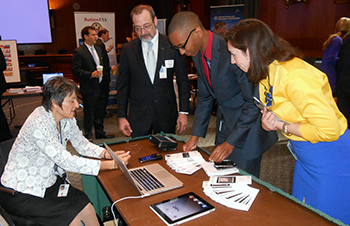
The agenda should balance discussion with interaction. Panel sessions about navigating civilian careers or mental health resources can spark meaningful conversations. Include ample networking time because informal connections often lead to stronger bonds than formal presentations. Choosing the right venue is essential too. Accessibility for disabled veterans, family-friendly spaces, and quiet areas for reflection can make a big difference in comfort and attendance.
Technology also has its role. Offering live streams for those unable to travel keeps your reach wide. Interactive apps that let attendees plan their schedules, ask questions during sessions, or connect with others before and after the event add layers of engagement. In my experience, many planners overlook the importance of testing these technologies well ahead of time, leading to avoidable glitches.
Collaboration with veteran organizations can boost your event’s impact and credibility. Local veteran service groups often have established trust within the community and can assist with promotion or provide speakers. These partnerships sometimes open doors to sponsorships that help cover expenses and enhance the event experience. It’s worth scheduling face-to-face meetings with these groups early to align goals and expectations.
Effective marketing should speak directly to military audiences, using language and channels they trust. Social media groups, military family newsletters, and veteran-focused publications are better bets than broad-based advertising. Pay attention to common miscommunications, such as unclear eligibility criteria or registration steps, these can deter participation. Providing a dedicated contact person for questions helps avoid confusion and last-minute cancellations.
Keeping up with trends in veteran events means connecting with other planners who specialize in this space. Sharing lessons learned from past conferences can prevent repeating mistakes. There are resources online focused on military-centric gatherings where you can find tips on everything from catering preferences to security protocols. For example, exploring military influencers conference options may spark ideas you hadn’t considered.
Communication before and after the event is equally critical. Sending reminders with logistical details reduces no-shows. Post-event surveys capture what worked and what didn’t, giving you actionable feedback for improvement. Social media follow-ups keep the conversation going and help build a community around your events. In practice, dedicating time to respond personally to attendee comments builds trust and encourages future participation.
Applying these approaches will help you create an event that respects and connects with the military community on a meaningful level. Remember, successful planning is about more than logistics, it’s about cultivating relationships that honor service and support ongoing engagement. To explore additional strategies tailored to veterans, visit veteran event planning resources.