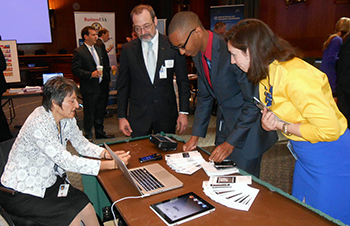

Booking isn’t just about picking a date. Event venue management includes detailed planning that covers everything from coordinating deliveries to finalizing floor plans. If a couple books your venue for their wedding, the manager helps coordinate caterers, photographers, and decorators, ensuring all vendors know when and where to arrive. They often prepare checklists and timelines to keep everyone on track, reducing last-minute chaos.
Site visits are a turning point in securing bookings. When potential clients tour your space, the manager acts as a guide, highlighting the venue’s strengths and answering questions on the spot. Simple things like having printed brochures or a frequently asked questions sheet ready can make a big difference. It’s not unusual for clients to compare several venues before deciding; a confident walkthrough can tip the scales in your favor.
Managing enquiries effectively involves more than just responding fast. Tracking client preferences through a CRM or spreadsheet reveals trends, like popular event types or preferred room setups. This data allows you to adjust your offerings or marketing efforts to better match demand. For example, if outdoor ceremonies are rising in popularity, you might invest in better tenting or lighting options.
Experience counts in this line of work. Professionals who’ve managed hundreds of events develop an instinct for spotting potential problems early. They know how to handle issues like sudden weather changes that could disrupt outdoor gatherings or last-minute vendor cancellations. Having backup plans for AV equipment or catering can save an event from falling apart.
Good venue managers also handle the logistics on event day. They coordinate with caterers unloading deliveries, ensure decorators follow the agreed design, and keep entertainment on schedule. A common hiccup is miscommunication about setup times, managers often confirm these details in writing days before the event to avoid confusion.
The role extends beyond logistics to creating an environment where clients feel supported. When they see your team is reliable and responsive, they trust you more and often spread the word about their positive experience. Word-of-mouth remains one of the strongest drivers of bookings for many venues.
Running an event space comes with unpredictable challenges. Bringing in an experienced management team means fewer surprises and more control over outcomes. Whether you’re just starting out or upgrading your current system, expert help lets you focus on what matters: offering a great space and memorable events.
For more detailed guidance on managing your venue effectively, visit event space planning advice. This resource covers practical steps and tips tailored to venue owners looking to streamline their operations and improve client satisfaction.