
Event support is not reserved for large launches with custom stages and elaborate entertainment. A neighborhood opening may depend on a warm welcome, sensible guest pacing, and staff who know how to answer basic questions. A weekend pop-up can require just as much preparation because stock, storage, staffing, visitor flow, accessibility, cleaning, and pack-down all need attention. The production plan should match the purpose and duration of the event. It may include sound, lighting, furniture, signage, power, delivery windows, and a contact sheet for everyone expected on site.
Creative ambition becomes more useful when it is tested against practical conditions early. A brand activation could involve a demonstration, an interactive display, a workshop, or a cultural program, but the idea still has to suit the audience, site, budget, and available time. A clear brief states the intended response, event dates, location, brand restrictions, audience profile, and measures of success. Teams at event management companies can then check sightlines, queue space, staffing needs, power access, and installation time before a concept is presented as a finished answer.
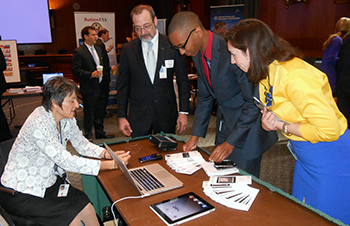
Photographs of an impressive room rarely tell the whole story. Guests remember whether the invitation explained what to expect, whether arrival felt orderly, and whether they could find the registration desk without asking three people for directions. For a skincare launch, the guest journey might include timed arrivals, a short product explanation, demonstration stations, comfortable conversation areas, and a follow-up message sent after the event. Someone should test the route as a guest would, including coat drop, toilets, seating, dietary requests, accessibility, and the point where visitors leave with the product information.
A venue is not a blank box. Its access hours, loading route, ceiling height, noise rules, fire procedures, power supply, supplier restrictions, and furniture inventory can shape the event before design work begins. A site visit should include photographs of the service entrance and a check of where cases can be stored during the program. For a charity reception, the plan may call for an unobtrusive registration point, an accessible path, a compact stage, donation information, and a reliable way to cue presenters. Good brand activation planning connects the intended feeling with the physical conditions that make it possible.
Guest numbers influence spending, but they do not determine the budget by themselves. Venue type, opening hours, staffing, catering format, entertainment, fabrication, technical equipment, transport, insurance, and installation complexity can all shift the figure. A working budget separates confirmed supplier costs from allowances and identifies taxes, delivery charges, overtime exposure, and contingency. Comparing two scenarios is often more useful than arguing over one total. A daytime pop-up and an evening launch may serve the same objective while placing money in very different areas, such as staffing, lighting, food service, or temporary structures.
Measurement should be agreed before invitations go out. Attendance may matter, but a community activation could also track qualified conversations, registrations, content sharing, product trials, or the quality of feedback collected by staff. A private dinner may be better assessed through guest satisfaction, follow-up meetings, and the strength of relationships created. These measures should inform the experience rather than turn every conversation into a sales pitch. A simple post-event report can compare the target with the result, record recurring questions, and note which parts of the schedule created friction for guests or staff.
On the event day, preparation is often visible in small details. The production lead may keep a printed running order beside the radio, while the venue manager checks delivery times and the registration team marks late arrivals on the guest list. A ten-minute briefing can confirm emergency contacts, presenter cues, dietary information, photography boundaries, and who has authority to pause a session. Afterward, supplier invoices, attendance records, feedback, and incident notes should be gathered while memories are fresh. That practical record gives the brand a clearer basis for its next event than a gallery of attractive room photographs alone.